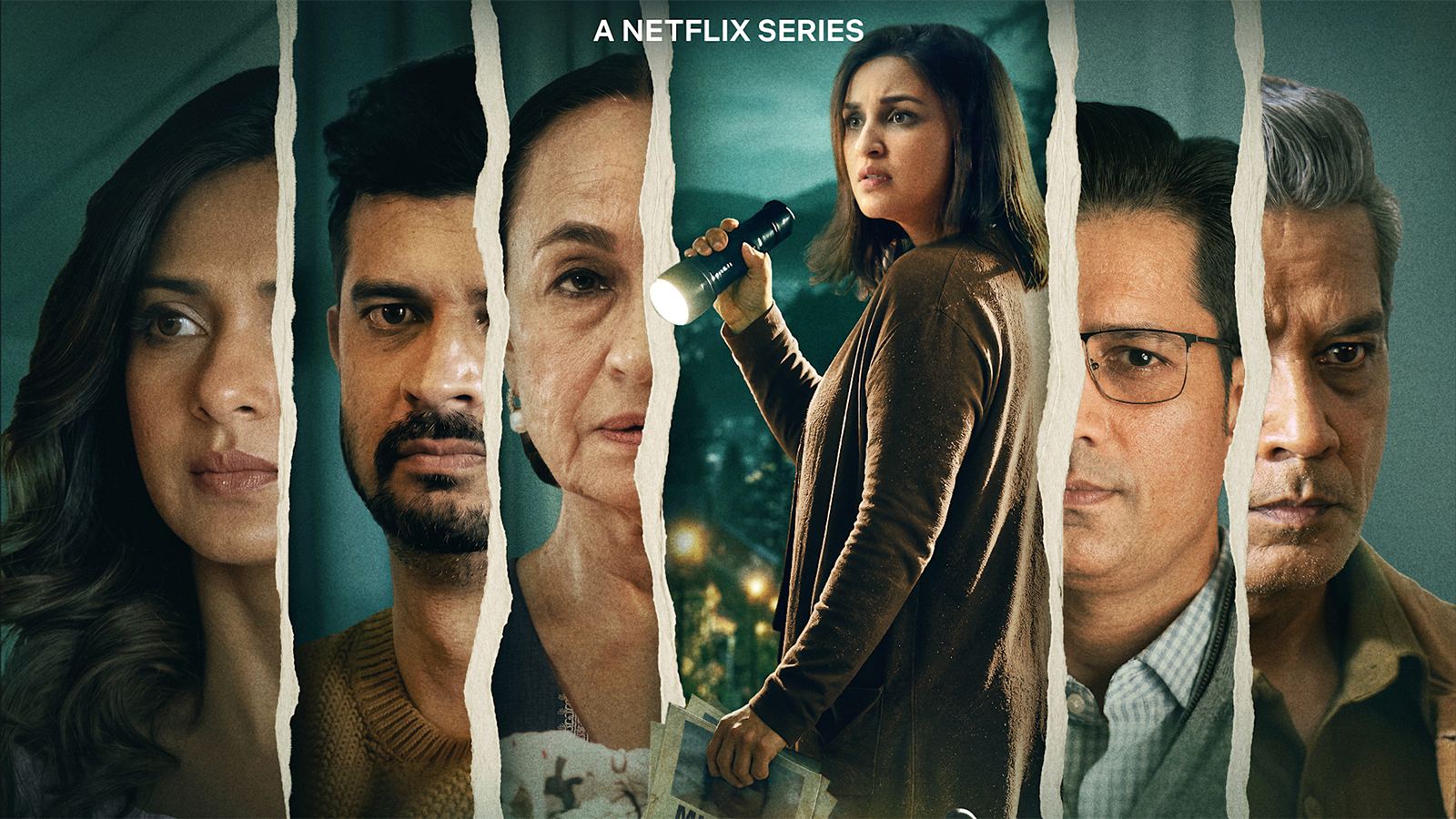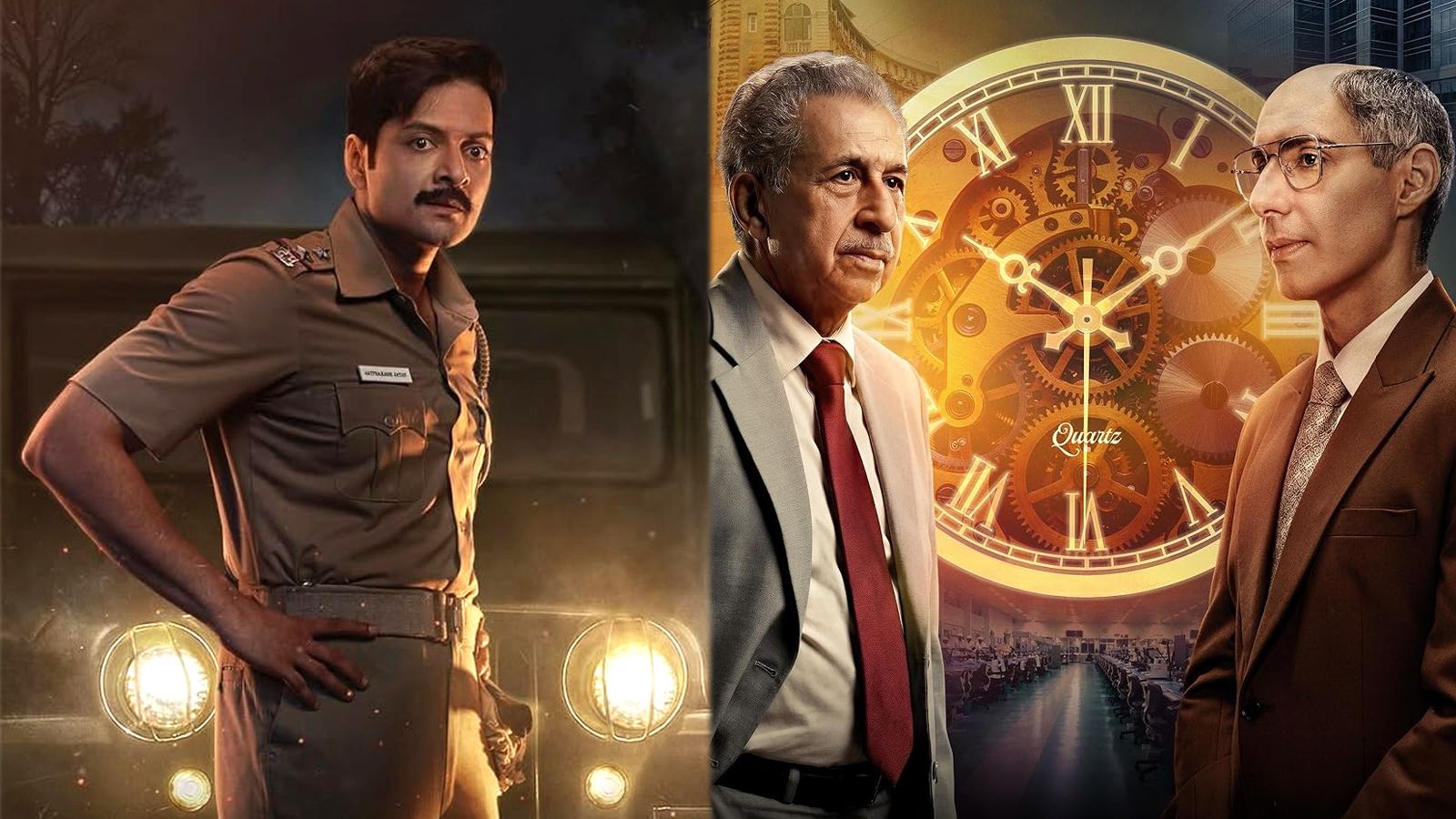
Real-life stories continue to inspire web series and films because audiences often connect more strongly with narratives based on actual events. However, that trust can be challenged when creators alter facts for dramatic impact. Recent releases such as Raakh and Made in India: A Titan Story highlight two very different approaches to adapting real events.
Raakh is inspired by the 1978 Ranga-Billa case, which involved the kidnapping and murder of Delhi siblings Geeta and Sanjay Chopra. The series retains key elements of the incident, including the teenagers’ journey to All India Radio, their encounter with strangers, and the tragic crime that followed. These details keep the foundation of the real story intact.
The series also makes it clear that it is a fictionalised adaptation. Names are changed and additional subplots are introduced to support the narrative. While such creative changes are common in adaptations, the biggest deviation arrives in the final episode, where the storyline moves away from the documented historical record.
In reality, Ranga and Billa were arrested, tried, and executed in Tihar Jail in 1982. Raakh, however, presents an alternative conclusion in which a police officer tracks down the killers and brings them before a court where a judge delivers the sentence. The series does not include any reference to the actual execution that became a significant part of the case’s history.
Made in India: A Titan Story takes a different route. The series follows Titan’s growth in 1980s Bombay through the journeys of Xerxes Desai and JRD Tata. Adapted from Vinay Kamath’s book Titan: Inside India’s Most Successful Consumer Brand, the show uses dramatised scenes while remaining largely faithful to the broader historical events.
The series condenses timelines and adds dramatic elements to boardroom discussions. It also uses retro Mumbai visuals to recreate the era. Some viewers have criticised its polished corporate image and simplified portrayal of events, but these are familiar characteristics of many corporate biographical dramas.
Importantly, the major milestones remain unchanged. Titan did challenge a smuggler-dominated watch market, navigate bureaucratic obstacles, and establish itself as a leading national brand through quartz watches and innovative design. The show does not reverse key outcomes or rewrite major historical developments.
The distinction between these approaches is significant. Most viewers do not compare every scene with historical records while watching. When an adaptation changes a major outcome, it can influence public memory, especially among younger audiences unfamiliar with the original events.
A fictional ending such as the one seen in Raakh may eventually replace real history in the minds of some viewers. When storytelling fills historical gaps with dramatic conclusions, it can create a version of justice that never actually occurred. That raises important questions about responsibility in adaptations based on true events.