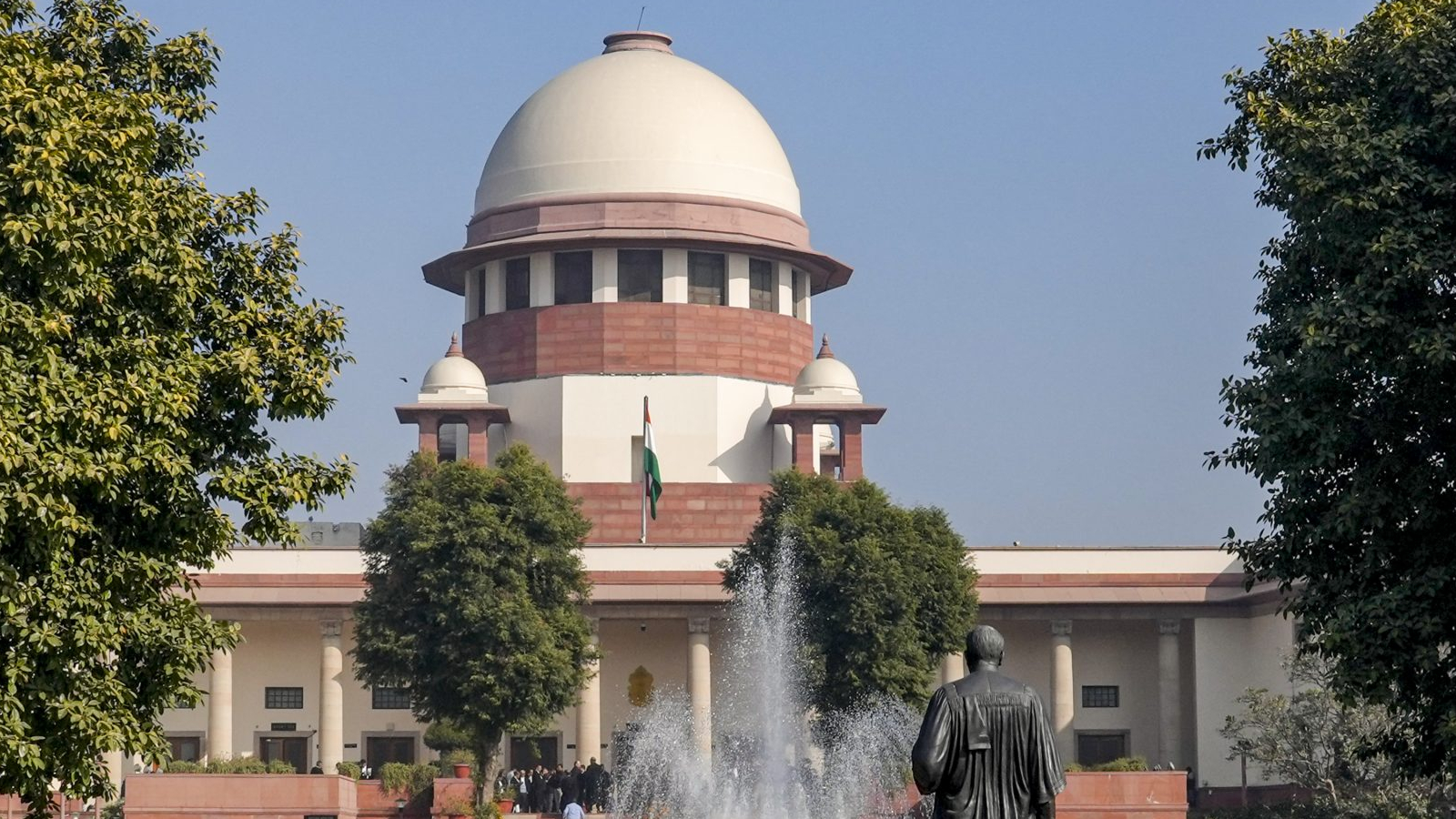
The Delhi High Court has officially brought a definitive end to a high-profile, sixteen-year-old legal battle by upholding a three-month prison sentence for veteran Bollywood actor Rajpal Yadav.
Presiding over the case, Justice Swarana Kanta Sharma delivered the final verdict on a batch of criminal revision petitions filed by the actor.
These petitions sought to overturn a prior trial court judgment that convicted him under Section 138 of the Negotiable Instruments Act for dishonouring multiple cheques.
By dismissing the actor’s appeals and confirming the three-month imprisonment term, the High Court has solidified the legal mandates surrounding corporate financial accountability.
The roots of the intense legal dispute trace back to 2010, when Rajpal Yadav secured a ₹5 crore commercial loan from financial firm M/s Murli Projects Pvt. Ltd. to fund his directorial debut film, Ata Pata Laapata.
Due to missed deadlines, accumulated interest, and subsequent payment defaults, the outstanding liability escalated significantly over the following decade.
Although the judiciary extended considerable leniency across multiple hearings, frequently granting interim suspensions of his sentence to facilitate an out-of-court settlement, the negotiation tracks ultimately collapsed.
In the final phase of the proceedings, the actor formally declined a ₹6 crore full-and-final settlement proposal structured by the court, citing severe personal financial distress and the forced liquidation of his assets.
While the defense argued for further extensions based on the fact that the actor had paid approximately ₹4.25 crore in irregular instalments over the years, the High Court maintained a strict stance on systemic compliance.
The bench noted that repeated breaches of explicit financial undertakings made to the court could no longer be overlooked, making the three-month jail term unavoidable.
By delivering this decisive ruling, the Delhi High Court has closed the book on a heavily delayed litigation chapter, reinforcing the principle that personal financial hardships cannot bypass statutory obligations when commercial agreements are compromised.