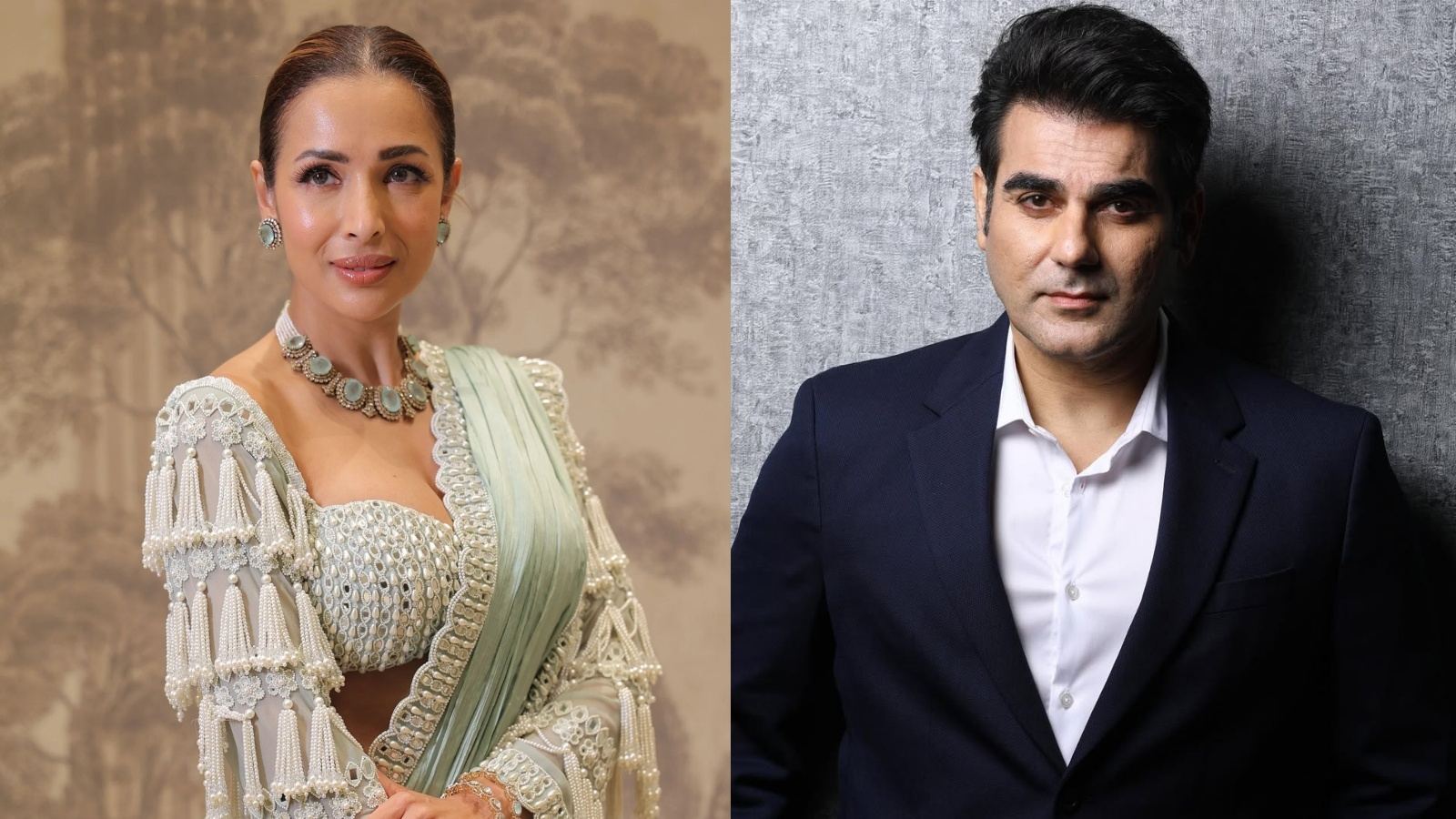
Arbaaz Khan’s creative decisions during Dabangg have come under the spotlight once again, following director Abhinav Kashyap’s recent comments about the iconic item number Munni Badnaam.
According to Kashyap, Arbaaz Khan was initially reluctant to cast his then-wife Malaika Arora in the song. He reportedly felt that the track did not align with her image at the time.
However, Abhinav Kashyap believed Malaika was the perfect fit. He insisted that her presence would bring the right energy and appeal needed for the number.
When Munni Badnaam released in 2010, it became an instant chartbuster. The song helped Dabangg become a box-office sensation and significantly elevated Malaika Arora’s career.
Kashyap’s comments also shed light on a common issue in Bollywood the clash between creative vision, branding, and personal relationships.
In this case, the hesitation didn’t come from the director, but from Arbaaz Khan. It reflects how decisions in the industry are often influenced by personal concerns and perceptions of celebrity image.
Malaika’s powerful performance in the song made her one of the top item performers in the industry. Yet, it also highlights how women in Bollywood are often judged more harshly for bold roles.
Male actors are often praised for taking on flamboyant or massy characters, while female performers face added scrutiny. This imbalance reflects the gendered lens through which Bollywood often operates.
Looking back, Arbaaz Khan’s concern whether protective or possessive seems misplaced. The song added timeless value not only to Dabangg, but also to Malaika Arora’s legacy.
Abhinav Kashyap’s revelations serve as a reminder of the constant balancing act in Bollywood between personal boundaries and professional risk-taking.