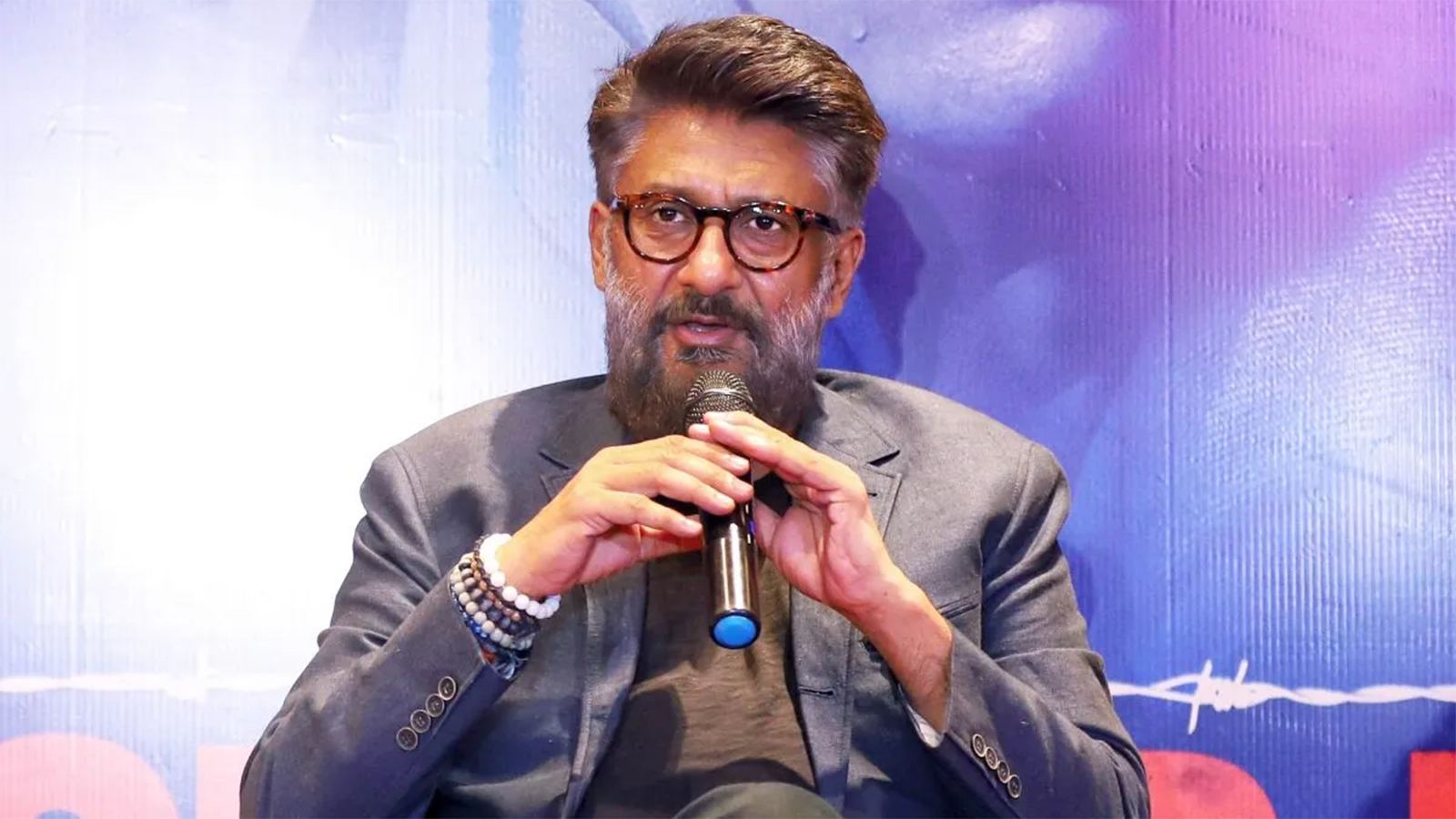
Filmmaker Vivek Agnihotri recently shared an essay on his Substack discussing the impact of the Netflix and Warner Bros merger on Indian cinema. He described the shift as a seismic event in global film distribution. He warned that the rise of monopolies may reduce creative freedom.
In his essay, Vivek said that even after a decade in India, platforms like Netflix, Amazon, Disney/Hotstar and Sony have not backed a single show that reflects India’s true cultural identity. He argued that these giants promote urban nihilism, crime stories and Westernised youth dramas. He felt they resemble generic narratives with Indian settings.
Vivek wrote that this trend replaces local flavours with global brands, which he called Walmart storytelling. According to him, it is driven mainly by algorithms and lacks emotional depth. He believes this change weakens India’s storytelling tradition.
He added that the controversial merger may dilute Warner Bros’ legacy of patient theatrical filmmaking under Netflix’s fast, data-focused model. Decisions taken in LA, he said, ripple across Indian cinema. He explained that control by OTT platforms affects every major stakeholder in the industry.
Vivek compared this control to managing every major river in a country. He said that favouring big budget films over mid-budget ones erases differences in craft and leads to stagnancy. According to him, this harms creative diversity.
He also criticised Bollywood for exporting song and dance caricatures while failing to build a global streaming platform. He felt this reflected short-sightedness. He referred to the current era as a Company Raj, linking it to the British Raj where a few controlled cultural and economic spaces.
Vivek said such mergers encourage fast food storytelling that follows formulas and reduces nuance. He believes this kills diversity. He expressed concern that future cinema may lose its cultural relevance.
He wrote that without resistance, India may get more content but fewer meaningful stories. He admitted that he has been criticised for pushing propaganda, yet he believes this issue affects newcomers and established filmmakers alike. His article raised concerns about the industry’s direction.
Vivek concluded that India’s film industries can still protect their stories. He said they must work to become strong exporters of content. Otherwise, the industry risks echoing global narratives while losing its own voice.
Today, almost all major Indian content is owned or controlled by three or four American giants. Netflix, Amazon, Disney/Star and Sony. We call this globalisation. I call this Company Raj in a new avatar.
If tomorrow these platforms shift priorities or pull the plug, India will… pic.twitter.com/HOAdRmuS5W
— Vivek Ranjan Agnihotri (@vivekagnihotri) December 10, 2025