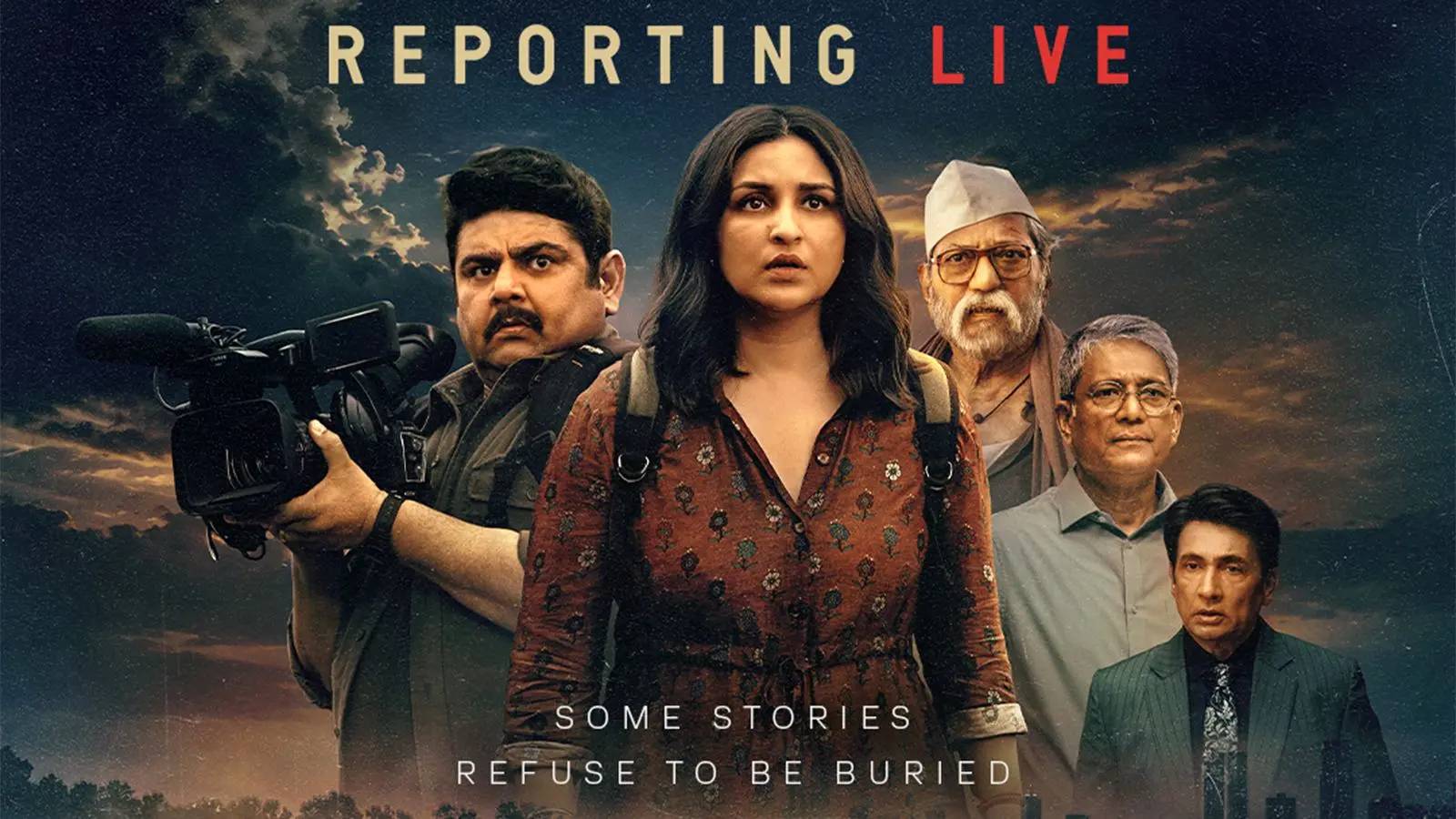
There is a major difference between having a brilliant creative vision and managing the logistical nightmare of a massive, multi-crore film set. Right now, this operational gap is the exact rumor echoing loudly throughout Tollywood trade circles regarding director Srikanth Odela and his upcoming pan-Indian project, The Paradise.
Following his massive, gritty debut hit Dasara, the young director was handed an enormous responsibility, a budget rumored to cross ₹200 crores, a massive pan-Indian cast, and sprawling period sets. However, the project has faced repeated speed bumps, pushing its release date from March to late August, and now buzzing with further delays as massive blocks of the shoot remain incomplete.
In film circles, the skepticism surrounding this timeline makes practical sense. While Dasara was a major box office success, it was a localized story shot mostly in a controlled village environment. Jumping directly from a promising debut to a high-risk canvas like The Paradise is proving to be a massive reality check in execution scale.
Managing thousands of junior actors, coordinating the hectic calendars of busy stars, handling complex visual effects, and building enormous replicas require a deep level of organizational experience. When a young filmmaker tries to micro-manage every single detail on a canvas this vast, the production pace naturally slows to a crawl, creating a logistical bottleneck.
The real concern among distributors and industry insiders isn’t about Srikanth’s ability to tell a compelling story, but rather the economic pressure these constant extensions place on the project. Nani is a star famously known for operating on a highly disciplined, tight schedule, typically delivering multiple movies a year.
Because The Paradise has locked him up for so long, his next announced projects have already been forced to slide back on the calendar. If the final product turns out to be a cinematic masterpiece, these delays will be forgiven instantly by the audience. But right now, the struggle to wrap up this film efficiently proves that true command over big-budget filmmaking requires operational experience that simply cannot be bypassed.