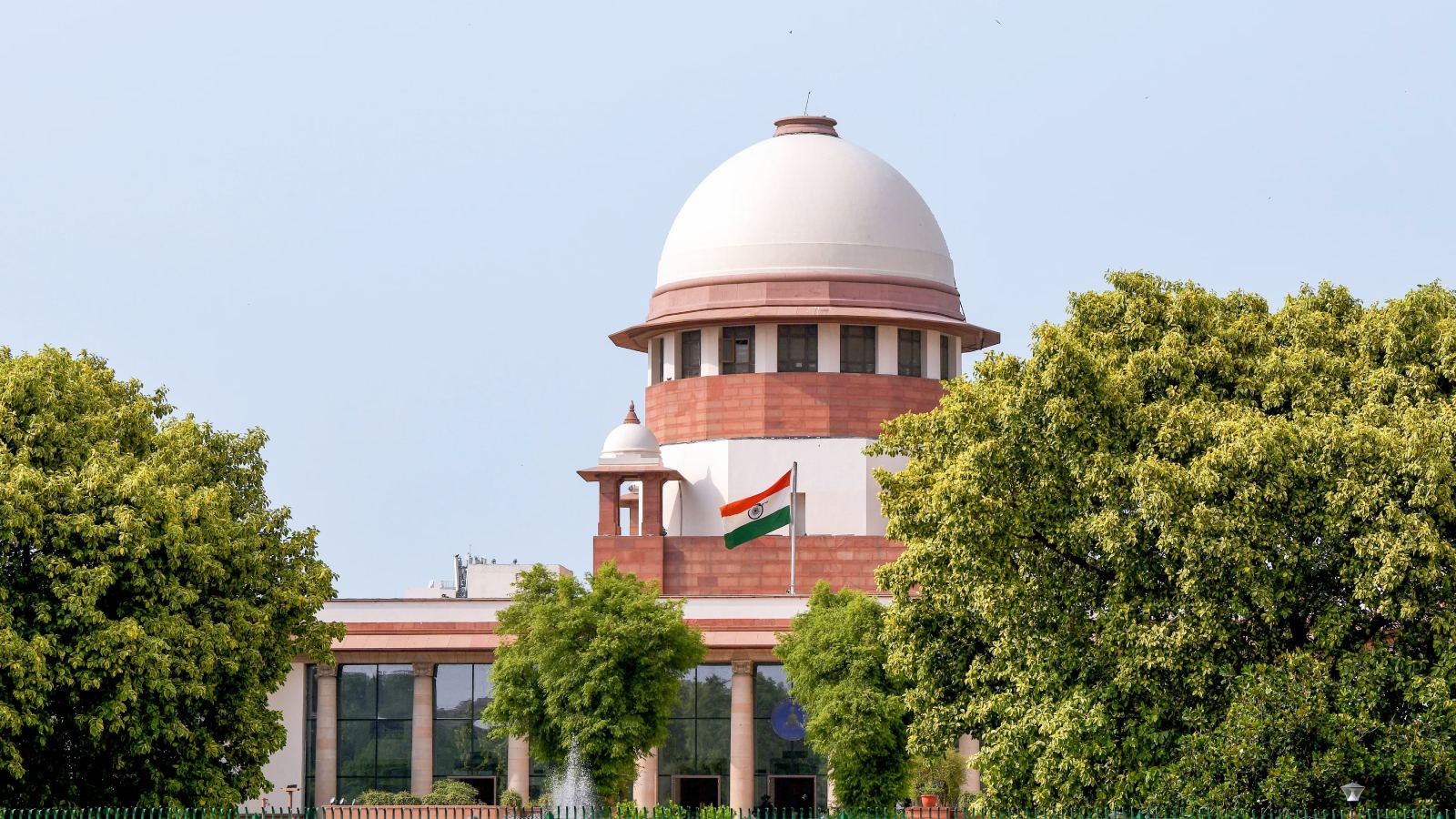
The Supreme Court on Monday expressed concern over the very high prices charged by multiplexes for tickets and food items. The bench of judges said that rates should be reasonable so that people continue going to cinemas. Otherwise, theatres may soon end up empty.
The Court was hearing petitions filed by the Multiplex Association of India against conditions set by the Karnataka High Court. The High Court had stayed the State government order that capped ticket prices at Rs. 200. But it also directed multiplexes to keep auditable records for every ticket, track ticket buyers, and submit CA verified reports.
Judges pointed out examples like water costing Rs. 100 and coffee costing Rs. 700 inside multiplexes. Senior Advocate Mukul Rohatgi argued that pricing is a matter of choice, just like a customer choosing to have coffee at a hotel. The Court disagreed. It said that cinema attendance is already declining, and multiplexes must keep rates reasonable if they want people to come.
Meanwhile, social media users reacted strongly to the matter.
One person wrote, “Who will tell them that multiplexes are actually in the food and hospitality business. Movies are just a distraction from the expensive junk food.”
Another user said, “Just pass an order allowing people to bring outside food. Everything will be sorted out after that. They will then be forced to keep food rates competitive.”
Another comment read, “Why did the High Court stay the Karnataka government’s ticket price cap. The Supreme Court should dismiss that stay order.”
In an ideal world, multiplex owners should have realized that affordable pricing brings more footfalls. Theatres exist for cinema, not for luxury restaurant business. Fair ticket pricing and reasonable food rates will bring families back, encourage repeated visits, and revive the theatre culture that is slowly fading due to OTT platforms.
However, multiplex chains operate with a corporate business mindset, and profit margins drive their decisions. Unless there is strict rule or a huge shift in consumer behavior, the chances of them reducing prices on their own are zero. They may continue to test the limits of what customers will tolerate.
The public also plays a role. If people blindly pay inflated rates, the cycle will continue. Consumers must push back by refusing overpriced items, supporting theatres that price fairly, and demanding accountability.
When audiences act smart and united, industries are forced to respond. Otherwise, complaints will remain only on social media while the popcorn bill keeps rising at the theatre counter.