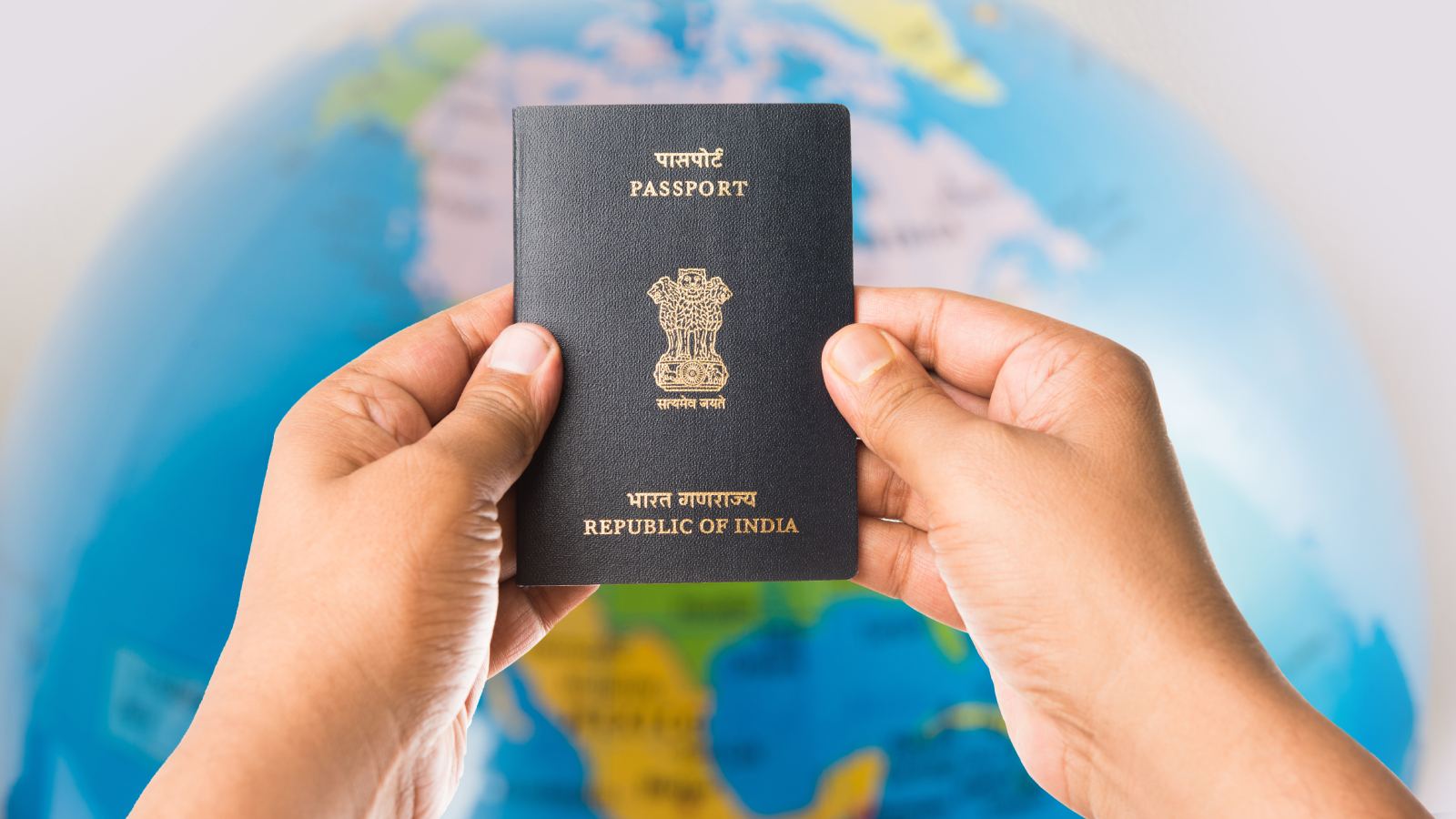
The Government of India has changed the passport rules, and the new system will start from February 15, 2026. The aim is simple: less paperwork, faster service and more use of digital systems. The Ministry of External Affairs says the new process will reduce delays and make things easier for applicants.
The biggest shift is towards a fully digital process. People can now fill forms online, upload documents and track their application status without repeated visits to Passport Seva Kendras. Aadhaar and other government-issued ID cards will be accepted as primary proof of identity and address. The number of documents required has also been reduced.
At the same time, the rules have become stricter in one area. If an application is incomplete or documents are not clear, it will be rejected immediately. So while the process is easier, applicants must be careful while submitting details.
Police verification, which used to take weeks, will now move faster. Passport offices and police departments will share information digitally. In some cases, passports may even be issued first, and police checks will happen later. The government says security standards will not be compromised despite faster approvals.
The new portal also allows direct appointment booking without middlemen and gives real-time updates. For minors, digital birth certificates and school ID cards will be accepted. Parental consent rules have been simplified to avoid delays.
Passport centres will also be expanded to smaller towns and mandal headquarters so that people in rural areas do not have to travel far.
While these changes promise speed and convenience, there are a few concerns. A fully digital system may be difficult for people who are not comfortable with online applications. Strict rejection rules could also lead to more reapplications if applicants make small mistakes. Post-issue police verification in some cases may raise questions if any discrepancies are found later.
Overall, the new rules focus on speed and digital access. But applicants will need to read the updated guidelines carefully before applying to avoid rejection or delay.