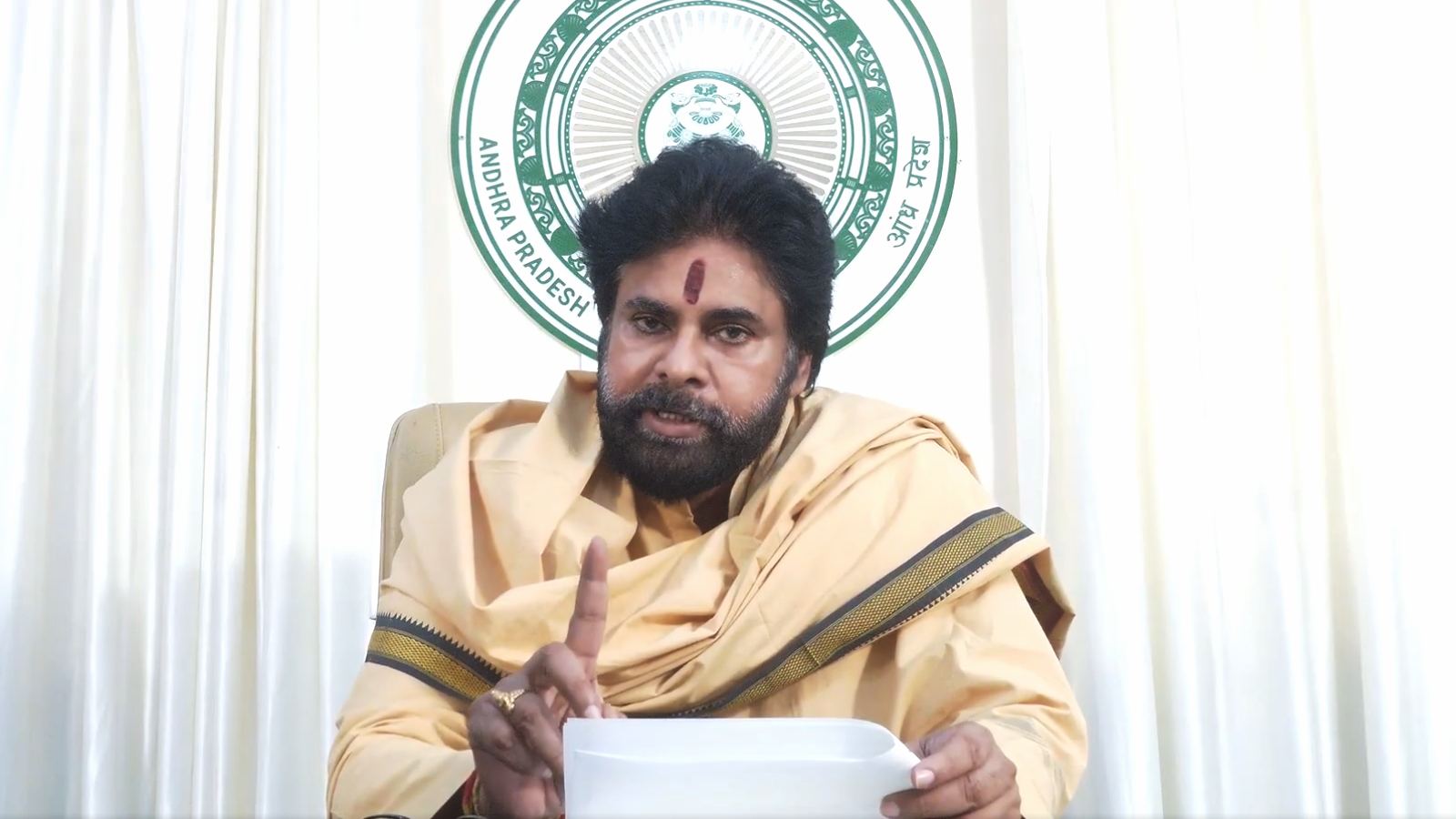
Deputy Chief Minister Pawan Kalyan has stepped into one of the toughest debates in today’s digital world. Where should the line be drawn between free speech and online abuse?
His message was clear. The Andhra Pradesh government welcomes criticism, satire and dissent, but it will not tolerate fake accounts, personal abuse, morphed images, threats, harassment of women or content that incites violence.
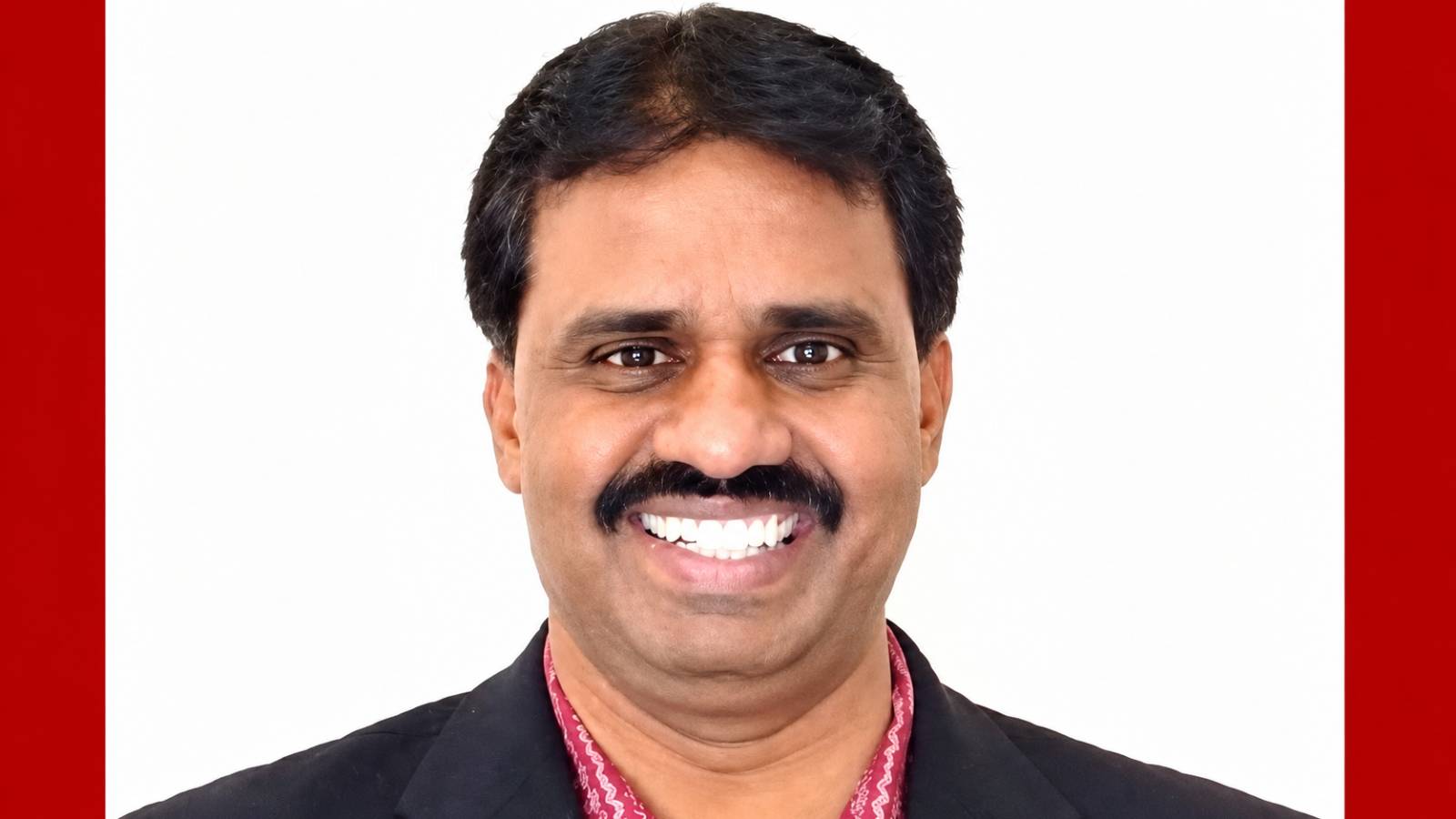
The timing is important. His address came soon after the arrests of political commentator KV Reddy and YouTuber Prashna Raavan, which have already triggered a debate over free speech and government action.
Pawan also announced a Social Media Task Force in the Deputy Chief Minister’s Office. People can report fake accounts and abusive content by submitting screenshots, video links and other digital evidence. Verified complaints will then be forwarded for legal action.
The announcement addresses a problem that has grown well beyond politics. Fake accounts, cyber harassment, morphed images and coordinated trolling have become common across social media. Victims, especially women, often struggle to know where to complain or how to preserve digital evidence.
But creating a task force is only the beginning.
The real challenge is making sure the line between criminal abuse and political criticism remains clear. If the mechanism focuses on genuine cyber offences, it is likely to receive broad public support. If criticism of the government is also perceived to come under scrutiny, the debate will only intensify.
Pawan also said no one should expect protection based on caste, religion or political affiliation. If that principle is applied consistently, it could strengthen public confidence in the initiative.
The intent is easy to support.
The real test begins now. Not in speeches or announcements, but in how fairly and consistently the government enforces its own principles.