The upcoming joint inauguration of the newly installed spillway gates at the Tungabhadra Project marks a significant milestone in inter-state cooperation and water diplomacy between Andhra Pradesh, Karnataka, and Telangana.
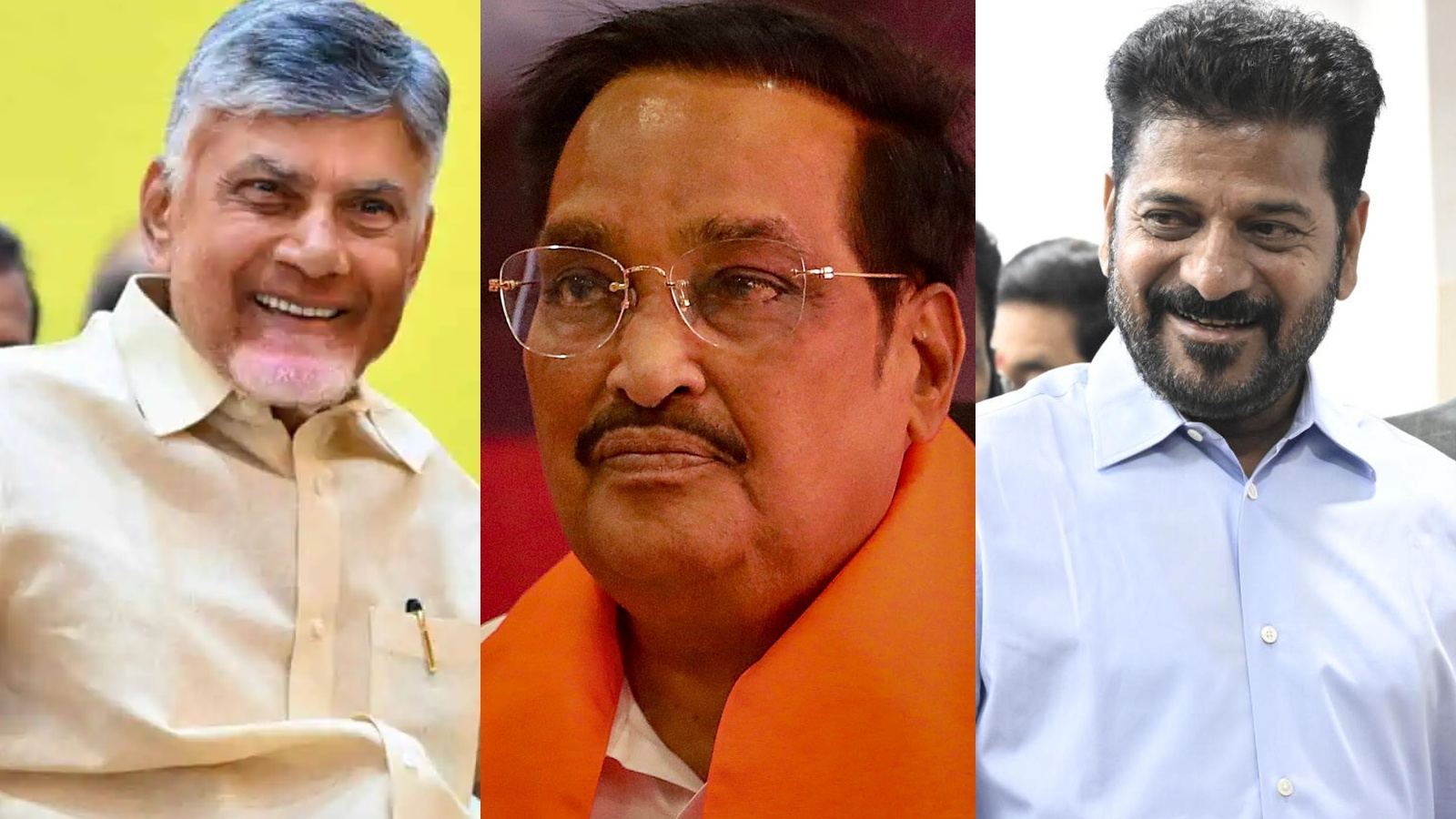
Scheduled for June 25, 2026, the event will see Andhra Pradesh Chief Minister Chandrababu Naidu join hands with Karnataka’s leadership, Telangana Chief Minister A. Revanth Reddy, and Union Jal Shakti Minister C.R. Patil at Hosapete.
This high-profile gathering highlights a unified approach to managing vital river infrastructure that serves as an agricultural lifeline for all three southern states.
The project underwent a rapid ₹51-crore rejuvenation following a major safety scare in August 2024, when heavy floods washed away Gate No. 19.
Thanks to an immediate intervention that placed temporary stop-lock gates, followed by a thorough recommendation from the National Dam Safety Authority, Andhra Pradesh and Karnataka jointly worked to replace all 33 spillway gates in a record time of just six months.
The successful completion of this massive infrastructure overhaul delivers critical benefits directly to the region’s farming community:
Securing Irrigation: The reinforced reservoir ensures uninterrupted water distribution to over 1.46 lakh hectares of agricultural land in Andhra Pradesh alone, covering drought-prone areas in Kurnool, Kadapa, and Anantapur.
Protecting Villages: The upgraded gates provide modern regulation controls, significantly minimising water wastage and protecting low-lying villages from sudden flood damage during peak monsoons.
Regional Stability: Beyond farming, the infrastructure guarantees a reliable source of drinking water for hundreds of rural and urban communities across state borders.
By coming together for the inauguration and a subsequent public meeting, the state leaders are showcasing how collaborative infrastructure management can override regional political boundaries.
This successful cross-border effort sets a positive precedent for water diplomacy in South India, proving that shared natural resources can be secured efficiently when neighboring states prioritize regional stability and mutual growth.