Andhra Pradesh is currently witnessing a striking political shift, as the historical rivalry between the ruling party and the opposition has evolved into a narrative defined by singular dominance. Over the last two years, the Kutami government has managed to completely dominate the state’s agenda by running a high-energy, multi-front administration.
By simultaneously pushing for massive industrial setups around Tirupati and driving infrastructure expansion in Visakhapatnam, the government has maintained momentum. Furthermore, by reviving the capital construction in Amaravati and resolving long-standing youth demands through the DSC teacher recruitment, the administration has left very little room for standard political pushback.
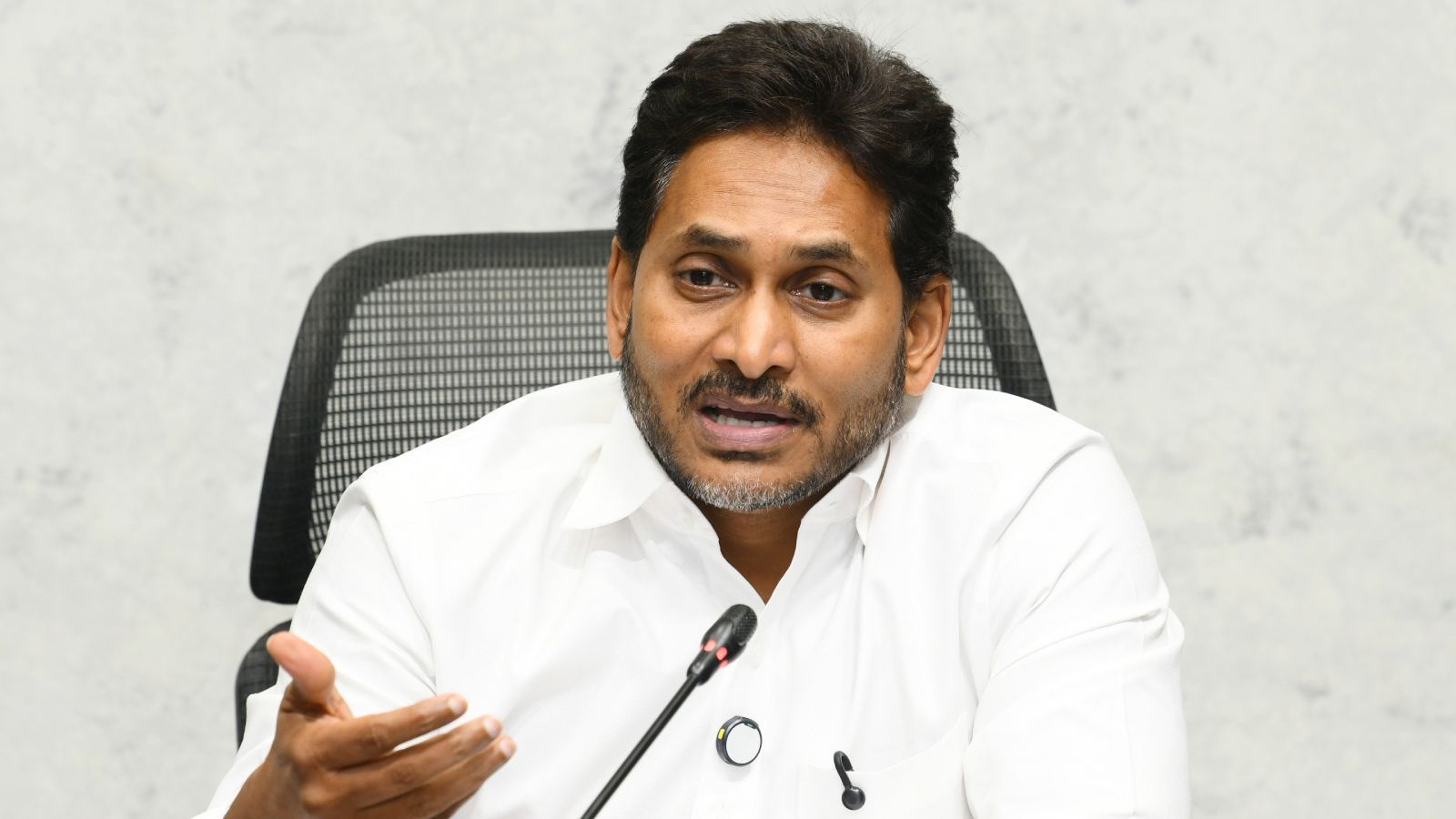
For any opposition party, finding a significant policy failure to exploit has become an exceptionally uphill task in an atmosphere focused heavily on concrete growth and job creation. In the face of this aggressive development model, the main opposition, led by Y.S. Jagan Mohan Reddy, seems trapped in a passive political deadlock.
The choice to largely stay away from the Legislative Assembly, driven by the technical lack of an official Leader of the Opposition status, has increasingly detached the party from the primary arena of state debate. Instead of confronting the treasury benches on core public issues, the party has heavily relied on pre-scheduled press meets to communicate its stance.
However, reading scripted criticisms off a paper in an isolated office does not carry the same political weight it once did. Without a massive, active presence among the common public to back up those words, this style of one-way communication creates a visible gap between the top leadership and the fast-moving ground reality.
The fundamental crisis for the YSRCP is that their current approach appears entirely clueless, operating under the outdated assumption that simply staying visible through media monologues is enough to regain power. When a political party’s only visible intent is to capture power rather than actively engage with the democratic process, voters quickly notice the vacuum.
To stay relevant, the party desperately needs a complete overhaul of its strategy, mindset, and thought process. It requires the leadership to unlearn the habits of absolute authority and learn the gritty, day-to-day realities of being a constructive opposition that works from the ground up.
Looking at the current rigid structure of the party, achieving this kind of profound mental shift seems almost impossible. If they refuse to adapt, the dream of returning to power may slip away forever.