

A shocking exposé by The Times of India has uncovered a disturbing trend in Gujarat: government officials allegedly accepting bribes on EMI (Equated Monthly Installment) plans.
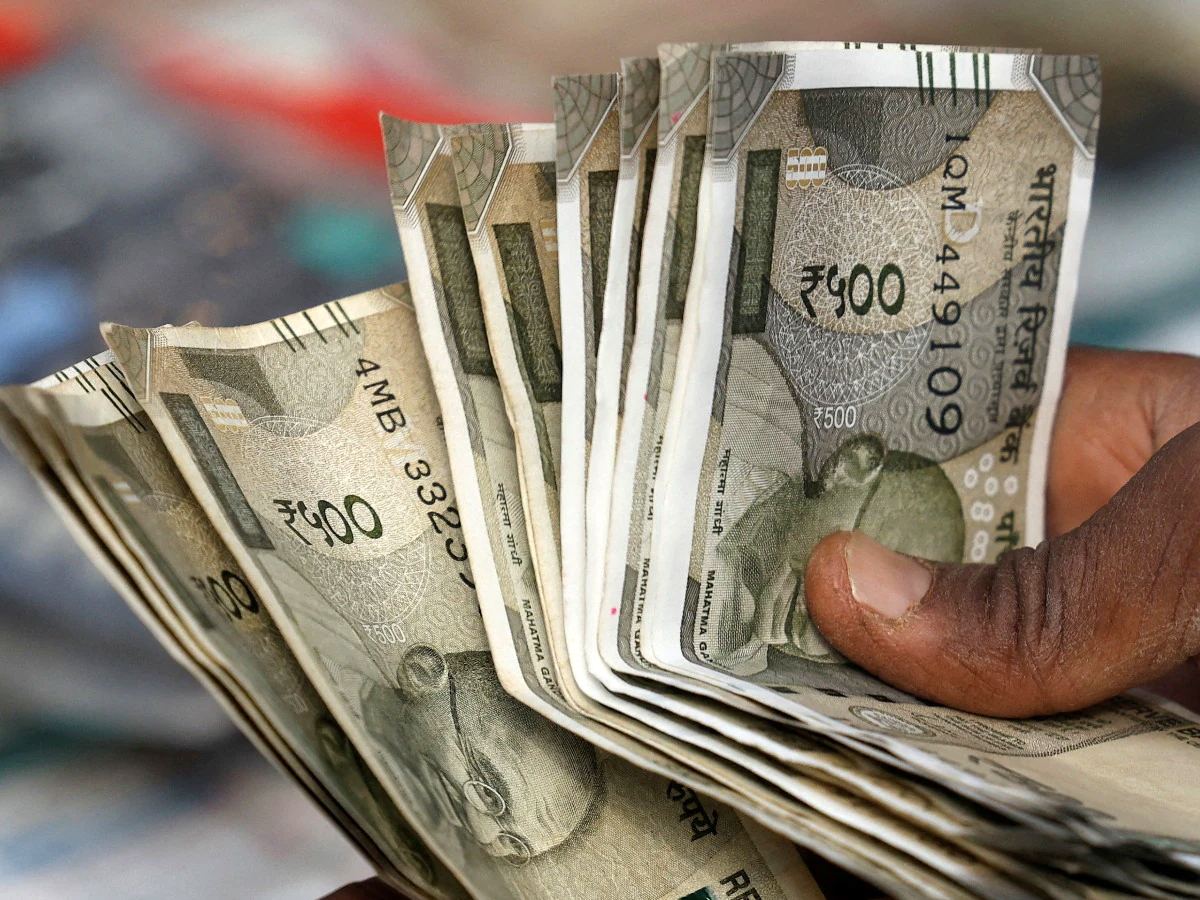
In one reported case, a bribe of 21 lakh rupees was negotiated down to monthly payments of 2 lakh — a darkly ironic twist that reflects how deeply normalized and “institutionalized” corruption has become in some parts of the system.
According to the Gujarat Anti-Corruption Bureau (ACB), such “installment bribes” are no longer rare. They are becoming more common, especially in departments dealing with permits, public infrastructure, and government tenders.
It’s not just a moral collapse — it’s a procedural one. Corruption is being repackaged as a flexible, financially manageable transaction, almost like a bank loan.
The timing of this revelation couldn’t be worse. Just days ago, on July 9, 2025, a bridge collapsed in Vadodara. Fortunately, no lives were lost, but the incident has reignited debates over corruption in public works.
These revelations strike at the credibility of the widely marketed “Gujarat Model,” which has long been promoted as a symbol of clean and efficient governance.
What’s perhaps most telling is how the public has reacted — not with outrage, but with exhausted sarcasm.
One viral comment summed up the mood: “How kind the officer is? Allowing victims to pay bribe in EMIs – reducing the burden. I think our systems are tiring! WE need a crusader.”
The dark humor reflects a society so worn down by corruption that even blatant criminality is met with grim acceptance.
This so-called EMI bribe system isn’t just about officials taking money — it signals institutional surrender. Corruption is being dressed up in corporate language and convenience.
Unless urgent and visible action is taken to hold offenders accountable, this twisted “innovation” could very well become the new normal.