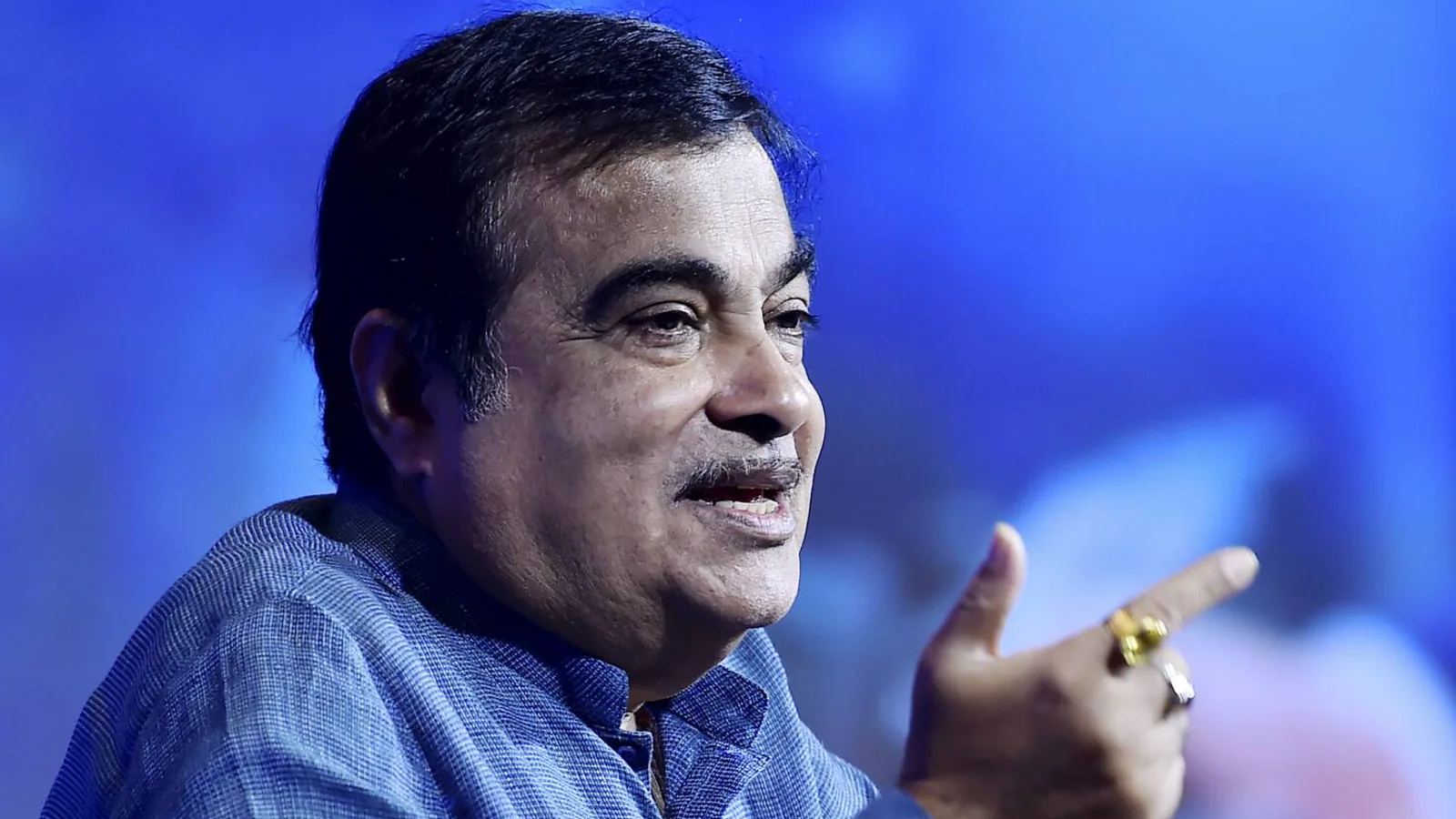
Union Minister Nitin Gadkari has reignited the debate on electric vehicle prices in India with his confident statement that EVs will cost the same as petrol cars within the next four to six months. His remark has sparked both excitement and skepticism.
Speaking at the 20th FICCI Higher Education Summit, Gadkari said India’s automobile sector is entering a major transformation. He credited falling battery prices and strong government incentives for driving this shift towards cleaner and more affordable mobility.
Battery costs have dropped sharply from around $150 to $55–$65 per kilowatt-hour, making EV production cheaper. Along with reduced GST and schemes like FAME-II, this decline is expected to accelerate affordability and demand in the coming months.
However, many online reactions question the practicality of this claim. Some argue that petrol car prices might rise instead, while others point to India’s slow progress in building adequate charging infrastructure for widespread EV adoption.
Experts say the narrowing cost gap is a positive step but caution that key challenges remain. Battery durability, charging network expansion, and access to raw materials will decide how fast India’s EV transition actually happens.
Supporters highlight the bigger picture — cleaner air, reduced dependence on fuel imports, and a stronger push for sustainable technology. They believe India’s long-term goal of affordable, accessible EVs is finally within reach.
Gadkari’s statement, while ambitious, has refocused attention on the future of mobility. Achieving price parity will depend not just on lower costs, but also on ensuring readiness — from infrastructure to consumer trust — for India’s next automotive leap.