The promise of quick money has always been a strong lure for many.
Human curiosity, combined with dreams of overnight wealth, makes people vulnerable to schemes that sound too good to be true.
In today’s digital age, social media drives much of our attention. These traps spread faster than ever and reach people from every background.
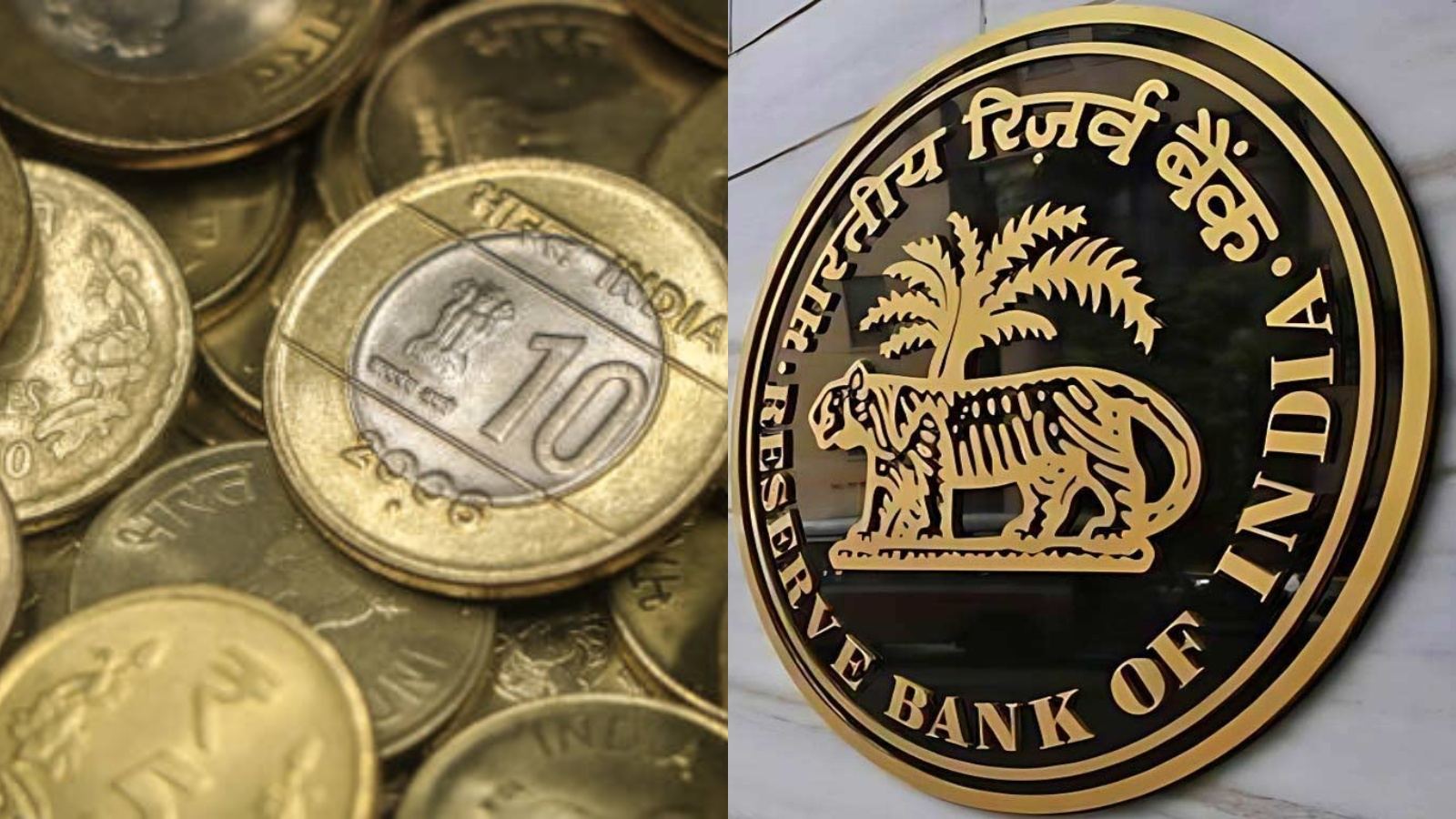
Recently, WhatsApp and Facebook have been flooded with ads claiming that old ₹5 and ₹10 coins can fetch lakhs or even crores.
The presentation looks convincing with fake RBI logos, forged certificates and glowing testimonials from supposed sellers who became rich. But behind these claims lies only fraud.
Victims are asked to pay verification or processing fees, often multiple times, until their savings are wiped out. Once enough is collected, the scammers vanish without a trace.
Real cases highlight the pain these scams cause. From a man in Hyderabad who lost ₹4 lakh to another in Madhya Pradesh who was tricked out of ₹60,000, the financial and emotional losses are severe.
What makes this scam so dangerous is its simplicity. Ordinary citizens, especially the elderly, fall prey because they trust official-looking symbols.
The harsh truth is that RBI does not buy old coins from individuals, nor does it charge any fees for such services. Any claim otherwise is a warning sign.
Awareness is the strongest protection. Saving evidence, reporting to cybercrime portals and spreading the word can help prevent others from falling into this fast-growing trap.