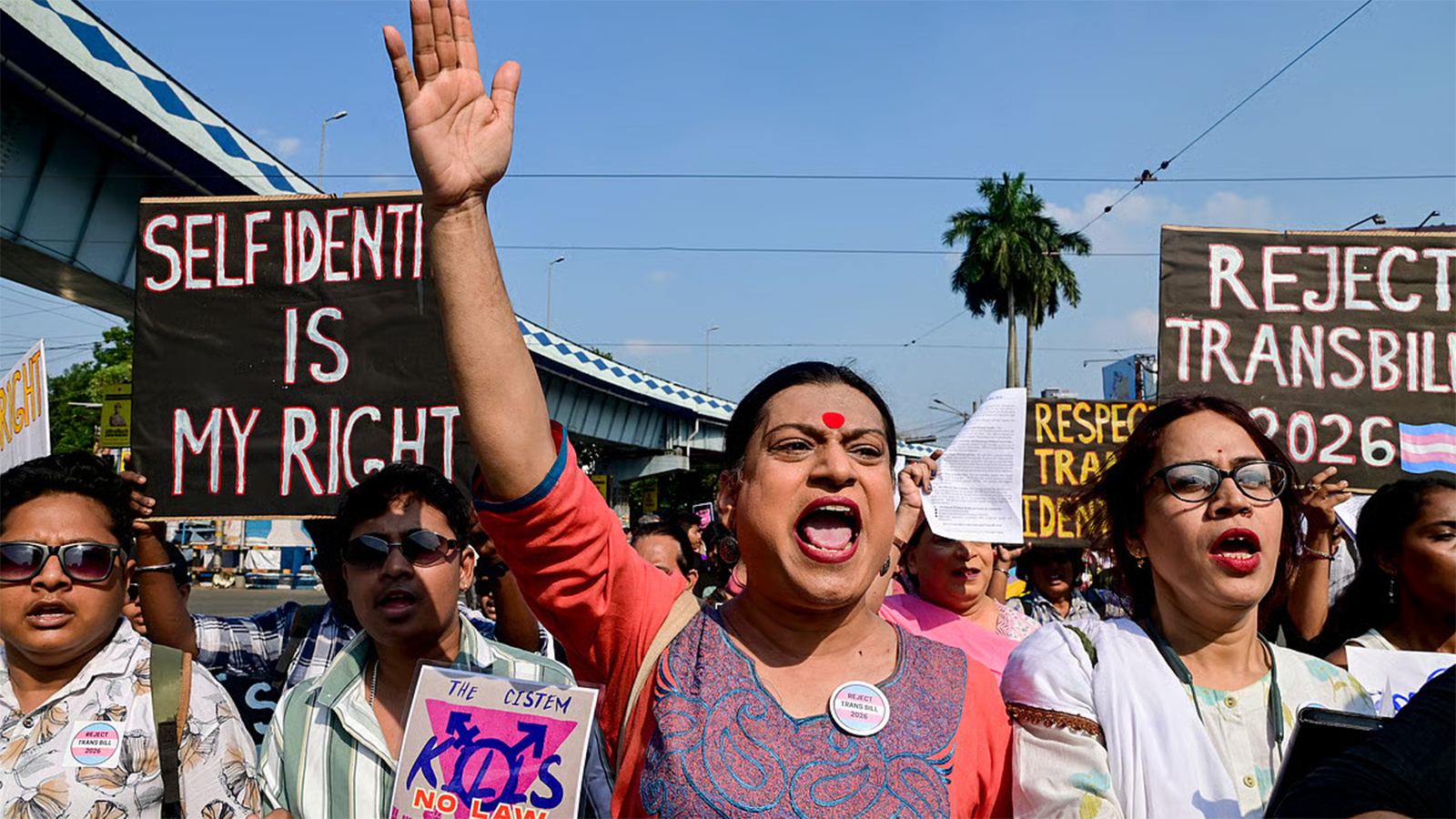
A recent development has sparked widespread debate across the country. The Transgender amendment bill has been passed by both Houses of Parliament. It is now set to move forward and may soon become a law.
The amendment reportedly changes how transgender identity is recognised. It states that only biological and accidental cases will be legally accepted. This means several self-defined transgender identities may not receive legal recognition under the new framework.
The proposed law also includes strict penalties. Those found encouraging trans conversion may face legal consequences. This provision has raised concerns among activists and members of the transgender community across India.
Reactions to the bill have been divided. Some traditionalist groups have supported the move and argued that transgender identity is a western concept. Others strongly disagree and highlight its presence in Indian history and culture.
Supporters of transgender rights point to references from Vedic times. They argue that transgender individuals have always existed in Indian society. Despite their presence, the community has faced long-standing marginalisation and social exclusion.
Members of the transgender community and their allies have begun mobilising against the bill. Protests and awareness campaigns are being organised. The issue is now gaining attention at both social and legal levels.
Several petitions have already been filed in the Supreme Court. These have been led by senior lawyers seeking a review of the amendment. The legal battle is expected to shape the future of transgender rights in India.