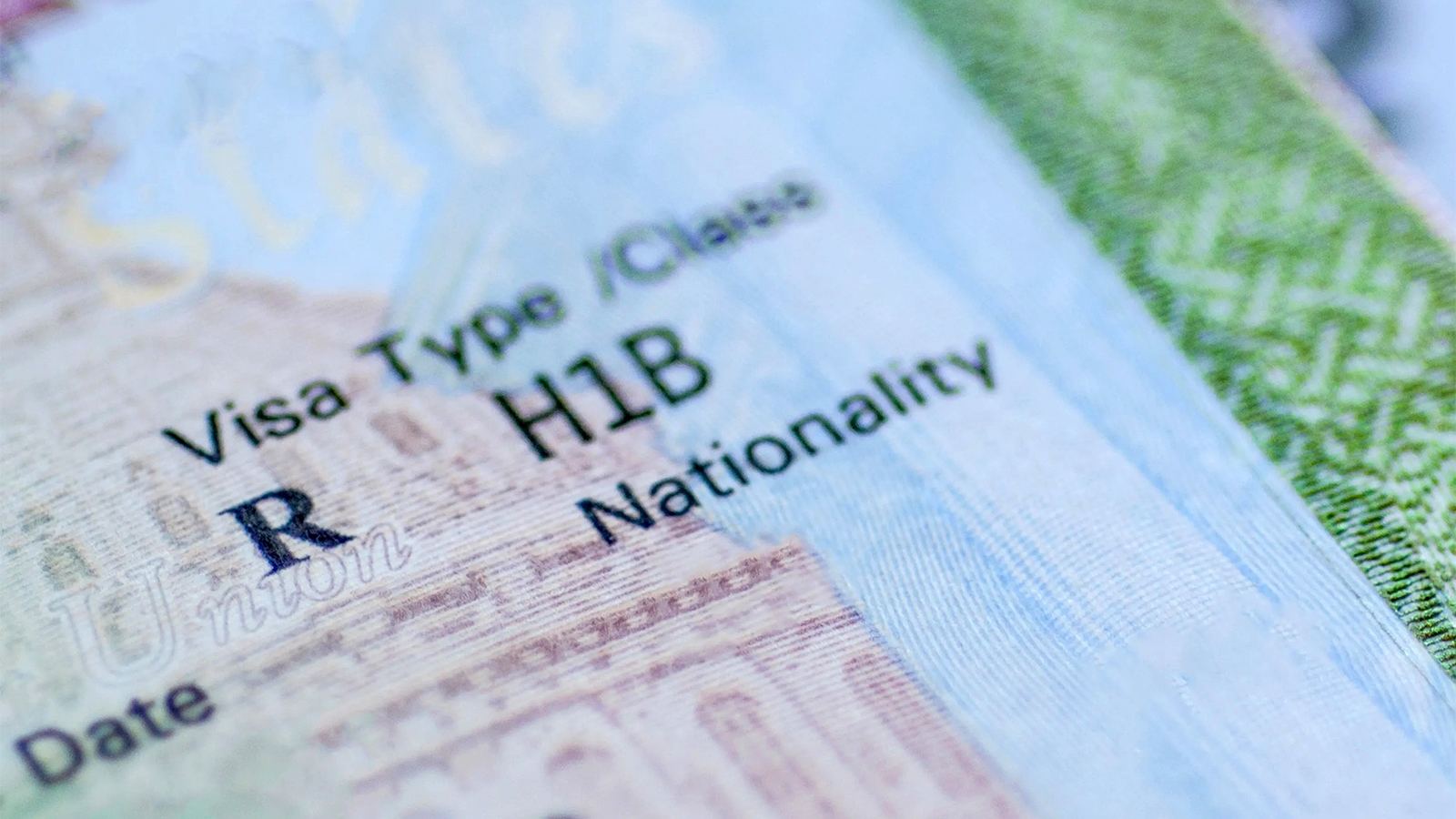
Under the current visa climate, delaying an H-1B extension until the last day can be risky. Experts warn that many applicants still ignore premium processing, which can help secure faster approvals before the deadline and avoid complications.
Immigration attorneys Rahul Reddy and Emily Neuman have cautioned H-1B workers about a common mistake. Filing an extension alone is not enough. Approval must come before the I-94 expiry to maintain valid legal status in the United States.
The H-1B visa and I-94 serve different purposes in the US immigration system. The visa is a travel document, while the I-94 determines the duration of stay. A person can stay legally even after the visa stamp expires.
Problems arise when an extension is denied after the I-94 expiry. In such cases, the individual immediately falls out of status. If this continues for 180 days, it may result in a three-year ban from entering the United States.
Experts say last-minute filings are not dependable. Petitions can fail due to employer withdrawal, project loss or technical issues. These risks make early filing and careful planning essential for visa holders.
If a denial happens before the I-94 expiry, there are still options. One can refile, change jobs or explore another visa. However, once the I-94 expires, these options become limited and difficult to manage.
Immigration attorneys are now strongly recommending premium processing. Some even suggest paying the fee personally to avoid delays that could affect long-term career plans in the United States.
There is also confusion about the 240-day rule. Rahul Reddy clarified that it allows continued work but does not protect legal status if the petition is denied. This misunderstanding has led to serious consequences for many workers.
With stricter scrutiny under the Trump administration, approvals are no longer certain. Experts advise clearing all documentation and securing approval well before the employment status expiry to avoid legal and career risks.