One US visa rejection within a family has created anxiety for an F-1 visa applicant. The situation highlights how a single refusal can raise concerns about future applications, especially when immigration intent becomes a central issue during interviews.
The student shared his experience after his mother applied for a B1/B2 visa to visit family in the United States. In her DS-160 form, she mentioned her sister-in-law, a US permanent resident, under the “Other Relatives” section.
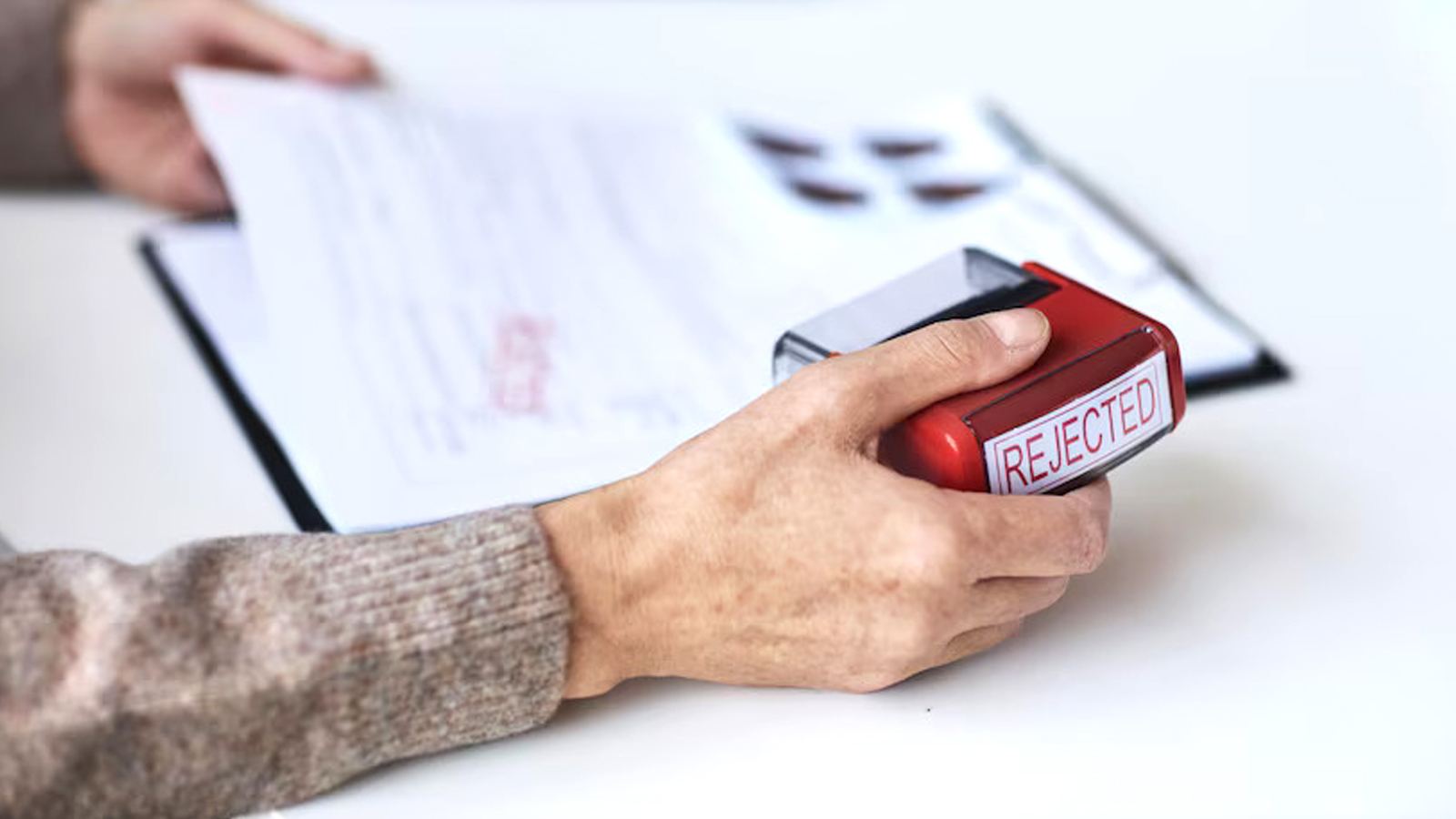
During the visa interview, the officer rejected her application and issued a 214(b) slip, citing immigration intent. The family maintained the visit was purely for tourism and family meetings. However, the final decision rested solely with the officer.
The student is now preparing to apply for an F-1 visa to pursue a Master’s degree at a reputed US university. His mother’s rejection has shaken his confidence, as F-1 visas can also be refused under the same immigration intent grounds.
He has not yet completed his DS-160 form due to concerns about disclosure. He is unsure whether mentioning his aunt, who holds a green card, could negatively impact his chances during the F-1 visa interview.
The worry deepens because the aunt runs a small company in the same field as his intended course. The applicant fears this connection could be interpreted as a future employment opportunity in the United States.
With US visa officers becoming stricter on immigration intent, 214(b) refusals are reportedly rising. Many Indian families are facing increased scrutiny, even when travel or study plans are genuine and well documented.
For this student, the fear is that one family rejection could affect his dream of earning a US degree. Still, honesty remains essential, as any misrepresentation during the F-1 interview could lead to more serious consequences.