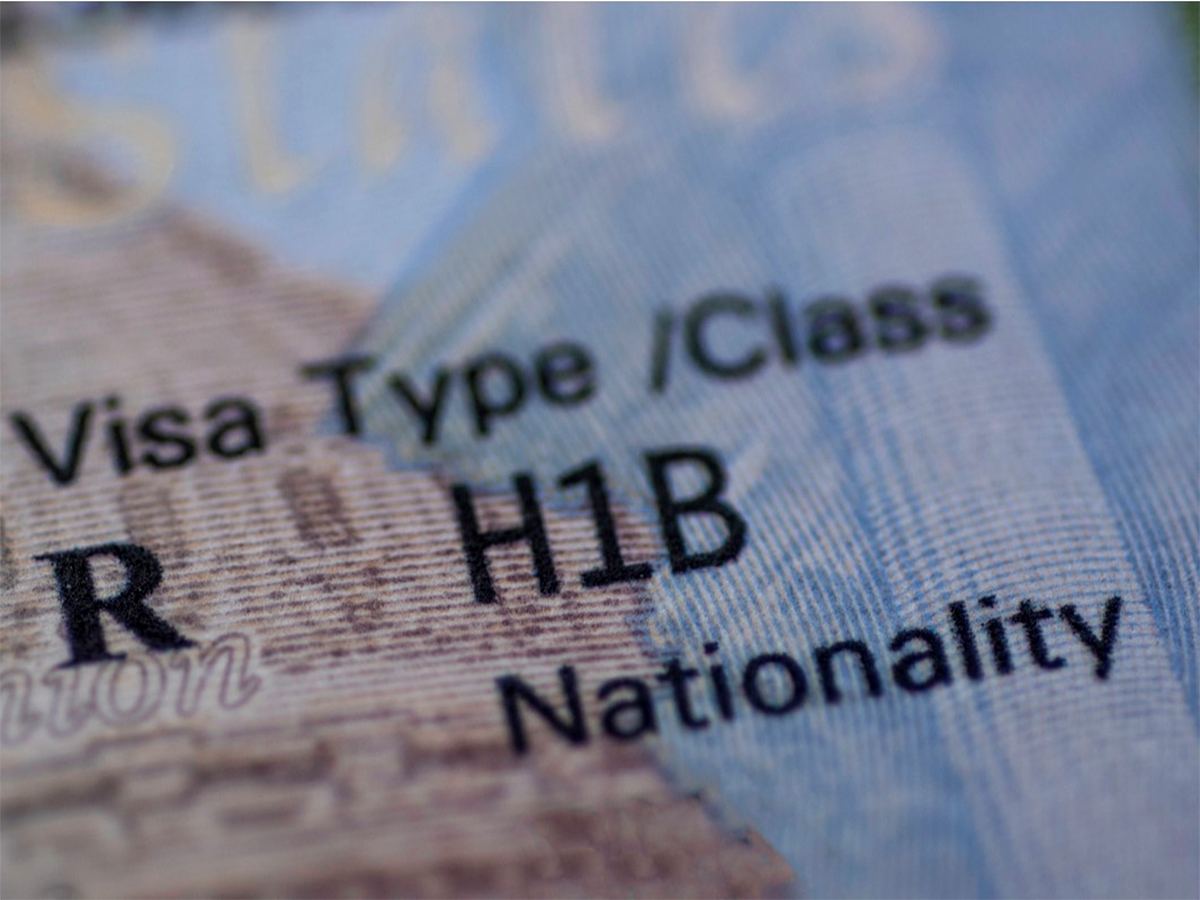
A simple trip home to Chennai for H-1B visa stamping turned into a stressful experience for an applicant after an old arrest record, which never led to charges, brought the process to a halt.
Arrest Without Charges Still Raises Flags
Last year, the applicant was arrested for domestic violence, but the county attorney decided not to prosecute. There was no court case or conviction. They carried proof, including the police report, a “no record found” court document, and a letter from the lawyer confirming the decision not to prosecute.
Consulate Visit Leads to 221(g) Delay
At the Chennai consulate, the officer barely checked the paperwork, asked no job-related questions, and instead issued a 221(g) white slip, returning the passport. This placed the visa in “administrative processing,” a stage where consular staff may verify details or check with other agencies.
Experts Warn of Long Wait Times
Immigration experts say that unless someone has been convicted, pleaded guilty, or admitted to serious crimes, the visa should eventually be approved. However, “eventually” can mean weeks or months. Applicants report that 221(g) cases rarely conclude in under a month, creating serious risks for those with urgent work commitments.
Broader Impact on Applicants
Thousands of applicants face similar delays in administrative processing, especially after recent policy changes like the cancellation of dropbox interviews and increased social media vetting for F-1 visas. In the current political climate, even an arrest without conviction can stall a visa, and once you enter 221(g), there is little you can do to speed up the process.