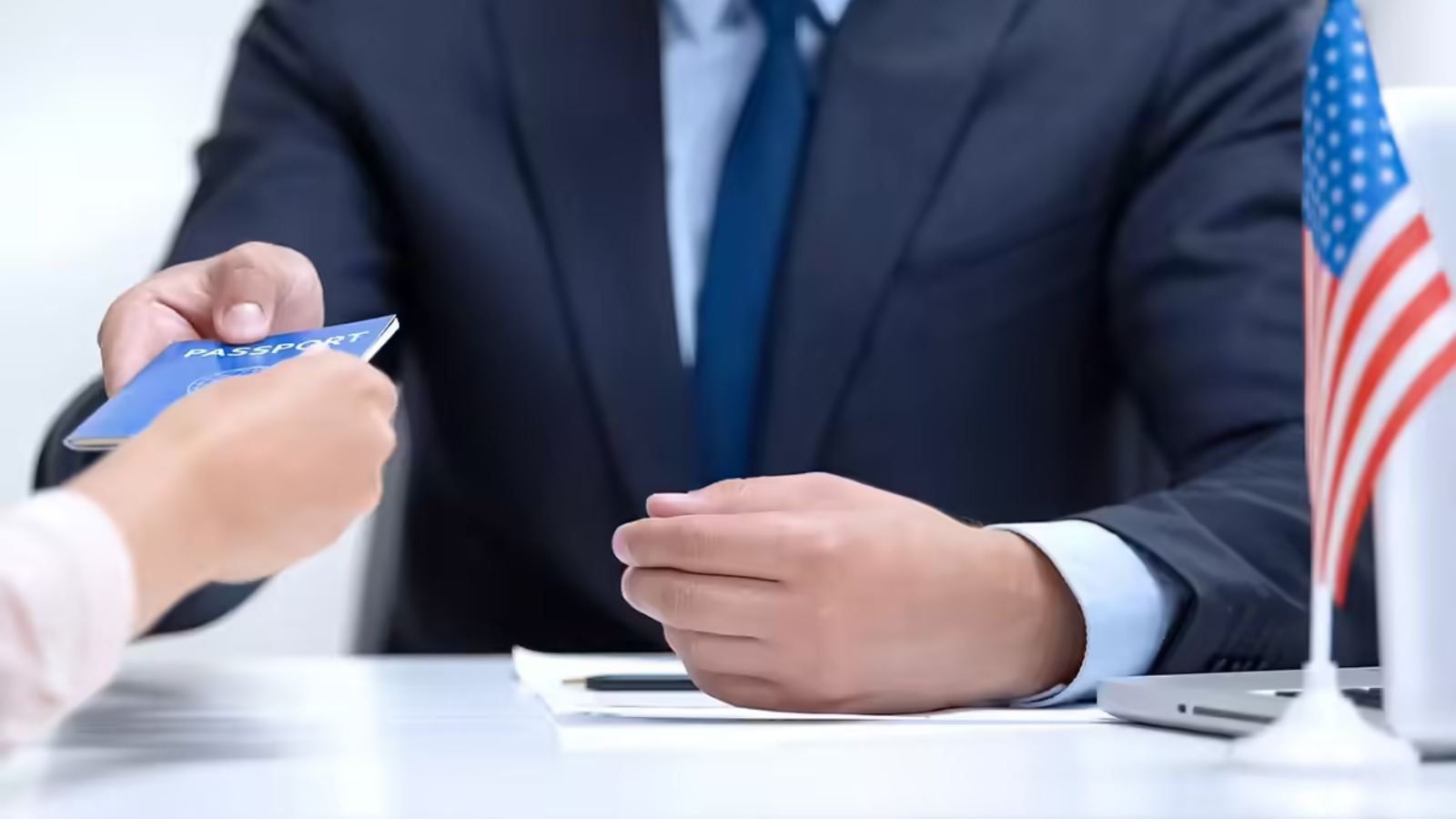
Two-minute US visa interviews are becoming increasingly common, often shorter than applicants expect. An immigration expert suggests that officers may decide nearly 80 percent of the outcome before the interview even begins, leaving little room for influence during questioning.
A Reddit post analysing multiple shared experiences across B1/B2, F-1, and H-1B interviews highlights the importance of the DS-160 visa form. This form appears to function as the primary screening tool used by visa officers before meeting applicants.
The findings indicate that details such as travel history, employment, salary, prior refusals, and social media activity are reviewed in advance. The interview then acts as a brief confirmation step, ensuring that the information provided matches official records.
Since late 2025, visa processing has become more data-driven with stricter background checks and social media scrutiny. Officers now manage high volumes of applications daily, which limits the time available for detailed interviews.
User experiences reveal a clear pattern in decision timelines. Approvals are often completed within two to three minutes, while rejections can occur in under a minute, with minimal questioning as decisions appear largely pre-determined.
Many cases suggest that consistency between DS-160 details and interview responses matters more than presentation. This challenges common advice that confidence and body language play a decisive role during visa interviews.
In the current strict environment, rehearsed answers and strong communication skills have limited impact. Supporting documents are reportedly reviewed only when officers need to verify specific details mentioned in the application.
India continues to witness high visa demand, especially for F-1 and H-1B categories, but scrutiny remains strict. This makes accurate and complete application submission more important than the brief interview stage.
Although based on anecdotal evidence and not official confirmation, these observations align with many applicant experiences. The process suggests that the real evaluation happens before the interview, rather than during those few minutes at the counter.