The debate around Dhurandhar has intensified after Shazia Iqbal, director of Dhadak 2, appeared to criticise the film for promoting hate and violence. Though she did not mention the film by name, her Instagram Stories used songs from Dhurandhar. She also described such storytelling as “malevolent”.
Shazia suggested that hate and violence are central to the film’s core. She questioned whether the industry is willing to ignore how minorities are portrayed or excluded in mainstream cinema. Her comments quickly triggered widespread debate online.
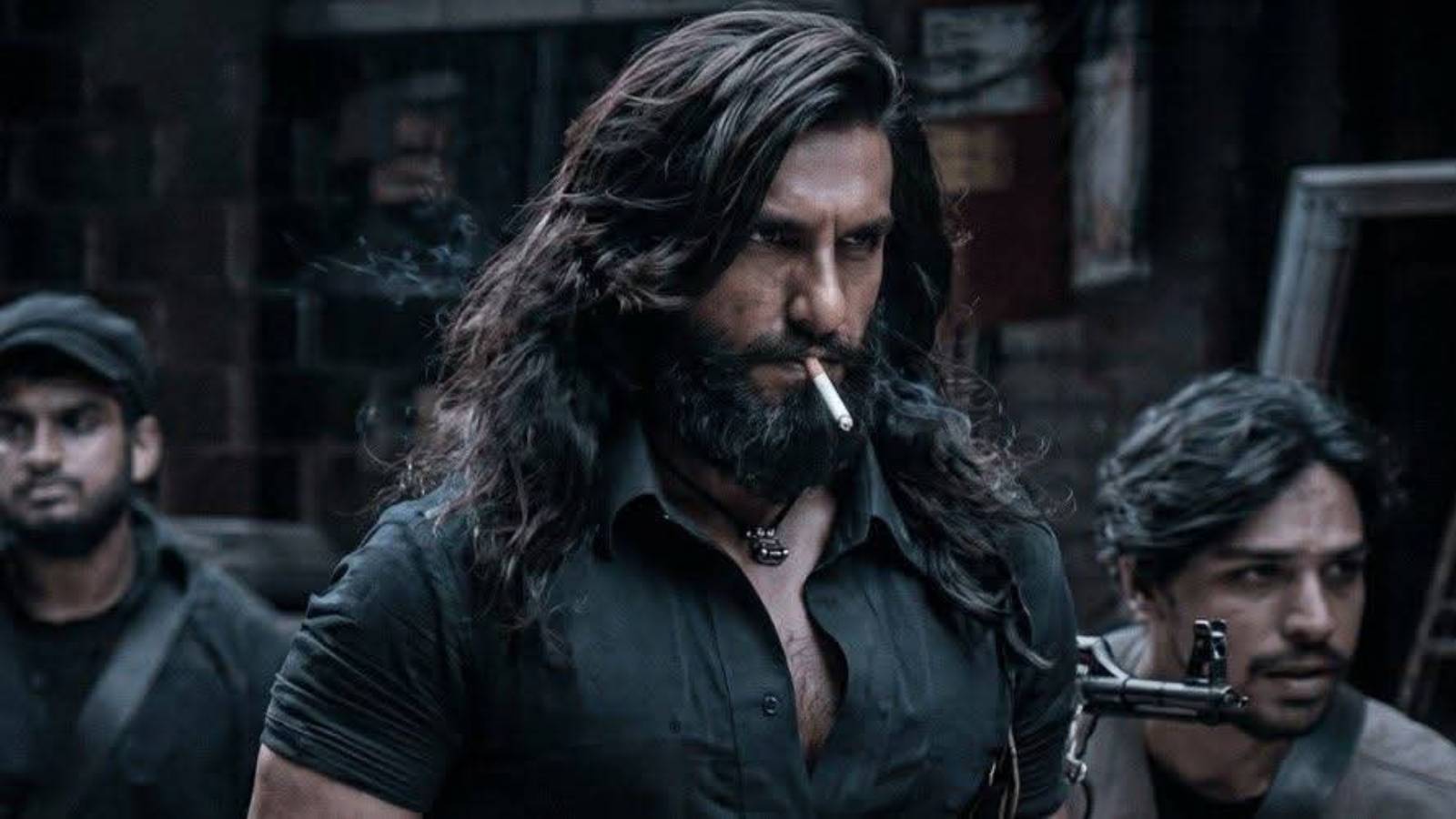
Her remarks come at a time when Dhurandhar, directed by Aditya Dhar and starring Ranveer Singh, is enjoying massive popularity. The espionage thriller follows an Indian intelligence officer infiltrating a criminal network in Pakistan. It reached the number one position on Netflix India within 24 hours.
The film has reportedly collected Rs.1325 crore worldwide, making it a major commercial success. Supporters find it easier to dismiss criticism because of these numbers. For critics, the scale of success makes the concerns harder to ignore.
The controversy reflects a familiar divide in Hindi cinema today. One section of audiences sees Dhurandhar as a well-made patriotic thriller. They praise its presentation and technical quality.
On the other hand, filmmakers like Shazia Iqbal argue that such films oversimplify complex geopolitics. They feel these narratives normalise hostility and leave little space for empathy or balance.
Aditya Dhar has focused mainly on the film’s success and called the Netflix response deeply rewarding. However, Shazia’s remarks raise a larger question. Should box office and streaming numbers define a film’s impact, or should filmmakers also be responsible for the messages they promote.