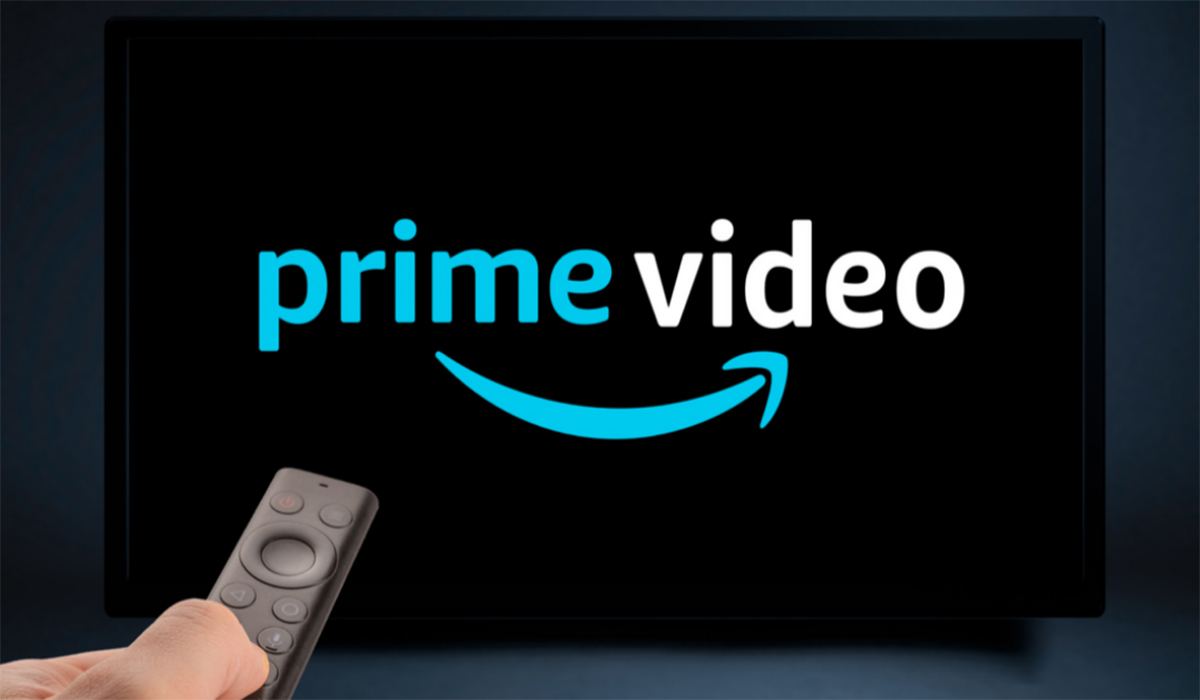
Amazon Prime Video’s rental model has left many subscribers frustrated and dissatisfied. Instead of allowing users to purchase movies for permanent access, the platform forces them to rent the same titles repeatedly.
This approach is making people question fairness, as subscribers who have already paid for Prime membership still have to spend extra just to watch certain movies.
With a rental model, viewers never truly own the content they pay for. Once the rental period expires, they have no choice but to rent it again if they want to rewatch it.
Unlike buying a physical DVD or a digital copy, there’s no sense of ownership, if it just ends up being an endless cycle of payments. This setup benefits the platform financially but leaves users at a disadvantage.
Many customers feel that if they are willing to pay, they should at least have the option to buy. Instead, they are locked into a system where their access disappears after a limited time. This forces repeated spending, making entertainment more expensive in the long run.
As frustration grows, some might seek alternatives. Instead of submitting to aggressive rental policies, people may turn to piracy or physical copies of movies.
If a film is only available for rent, some viewers might prefer downloading it illegally rather than paying repeatedly. Others may return to DVDs or Blu-rays, which allow them to watch a movie anytime without extra charges.
For a platform that already charges a subscription fee, this model adds an extra burden on users. Without a purchase option, many feel they are being made to pay indefinitely for the same content, pushing them toward other means of access like piracy which seems much more lucrative.