Bollywood is increasingly recognising that moviegoers are not a single, uniform audience. Viewing habits continue to evolve, and understanding these differences is becoming more important for the film industry. Recent findings suggest that audience preferences are shaping both marketing strategies and box office performance.
According to Ormax Media’s TOBAR 2026 report, India’s 28.5 million regular Hindi cinema goers can be divided into five distinct audience groups. Each segment has its own viewing behaviour, expectations, and reasons for visiting theatres.
The largest segment is the RARE crowd, accounting for 35% of viewers. These moviegoers usually visit theatres only for major event films that generate significant buzz and public attention. Their choices are often influenced by widespread conversations and strong public interest.
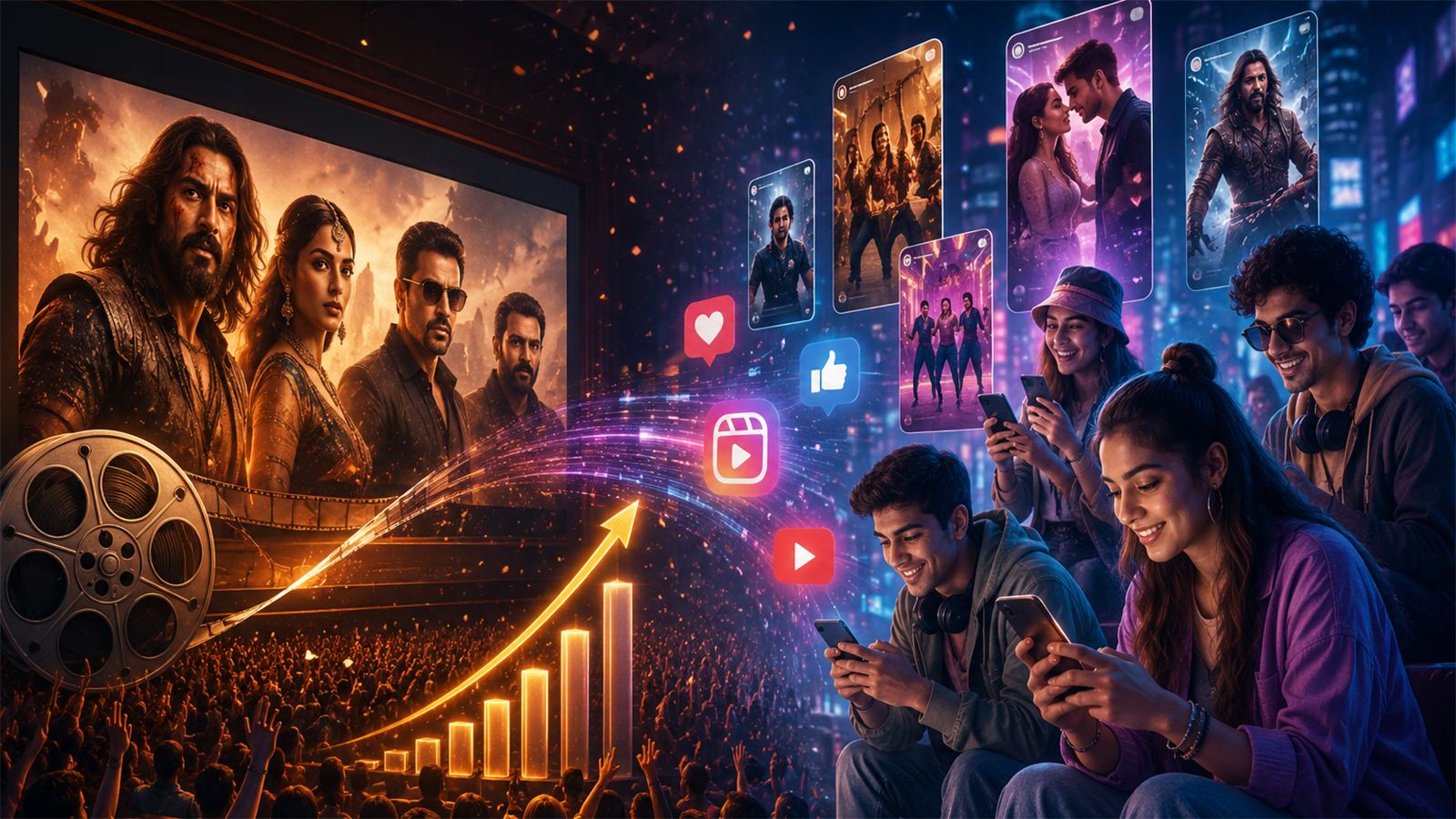
Gen Z audiences represent another influential group. For many of them, watching films is also a social activity. They are often drawn to content that performs well on social media, looks appealing on platforms like Instagram, and encourages online discussion.
The report identifies the F3s, or Frequent Film Fanatics, as the industry’s most loyal moviegoers. They watch nearly eight films every year and are often among the first people to buy tickets during opening weekends. Their consistent support remains valuable for theatrical releases.
Masala Men continue to favour star-driven entertainers filled with action, drama, and crowd-pleasing moments. At the same time, Spectacle and Story Seekers look for a combination of engaging storytelling and a grand cinematic experience. If those elements are missing, many prefer to wait for streaming releases.
The report also highlights the growing influence of younger audiences on box office collections. People under the age of 30 contribute 57% of ticket sales and account for 70% of opening day business. Their preferences are increasingly shaping the success of new releases.
Social media is playing a larger role in audience engagement than ever before. According to the findings, 40% of viewers share movie-related memes after watching a film. This behaviour helps extend conversations around films beyond the theatre experience.
The study also sheds light on why some people do not visit theatres more frequently. While ticket prices remain a concern, food and beverage costs generate even more complaints. Expensive popcorn, snacks, and drinks continue to be major issues for many moviegoers.
The findings suggest that understanding audience behaviour has become a crucial part of the film business. Creating a successful film is important, but recognising what different viewers want may be equally essential in today’s market.