Bollywood has long talked about taking risks, being original, and the importance of backing fresh voices. However, what many insiders promise in interviews rarely translates on the big screen.
Despite poor audience reception, nothing really seems to be changing in 2026, as its current theatrical calendar reportedly looks less like a creative marketplace and more like an IP stock exchange, where the safest bet is the most familiar title.
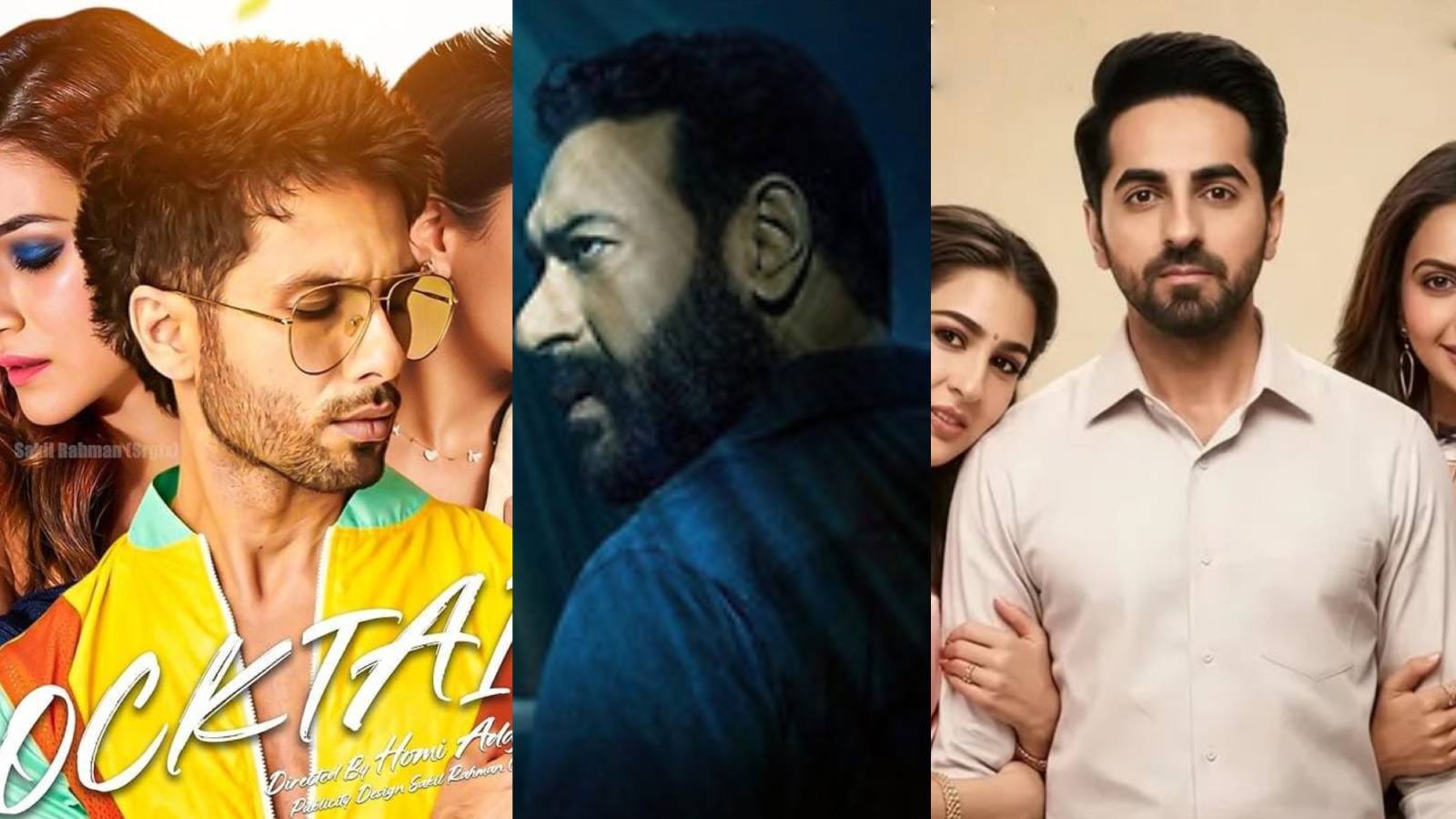
The release calendar is a reflection of this “IP exchange.” Currently the titles in the pipeline for 2026 are Pati Patni Aur Woh Do, slated for May 15; Cocktail 2, on June 19; Welcome To The Jungle, on June 26; Dhamaal 4, on July 3; Bhediya 2, on August 14; Khosla Ka Ghosla 2, on August 28; and Drishyam 3, on October 2.
According to a recent report by Bollywood Hungama, this line-up isn’t just “sequel-friendly” but rather a sign that the current ecosystem is leaning heavily on known legacy titles to make box office numbers.
As it stands, sequels and franchises are no longer an occasional strategy for production houses; instead, they’re becoming their operating systems.
Industry insiders are now questioning whether the franchise boom is a sign of strength or a striking proof that original mainstream ideas are no longer trusted for scale in Bollywood.
A seasoned trade analyst revealed that “Everyone says they want original content. Then the first question in the room is, ‘Is there a franchise hook?’ That tells you everything,” highlighting the current mood of the industry.
This pattern has been glaringly evident over the last two to three years as films like Singham Again, Bhool Bhulaiyaa, Housefull 5, Jolly LLB 3, Raid 2, and more reinforced the industry’s obsession with known brands.
Now, with films like Don 3, Krrish 4, and Animal Park in the conversation, the question of originality in these films and its lack thereof is often discussed as audiences demand original ideas.
However, original scripts aren’t extinct. They still get written, and some still get made, but they are increasingly denied the kind of scale, theatrical confidence, and pre-release oxygen that franchise films receive automatically.
One trade analyst noted, “A sequel can survive a weaker trailer because memory does half the marketing.” An original film has to be sold like a new religion in 30 seconds.”
A prominent exhibitor additionally revealed that “Bollywood isn’t addicted to sequels because sequels always work.” Bollywood is addicted to sequels because they reduce fear inside boardrooms.”
While it’s true that all new-age films might not break box office records on the first go, it’s important to note that they are the ones that keep the audiences actively engaged with the experience of watching cinema at large.
As the industry gets structurally dependent on building on top of already hit titles, the question arises whether the industry will revert back to taking risks with original ideas and unconventional stories.