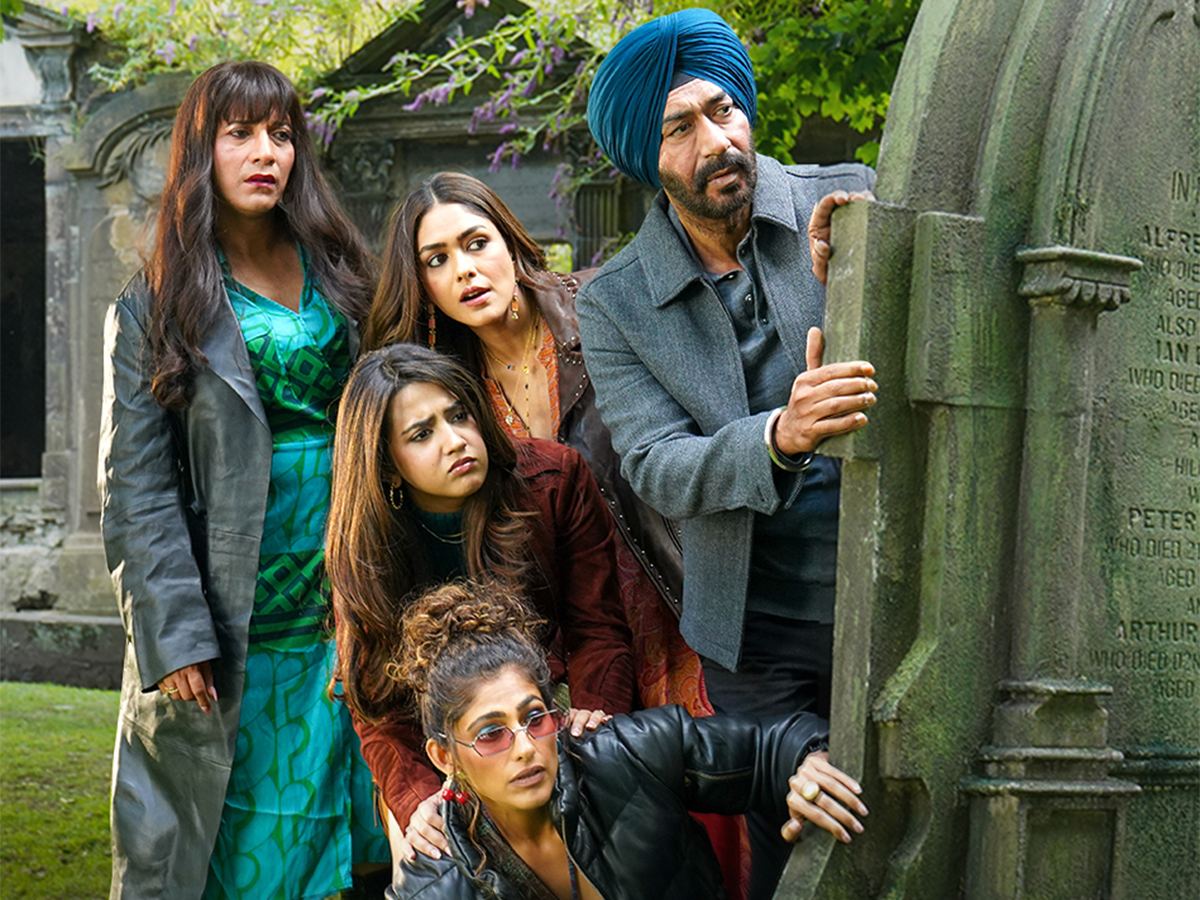
Son of Sardaar 2, Ajay Devgn’s upcoming sequel to his 2012 hit, has been banned in all Gulf countries due to the presence of a transgender character portrayed by Deepak Dobriyal. The Gulf region is known for its conservative stance on LGBTQ+ rights and identities, which often leads to censorship of films featuring such narratives.
The inclusion of this character in a mainstream Bollywood movie stands in contrast to the legal and cultural standards of countries like Saudi Arabia, the United Arab Emirates, Qatar, Oman, Bahrain, and Kuwait.
These nations generally do not recognize transgender individuals legally, and any reference to non-traditional gender identities is frequently viewed through a stigmatized lens. In this context, Son of Sardaar 2 breaks new ground by casting a transgender woman in a meaningful supporting role, signaling Bollywood’s gradual shift toward inclusivity.
Deepak Dobriyal’s character, according to recent interviews, is not reduced to mockery or comic relief but is handled with sensitivity and emotional depth, a rarity in commercial Indian cinema.
This progressive choice has sparked debate across both Indian and international audiences. Many have condemned the Gulf ban, arguing that cinema should be a space for creative freedom and that every filmmaker should have the right to portray diverse human experiences.
At the same time, others maintain that nations are within their rights to protect their cultural and moral frameworks, no matter how restrictive they may appear from the outside.
The decision to block Son of Sardaar 2 highlights an ongoing clash between evolving cinematic values and entrenched regional censorship norms. Critics believe this ban underscores the urgent need for dialogue and reform around LGBTQ+ visibility in the Gulf.
While Indian viewers prepare to watch the film, its absence in the Gulf sends a broader message about the limits placed on representation and the long road ahead for true inclusivity in global media.
The ban isn’t simply about a film’s narrative choices—it’s a denial of visibility for a community that seeks to be seen, respected, and humanized. Son of Sardaar 2, through one character, challenges decades of invisibility, and this bold step forward deserves more than a closed door from the global stage.