For years, Bollywood has largely treated influencers and YouTube creators as promotional assets. They frequently appear in cameos, participate in marketing campaigns and occasionally secure supporting roles in films. However, a different trend is emerging globally, where creators are increasingly stepping into filmmaking roles rather than simply appearing on screen.
Several international success stories highlight this shift. Creator-filmmakers are moving beyond content creation and developing original films that resonate with mainstream audiences. Their success is being driven not by follower counts but by strong storytelling and fresh ideas.
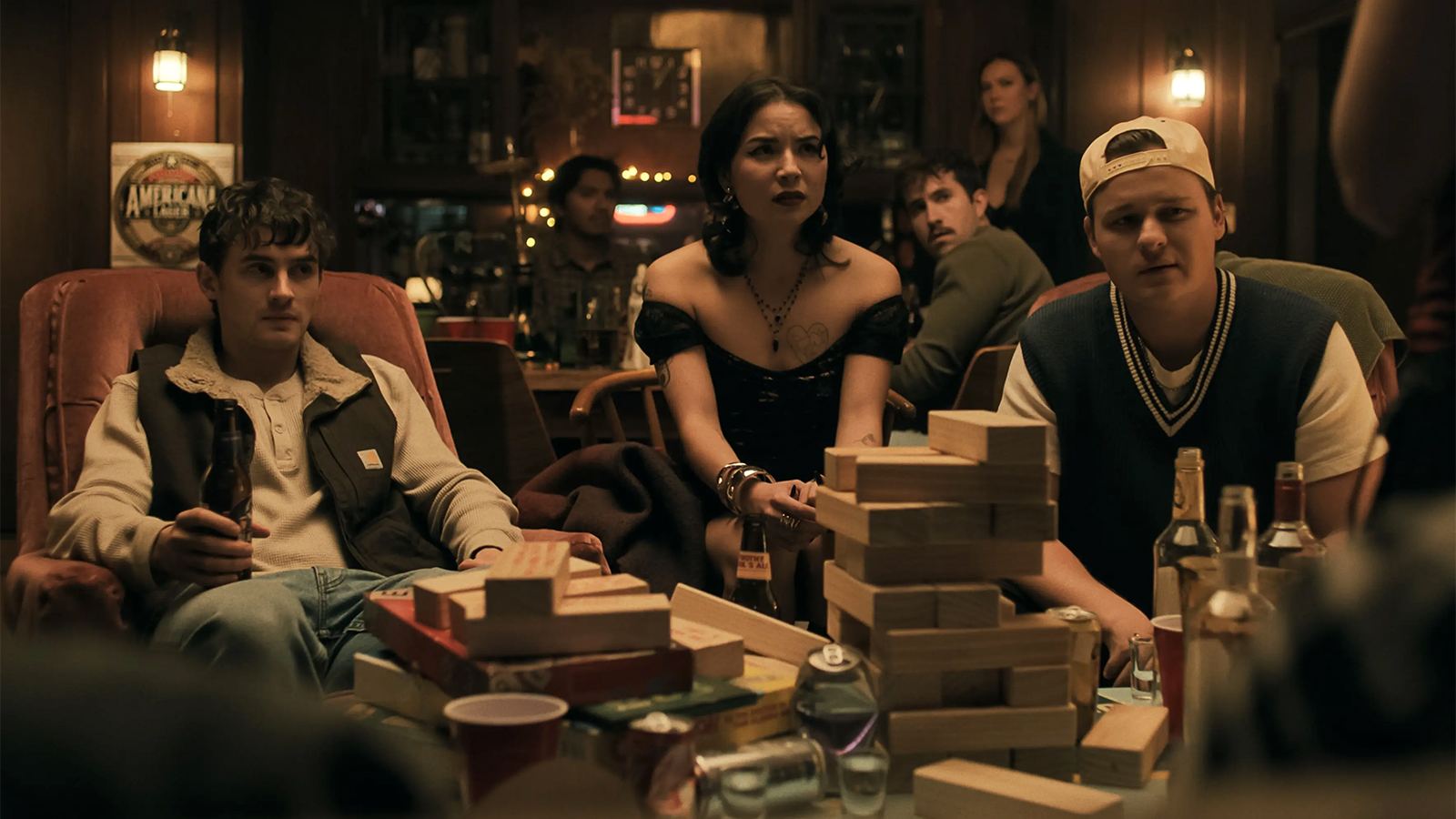
One example is Curry Barker, who reportedly transformed a small concept into the psychological horror film Obsession. The project gained significant attention and demonstrated how independent creators can build successful films around compelling concepts and innovative execution.
Another notable example is the Australian YouTube duo RakaRaka, who transitioned from producing online content to directing Talk to Me. The film became one of the most acclaimed horror releases in recent years and earned praise for its originality and creative vision.
Similarly, Kane Parsons made a successful leap from creating Backrooms videos on YouTube to directing a feature backed by A24. His journey reflects how digital creators are increasingly being recognised for their creative potential beyond social media platforms.
The common factor behind these success stories is not internet fame but original ideas. These creators succeeded because they developed concepts capable of standing on their own merit. Major studios are showing a growing willingness to support unconventional talent when the storytelling is strong enough.
This raises an important question for Indian cinema. Despite having a vast creator ecosystem, similar transitions remain relatively rare. Many influencers entering mainstream entertainment are often integrated into existing industry structures rather than being given opportunities to develop their own creative projects.
In many cases, creators are cast in supporting roles or used as marketing attractions because of their online popularity. However, subscriber counts do not automatically translate into box-office success. Audiences ultimately respond to engaging trailers, strong stories and positive word of mouth.
Ironically, many creators already possess a wide range of filmmaking skills. They often write, direct, edit, produce and perform in their own content. Through years of audience interaction, they have developed a deep understanding of viewer preferences and engagement patterns.
The challenge is that many creators struggle to move beyond the identity that originally made them famous. The most successful projects are often those that break away from familiar online formulas and attempt to build entirely new worlds and narratives.
Bhuvan Bam’s Taaza Khabar is frequently cited as an example of this approach. Rather than extending a familiar YouTube format, the series attempted to create a distinct universe and storytelling style. Similarly, Ashish Chanchlani’s Ekaki generated significant attention by exploring the horror genre through a different creative lens.
Internationally, many creator-led success stories have emerged when influencers stepped behind the camera instead of placing themselves at the centre of every project. This shift has allowed them to focus on storytelling and filmmaking rather than personal branding alone.
If Bollywood is genuinely searching for fresh voices and original ideas, it may not need to look beyond the creator community. Across digital platforms, thousands of creators are already experimenting with stories, testing concepts and building audiences every day.
The next major filmmaking breakthrough could very well come from a creator who is currently uploading videos online. As global trends continue to evolve, the gap between digital content creation and mainstream filmmaking is becoming smaller than ever before.