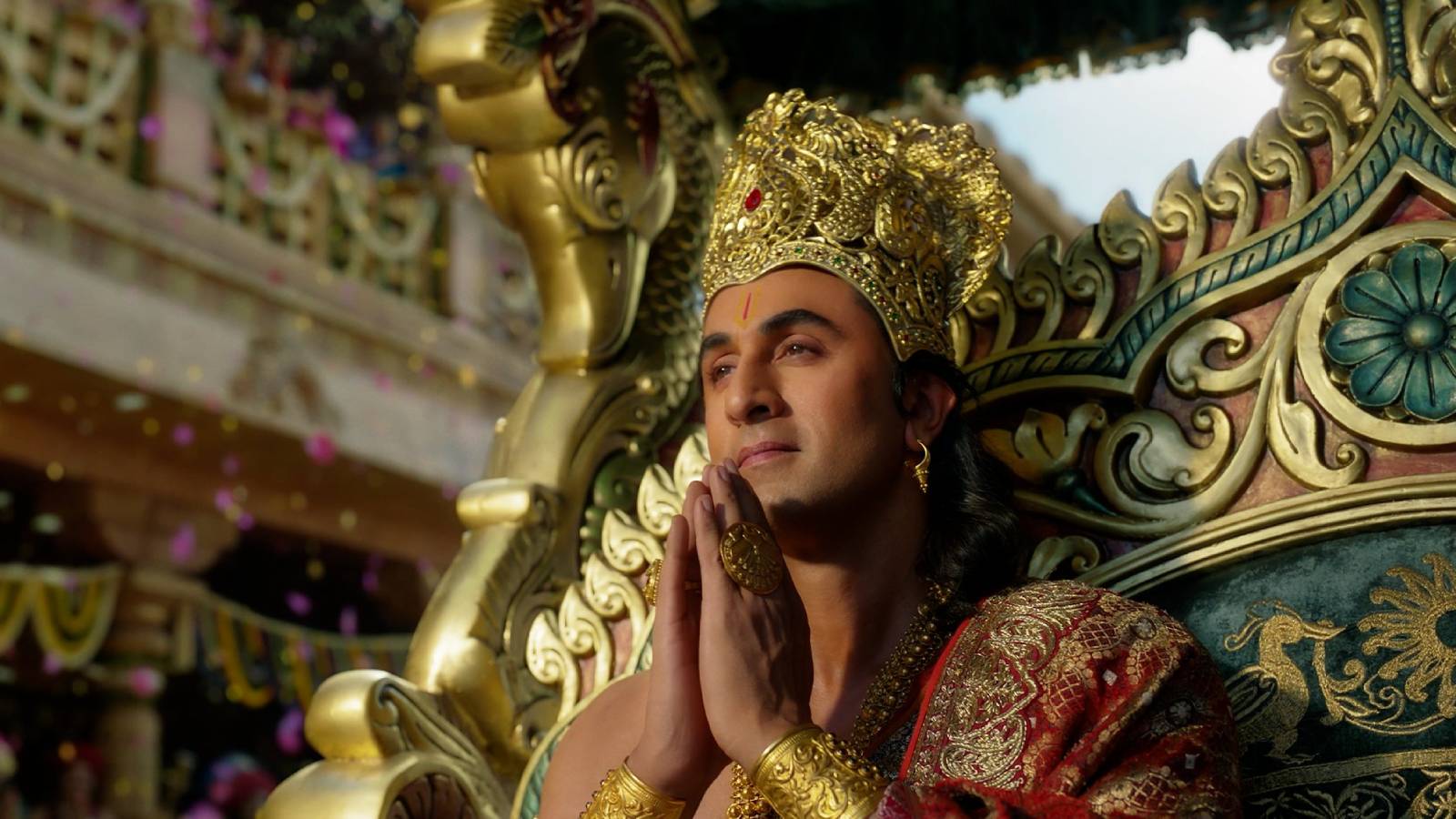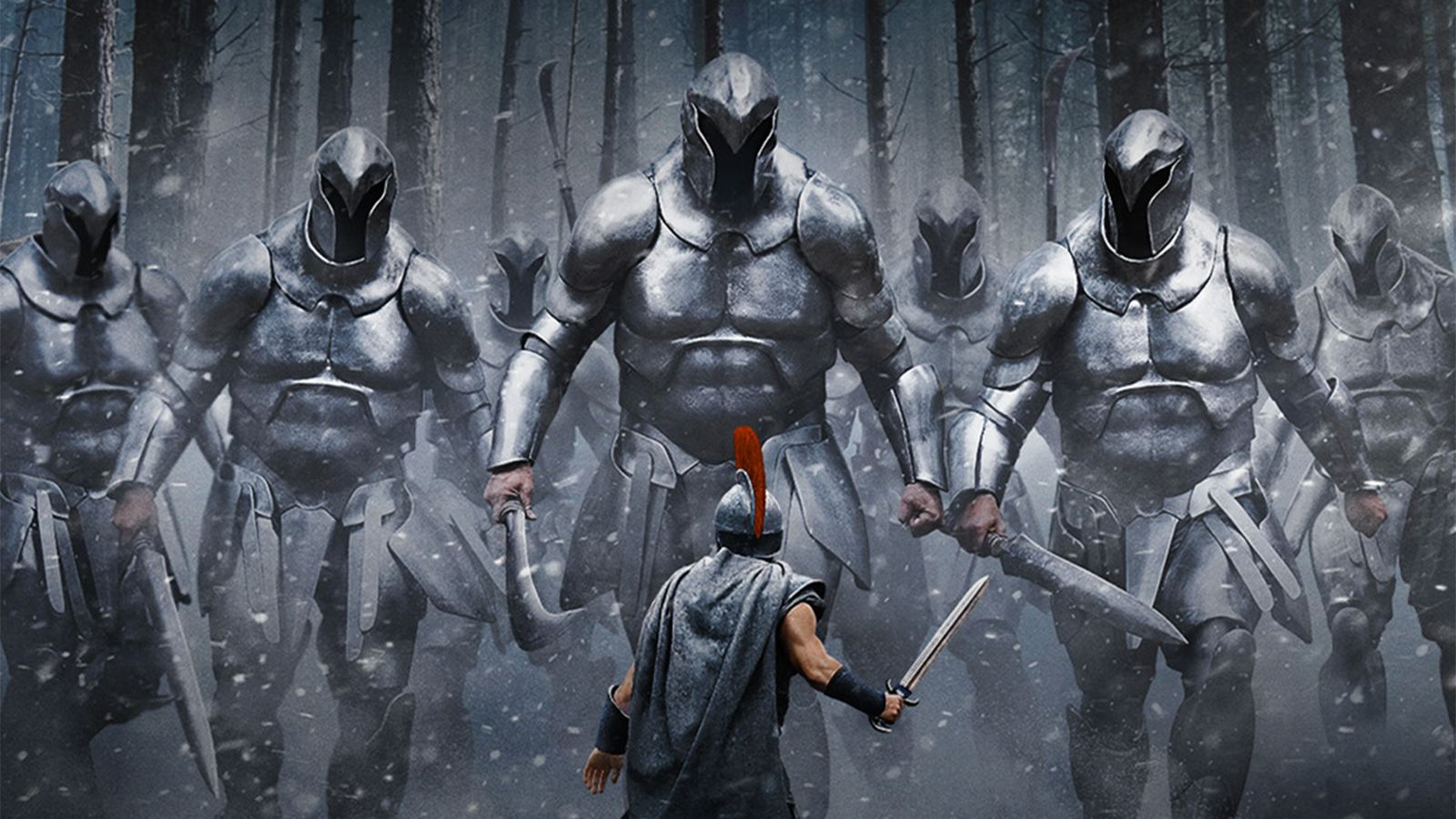
Christopher Nolan’s IMAX epic The Odyssey has triggered a massive wild theory on social media: Did Homer copy the Ramayana?
Viewers are pointing out two massive similarities that feel way too specific to be a coincidence: the epic struggle of a husband fighting for years to get back to his faithful wife, and a dramatic climax where the hero must string a giant, magical bow that no ordinary man can lift.
So, did the ancient Greeks slide into India’s DMs to steal their plot? Not exactly.
While the surface elements look identical, the context is completely flipped. In the Ramayana, Rama strings the bow at the very beginning of the story during a Swayamvaram to win Sita’s hand in marriage.
In The Odyssey, the bow contest happens at the very end. Odysseus is already married; he sneaks into his own palace disguised as a beggar to shoot the bow, reclaim his throne, and kill the greedy suitors crashing his house. (Fun fact: This climax actually shares a much closer setup to the Mahabharata, where a disguised Arjuna wins Draupadi by nailing a difficult bow-and-arrow target).
Mythologists call these similarities polygenesis: the idea that humans across the globe naturally invent the same stories because our brains are wired the same way. A mighty bow represents the ultimate test of supreme power, whether you are in ancient Greece or ancient India.
Plus, ancient trade routes meant bards and merchants frequently exchanged folktales over campfires. The resulting similarities aren’t a cheap copy-paste job or a total accident.
They are just proof that thousands of years ago, two completely different cultures looked at love, loyalty, and badass weaponry, and ended up telling the exact same kind of awesome story.