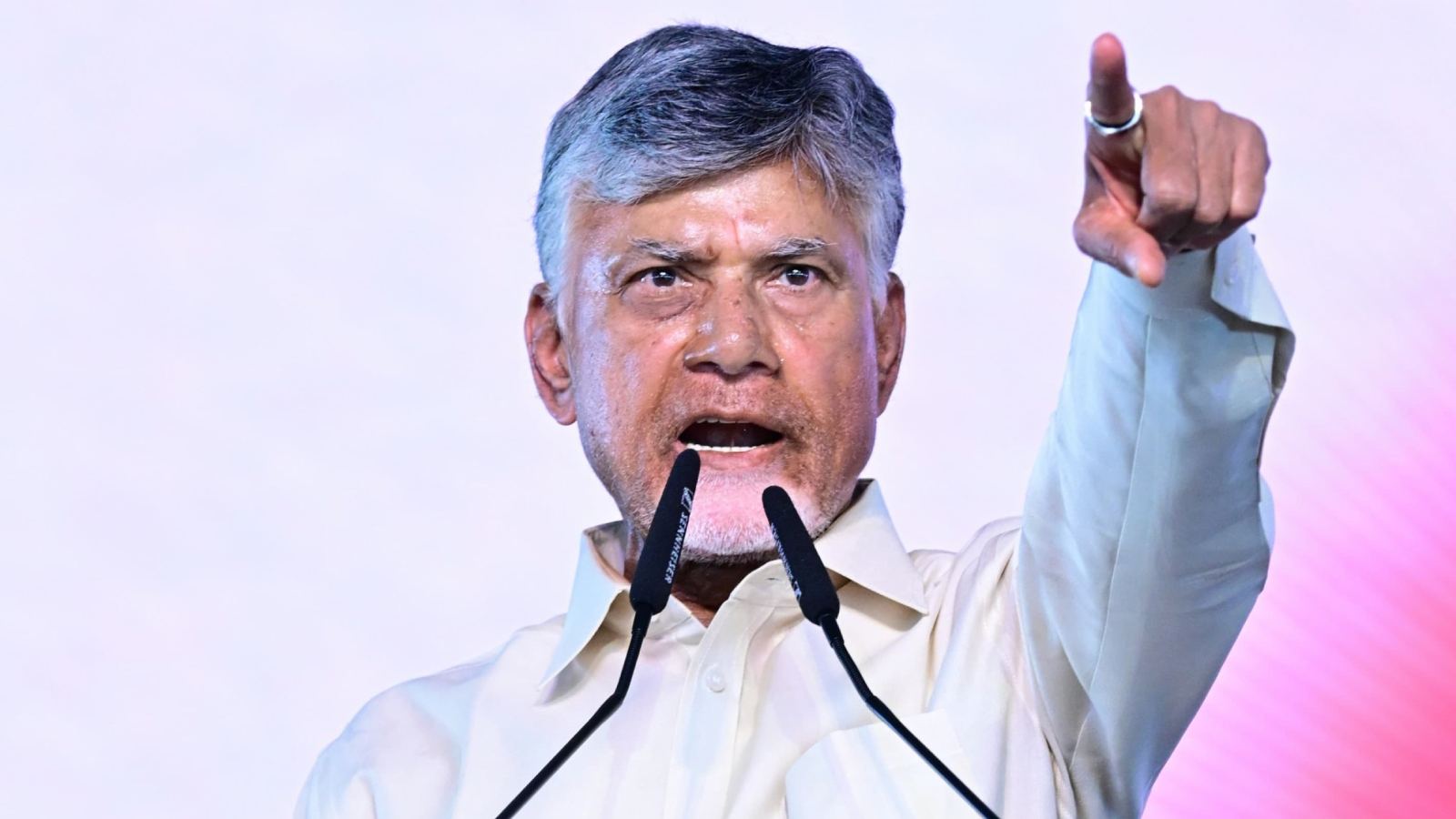
Andhra Pradesh Chief Minister N. Chandrababu Naidu has formally returned to the Amaravati Secretariat following a high-intensity, week-long tour spanning Nellore, Tirupati, Kadapa, and Chittoor districts.
Stepping straight from a gruelling schedule of public grievance resolutions and mega-project groundbreakings, the Chief Minister immediately convened a high-level review meeting to anchor the state’s next massive growth phase.
The focus of this administrative huddle centers on the total structural activation of the state’s newly designated Three-Region Economic Zones alongside performance evaluation of the Real-Time Governance Society.
By pairing data-driven corporate tracking with a geographically balanced growth blueprint, the administration is moving aggressively to permanently reshape the economic landscape of Andhra Pradesh.
At the absolute core of this economic strategy is a definitive departure from single-city centralisation, favouring instead three massive growth engines tailored to the specific strengths of their geographic clusters.
The Visakhapatnam City Economic Region is being aggressively positioned as a heavy manufacturing, maritime logistics, and high-tech capital encompassing the north-coastal districts.
Concurrently, the Amaravati Economic Region is structured to harness central coastal trade, agricultural technology, and core administrative expansion, while the Rayalaseema City Economic Region, cantered around Tirupati, is being systematically transformed into a powerhouse for clean energy, electronics, and heavy industrial hubs.
Supported closely by master-planning expertise from NITI Aayog, this zoned framework divides the state’s districts into precise operational clusters, each overseen by dedicated executive boards and senior bureaucratic leadership to ensure rapid execution.
To successfully drive an economic model of this scale without bureaucratic delay, the administration is heavily leaning on a fully revamped Real-Time Governance Society framework.
Operating out of the Secretariat, the RTGS is being weaponised as the ultimate data hub to track Key Performance Indicators, infrastructure bottlenecks, and citizen service delivery across all three zones simultaneously.
By leveraging unified citizen data lakes and real-time surveillance networks, the government aims to wipe out red tape and give global investors absolute transparency regarding project progress.
This tactical convergence of digital command centers and localised economic zones marks a highly calculated effort to prove that Andhra Pradesh can distribute wealth equitably across North Andhra, Central Coast, and Rayalaseema while maintaining a blistering pace of industrial growth.