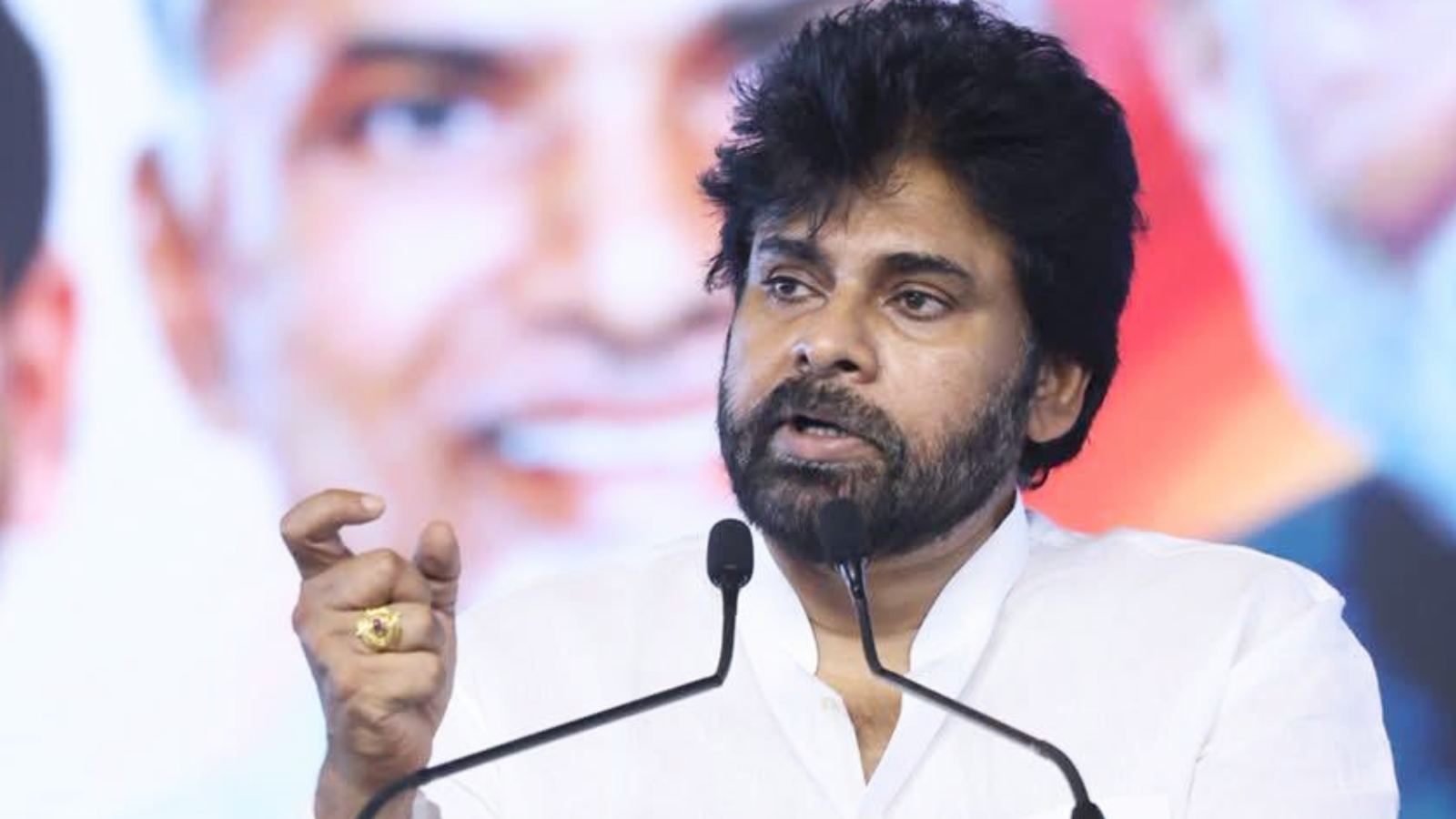
The political landscape of Andhra Pradesh saw a major shift this weekend during a massive NDA alliance meeting near Tirupati. At the event, Deputy Chief Minister Pawan Kalyan gave a powerful speech. He made it clear that the current government’s victory was not just a regular election win, but a historic change for future generations.
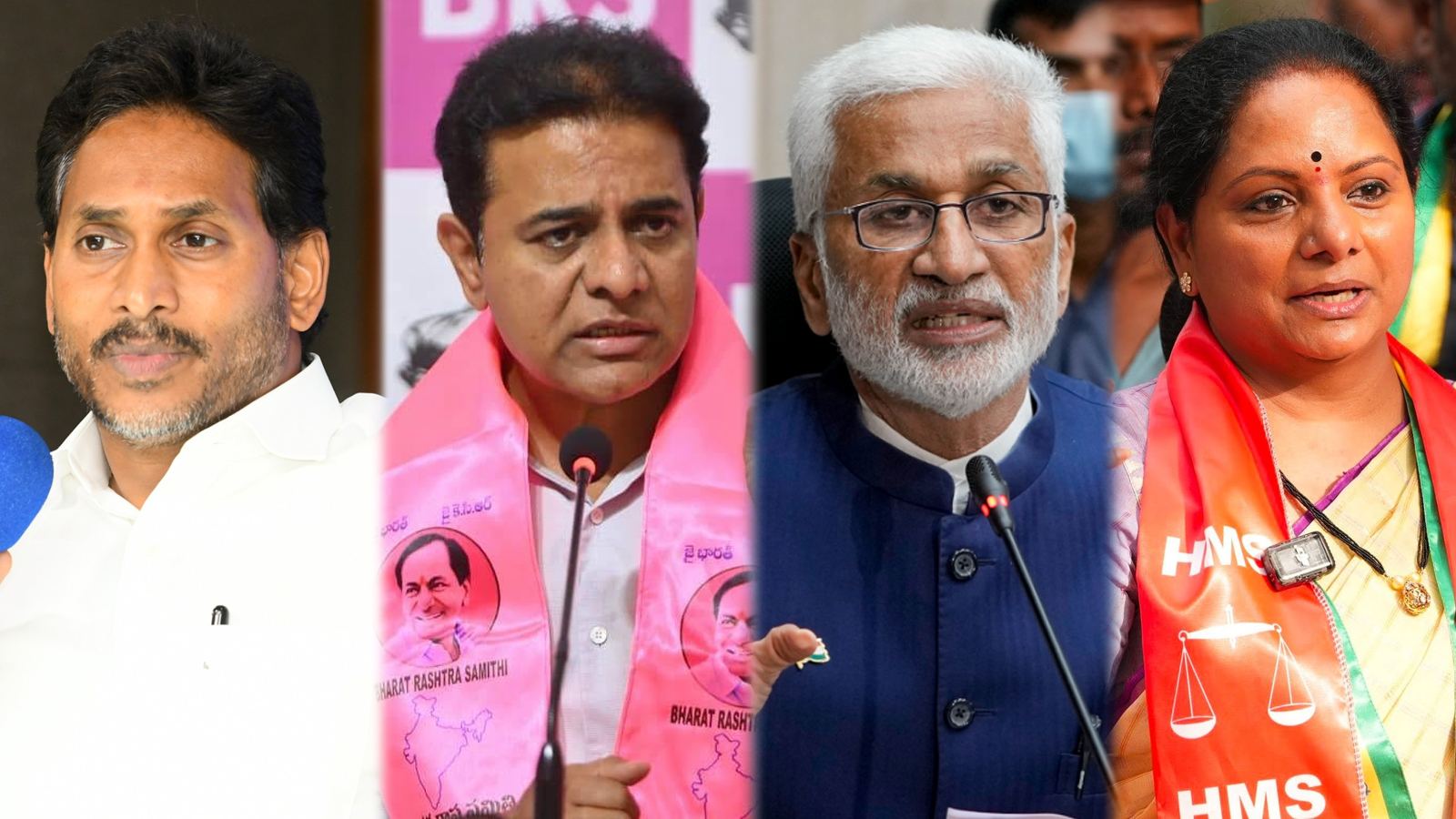
Kalyan’s speech focused on dismantling the political culture of the previous regime. He stated that the public mandate forcefully ended what he labeled the YSRCP’s “era of arrogance and absolute power.” Instead of analyzing the 2024 results through a simple lens of seat counts, Kalyan framed the outcome as a collective, democratic rebellion against institutional high-handedness.
For an electorate that spent years navigating heavy polarization, his choice of words directly tapped into the residual sentiment of voters seeking a shift toward administrative humility and accessibility.
Beyond the sharp critique of the opposition, the address sought to establish a clear ideological contrast in governance strategies. Kalyan emphasized that the current alliance government, comprising the TDP, Jana Sena, and BJP is strictly focused on building policies for future generations rather than just gaming the next election cycle.
This focus on structural longevity is a calculated shift, intended to assure citizens and institutional investors alike that Andhra Pradesh is moving away from volatile, short-term populism toward development, particularly in strengthening grassroots frameworks like the Panchayati Raj system.
The timing of this speech carries immense political weight. Coming on the heels of major structural developments, such as the allocation of upcoming Rajya Sabha seats between the alliance partners and the landmark passage of the AP Reorganisation (Amendment) Bill in the Lok Sabha, the Tirupati address serves as an ideological anchor.
By declaring the end of a confrontational political era, Pawan Kalyan is attempting to set a new benchmark for accountability, signaling that the true measure of the current government will lie in its ability to choose systemic growth over political survival.