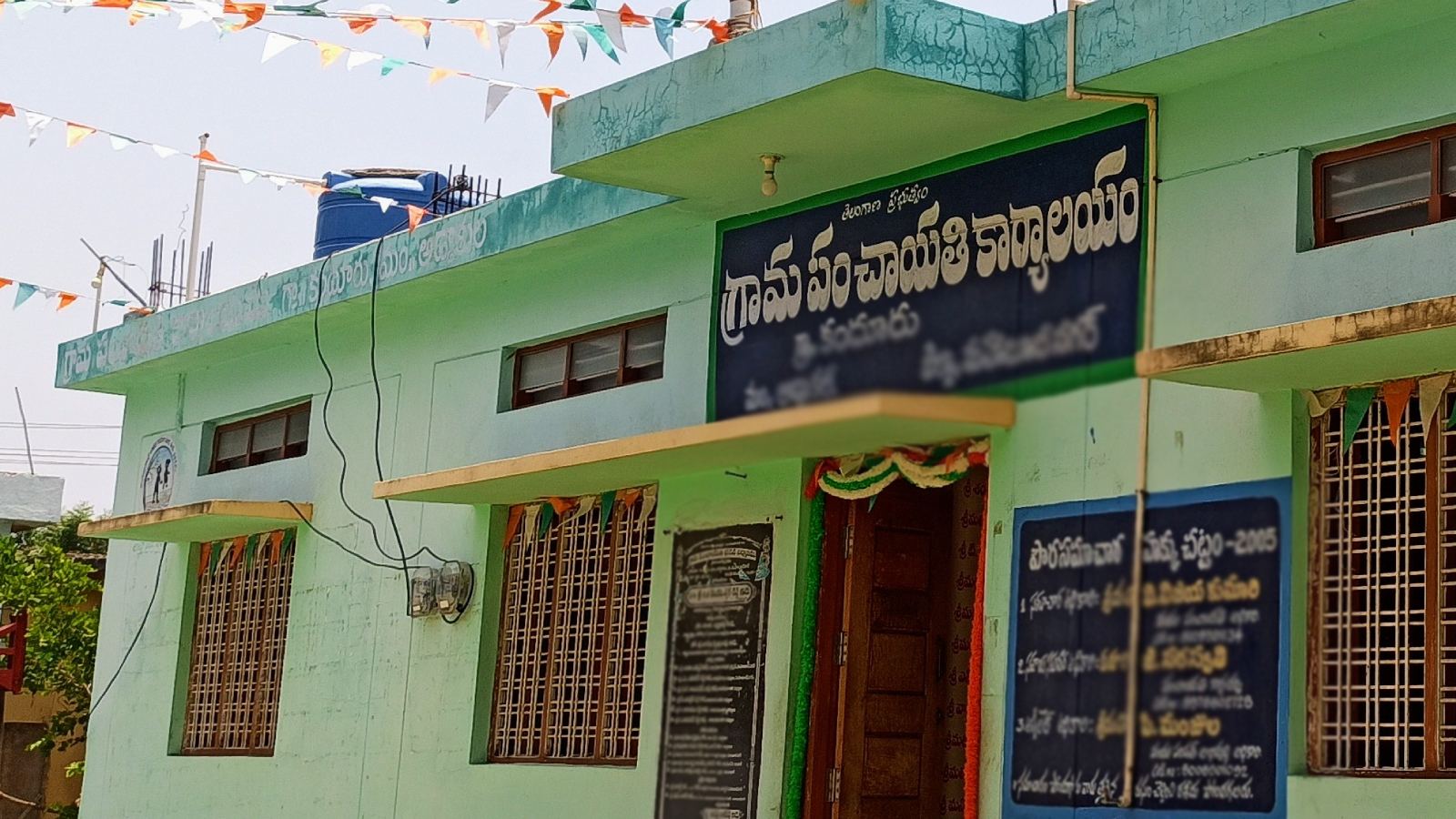
The Telangana Panchayat Raj department has launched a major operational shift by transforming how development capital is distributed to rural local bodies. Moving away from fixed, unconditional monthly grants, the state has formally implemented a new Performance-Linked Fund Allocation system.
Under this framework, 30 percent of a Gram Panchayat’s discretionary development budget is now tied to hitting concrete, measurable public service targets. This reform marks a fundamental shift toward strict accountability at the village level.
To unlock these funds, local bodies must meet benchmarks in waste management, environmental conservation, and local resource generation. Specifically, they are evaluated on solid waste segregation, the survival rate of new green cover, and digital tax collection growth.
By making development capital dependent on these outcomes, the state government aims to phase out casual management styles. This approach seeks to ensure that grassroots public works are no longer stalled by a lack of active accountability.
While analysts praise this outcome-based structure, the model faces significant challenges due to existing resource and training gaps. Smaller Gram Panchayats often lack the specialized staff, technical tools, and digital accounting setups required to track these metrics.
Local representatives argue that withholding funds from resource-starved villages could inadvertently widen the development gap. This remains a primary concern for those worried that struggling regions will be left with even fewer resources for basic infrastructure.
The success of this policy will depend on how the Panchayat Raj department supports local bodies through this transition. Effective implementation requires targeted capacity building, specialized training for village secretaries, and investments in essential tools.
As the initial rollout is underway, policymakers are watching to see if this mandate drives structural improvement. The goal is to balance strict financial discipline with the real-world operational challenges faced by rural communities.