Online shopping has become a regular part of daily life. It offers convenience, wide choice and competitive pricing for consumers across India.
Platforms like Amazon have built strong trust over the years. However, recent incidents show that even established systems can face serious lapses.
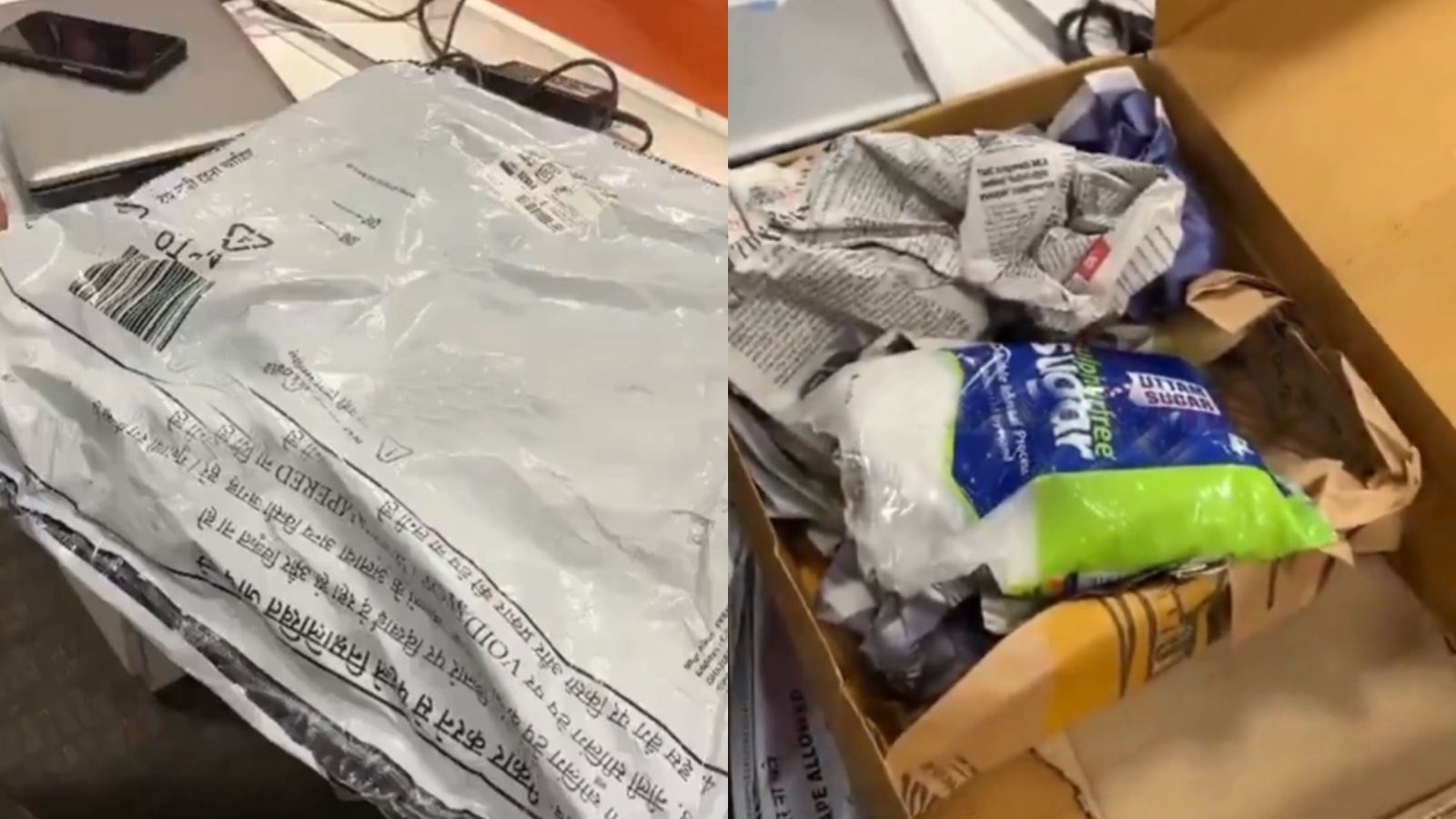
In a case reported by Pune Mirror, a buyer ordered a high-value GPU worth ₹2.7 lakh. Instead of the product, the customer reportedly received a packet of sugar.
This is not just a delivery error. It raises concerns about accountability, packaging security and verification in e-commerce supply chains.
Such incidents point to possible failures at multiple levels. These include warehousing, logistics and last-mile delivery processes.
From a legal standpoint, consumers in India have protection under the Consumer Protection Act, 2019. The law provides a framework to address such complaints.
Affected buyers can approach consumer courts or use the National Consumer Helpline. However, the process can take time and may discourage some users.
This case highlights the need for stronger safeguards. Better tracking systems and faster grievance redressal are essential.
As online shopping continues to grow, maintaining consumer trust must remain a top priority for e-commerce platforms.
In a shocking case of online fraud, a buyer who ordered a GPU worth ₹2.7 lakh from Amazon received a packet of sugar instead. The incident raises serious concerns about e-commerce accountability. In India, consumers are protected under the Consumer Protection Act, 2019, and can… pic.twitter.com/HpSgb4Eeep
— Pune Mirror (@ThePuneMirror) March 24, 2026