In the digital age, unbiased information is one of your biggest concerns as an internet user. Online encyclopedias have made knowledge accessible, but the neutrality of what you read remains an unresolved debate that continues to spark global conversations.
Many users believe certain platforms highlight selective narratives while ignoring alternative viewpoints. This has created strong demand for balanced platforms that present information fairly, without favouring one side of a story over another.
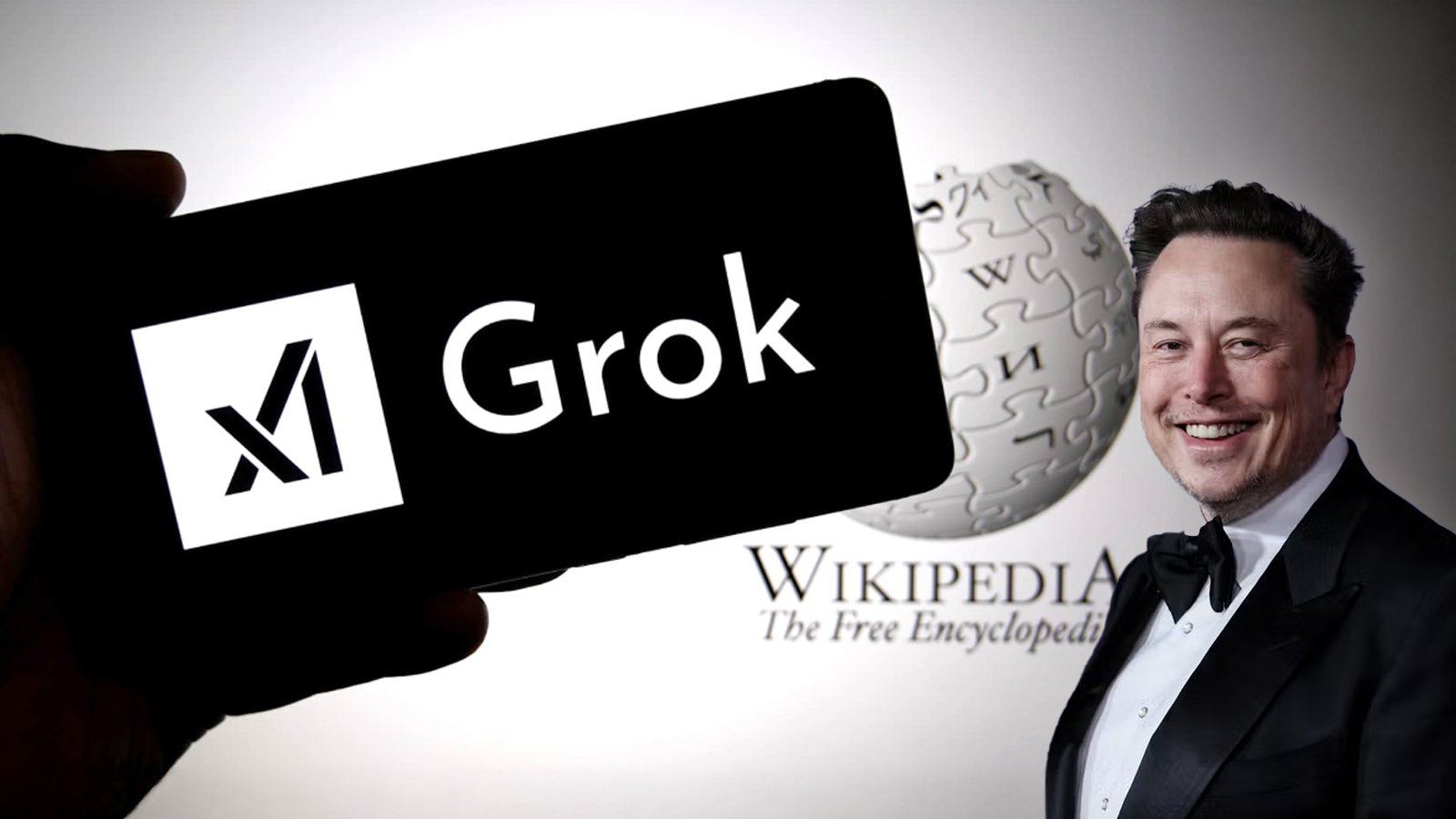
Elon Musk has entered this debate with his project “Grokipedia,” which he says will counter Wikipedia. Musk argues that Wikipedia no longer remains neutral and instead reflects the influence of what he calls left-leaning activists shaping its content.
He claims Grokipedia will be better than Wikipedia, an ambitious goal given Wikipedia’s global dominance and reputation. Musk’s plan challenges one of the most widely trusted online knowledge sources and has already triggered sharp discussions across communities.
The launch of Grokipedia raises important questions. Competition may push transparency and encourage diversity in knowledge-sharing. But achieving true neutrality is difficult, and if the platform drifts in the opposite direction, it risks turning into another echo chamber.
For now, users will watch closely. If Grokipedia delivers balanced knowledge, it may win those who feel underserved by existing platforms. If not, it will only add to the growing divide in how information is created, shared, and trusted online.