Social media feels safe until one wrong message turns into a nightmare. While these platforms connect people, they also give criminals an easy hunting ground. When trust breaks, the damage spreads fast and recovery becomes difficult.
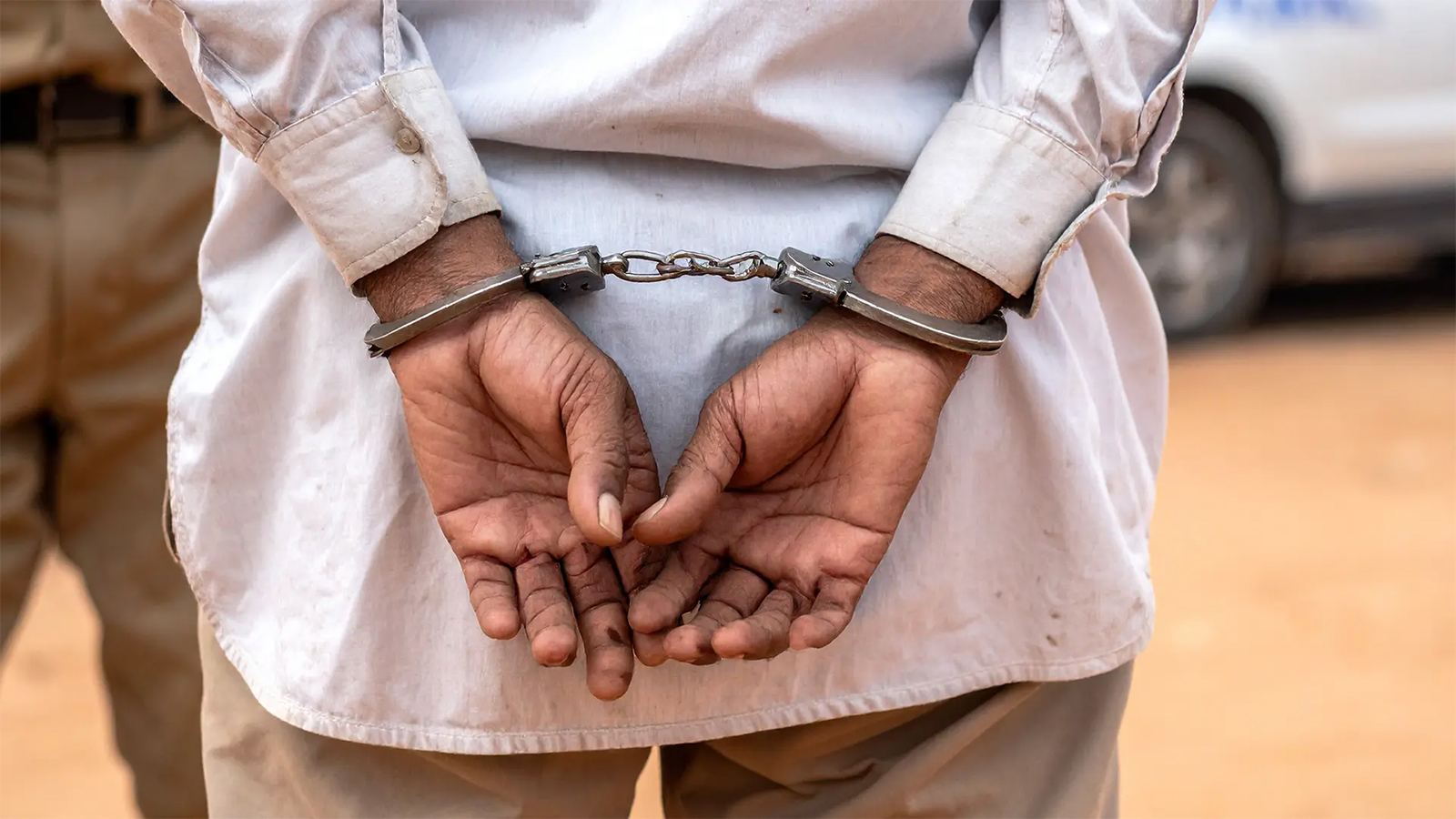
A recent case in Jabalpur shows how deep the problem runs. Three accused, Ragini Sharma, Vivek Tiwari and Sahil Barman, ran an organised sextortion racket. The group used fake profiles and emotional traps to draw victims into dangerous situations.
Ragini contacted men online and built trust through conversation. Meetings followed. Private moments were secretly recorded. The gang then demanded huge sums by threatening false rape complaints and public exposure. Fear became the tool. Silence became the price.
This case shocked many because two police officers are also under suspicion. When trust in law enforcement breaks, the impact feels heavier than the crime itself. People expect protection. Not betrayal. The damage in such cases goes beyond money.
DSP Ritesh Shiv and the Jabalpur Police acted quickly to crack the operation. Their work shows how timely action stops further harm. Fast response saves victims from pressure that often turns into lifelong trauma.
False accusations destroy lives and weaken real cases. Genuine survivors deserve justice without doubt or delay. Misuse of serious laws hurts both sides and makes accountability harder. Law exists to protect, not to threaten.
This incident sends a clear warning. Online silence gives criminals power. Reporting early limits damage. Staying alert protects identity and dignity. Digital safety now matters as much as real-world safety.
SEXTORTION RACKET BUSTED IN JABALPUR
Ragini Sharma, Vivek Tiwari, Sahil Barman – all in their early 20’s ARRESTED BY @jabalpurpolice for running a sextortion racket
Ragini would befriend men on social media, invite them to meet, shoot their video & then threaten with a… pic.twitter.com/sYjc2SIxU4
— Deepika Narayan Bhardwaj (@DeepikaBhardwaj) December 2, 2025