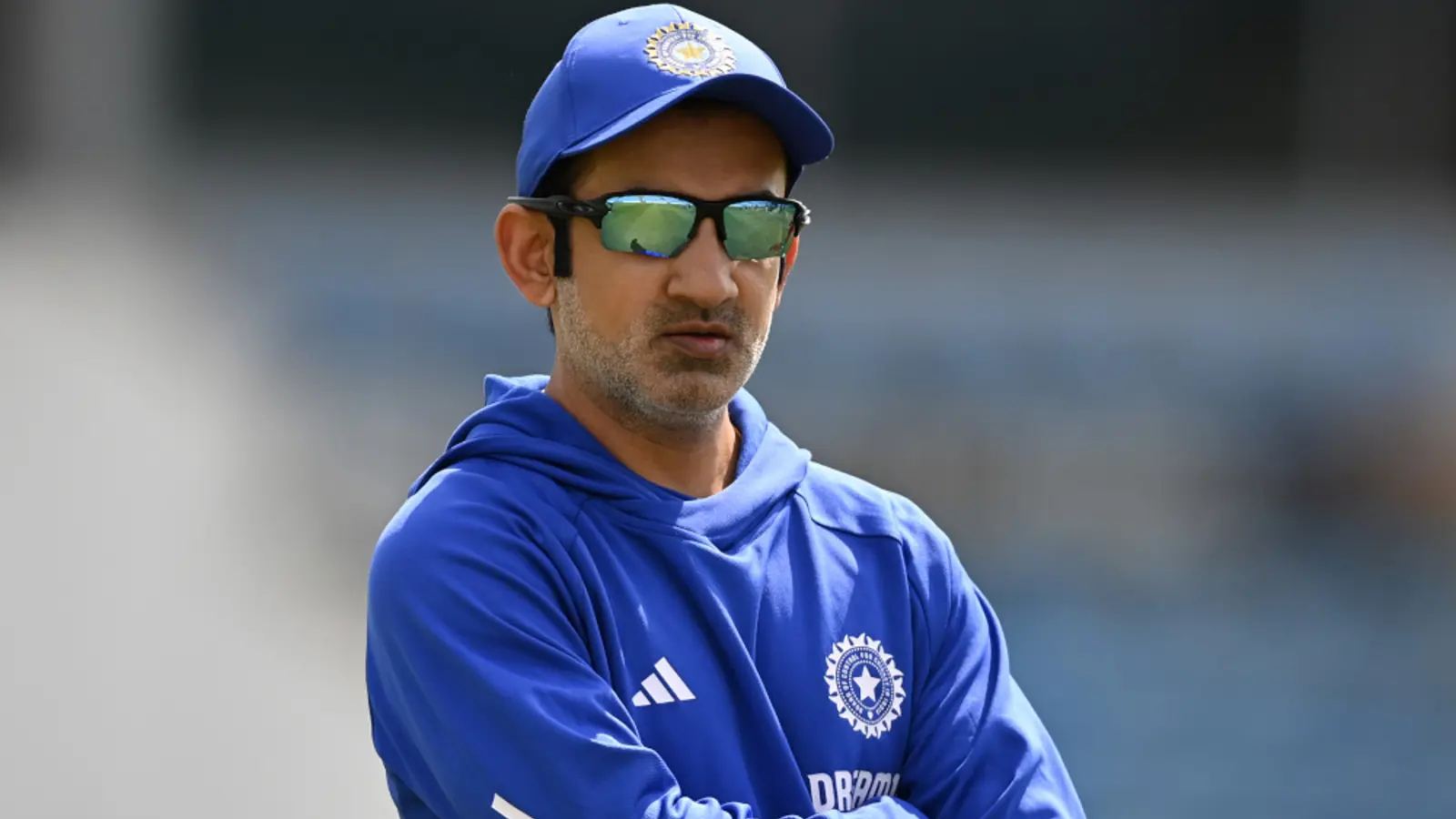
Team India under Gautam Gambhir is no longer built on comfort or fixed roles. Since taking over as head coach after the T20 World Cup 2024, he has pushed players into constant adjustment and adaptability.
Flexibility Over Fixed Roles
Batting orders are flexible, roles change frequently, and tradition takes a back seat. Gambhir believes quick adaptation gives India an edge over opponents. So far, however, the results of this approach have been mixed.
Impact Valued More Than Position
Gambhir’s philosophy focuses on impact rather than batting position, especially in white ball cricket. He feels slots after the openers matter less than what a player delivers in match situations.
ODI Experiments and Early Struggles
This thinking was evident in ODIs, where India lacked a settled top order early in his tenure. During the Sri Lanka series, players like Washington Sundar, Shivam Dube and Axar Patel were shuffled to suit match ups.
Reduced Testing With 2027 In Mind
India struggled in that series, leading to reduced experimentation in ODIs. However, with the 2027 World Cup approaching, the door remains open for further testing.
Test Cricket Brings Bigger Challenges
Test cricket has proven the toughest format for this approach. In January 2025, Rohit Sharma was dropped due to poor form despite being captain, marking a significant shift.
Exit of Senior Batters
Rohit soon retired from Tests, followed by Virat Kohli. This left India without its most experienced red ball batters and forced a rapid transition.
Leadership and Combination Changes
Shubman Gill was appointed captain and given the No.4 spot. Constant changes in batting and bowling combinations failed to deliver, highlighted by the home Test series loss to South Africa.
Split Leadership in White Ball Cricket
Experimentation has extended to leadership as well. Gill was named ODI captain for the Australia tour, replacing Rohit Sharma, even as senior players remained in the squad.
A Bold but Risky Long Term Plan
The strategy appears aimed at format specific leadership and building a younger core. While bold, it adds pressure in an already packed international calendar.
Risks of Too Much Flexibility
Gambhir has stated that he does not control selection, only player usage. While this brings clarity, excessive flexibility can create uncertainty, where role clarity is crucial.
Verdict Awaited in Big Tournaments
At its best, this approach can build a strong, adaptable team. At its worst, it can blur responsibility. The coming months and major tournaments will decide its true impact.