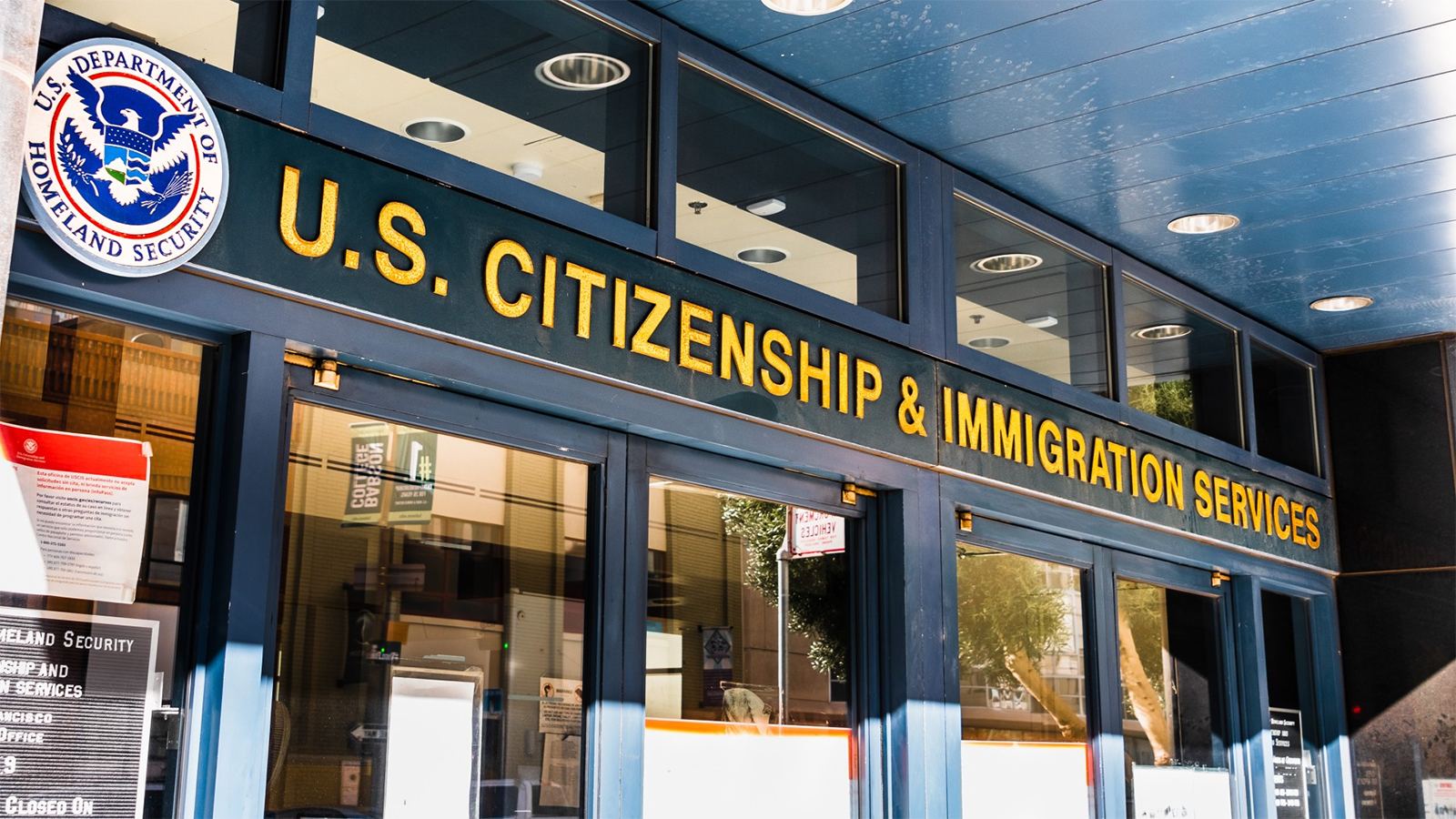
Immigration policies often balance national security with the promise of opportunity. As countries redefine what it means to welcome newcomers, debates grow sharper over who deserves these benefits.
USCIS Policy Update
The U.S. Citizenship and Immigration Services (USCIS) has announced a major update. Anti-American activity and social media vetting will now play a central role in evaluating immigrant benefit requests.
Focus on Ideologies
According to the USCIS Policy Manual, officers will carefully assess any links to anti-American, terrorist, or antisemitic groups. Even promoting such ideologies online can be considered a serious negative factor.
Impact on Applications
This affects applicants for green cards, parole, and investor visas. Past records, compliance with laws, and alignment with American values are now under stricter review.
Social Media Checks
The expansion of social media monitoring marks a new era in immigration vetting. Digital footprints are being treated as significant as traditional paper records.
Public Reactions
The move has drawn mixed reactions. Some argue that respecting host nation values is essential, making strict rules necessary. Others fear broad terms like “anti-American” may be used unfairly to reject applications.
Security vs Fairness
The policy aims to safeguard national interests. Yet, it has reignited the debate on where to draw the line between ensuring security and maintaining fairness in the immigration process.