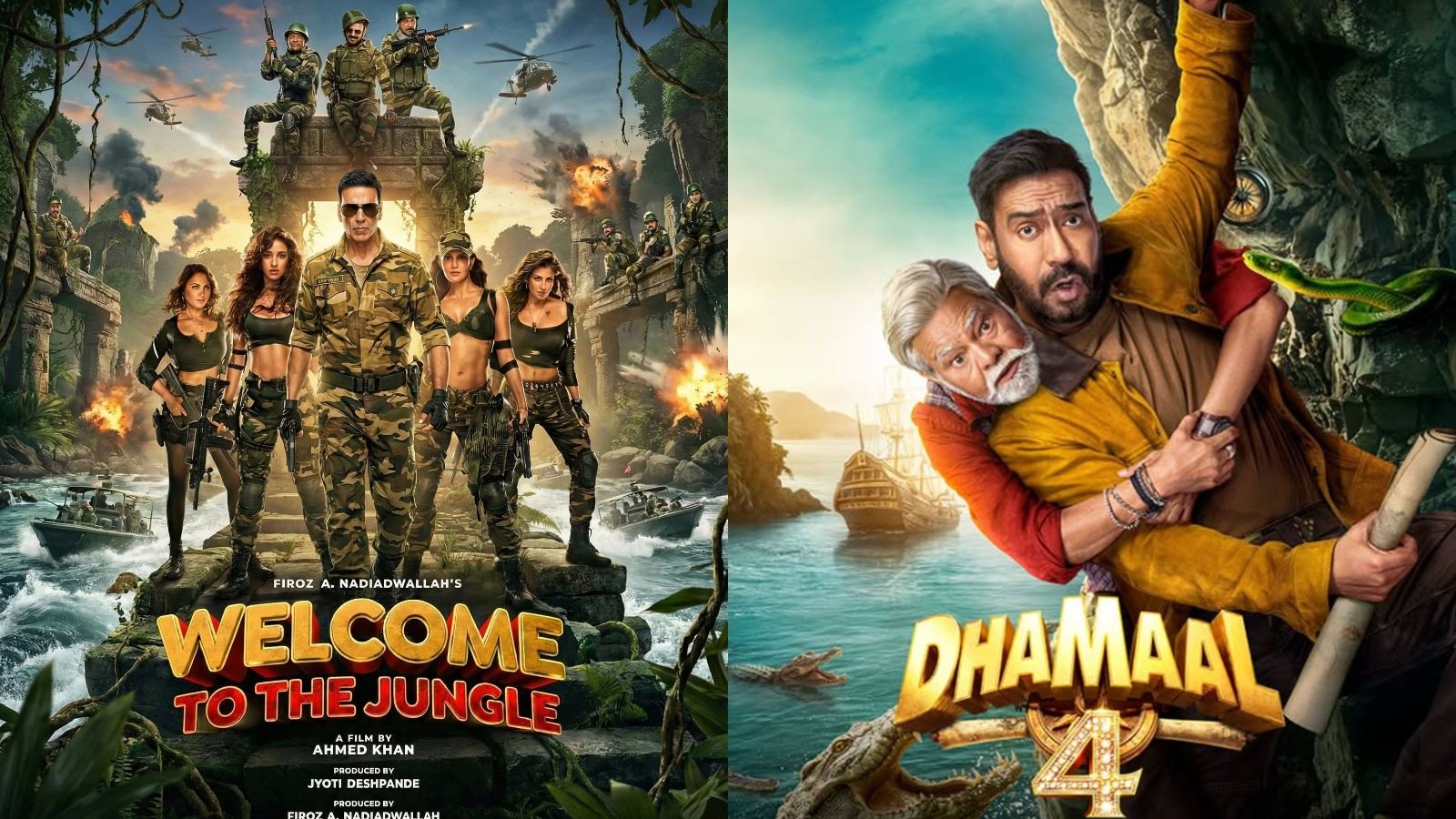
The first look posters of Welcome to the Jungle, Batwara 1947, and Dhamaal 4 have unexpectedly triggered a heated debate across social media. Many viewers believe the posters reflect Bollywood’s increasing dependence on AI-generated promotional material.
The criticism is not just about the quality of the posters. It also highlights a broader conversation about how audiences currently view the role of artificial intelligence in the entertainment industry.
In Hollywood, discussions around AI have largely focused on caution and resistance. The 2023 writers’ and actors’ strikes brought issues such as authorship, consent, and the future of creative work into the spotlight.
Many filmmakers have continued to emphasise the importance of human creativity and craftsmanship. Even when AI tools are used during production, studios generally avoid making them a major part of their marketing strategy.
Bollywood, however, appears to be taking a different approach. Recent posters for films such as Dhamaal 4 and Batwara 1947 have faced criticism for their unusual visual style, inconsistent detailing, and what many viewers describe as a clear “AI-generated look.”
Several social media users questioned why large-scale productions with substantial budgets could not invest in original artwork or promotional material created from actual film stills. The criticism quickly gained traction online and became a talking point among movie fans.
Interestingly, audiences are not entirely opposed to AI-generated content. AI-created fan edits and imaginative re-creations often receive millions of views and generate positive engagement across platforms.
The difference appears to lie in how AI is being used. When fans create AI content, it is often viewed as experimentation, entertainment, or creative expression. When major studios use similar tools for official promotional material, some audiences see it as an attempt to reduce costs.
That perception has become the core issue behind the backlash. For many viewers, movie posters are more than marketing assets. They are meant to create excitement, establish a film’s identity, and showcase the effort invested in the project.
When a poster feels automated or impersonal, it can influence how audiences perceive the film itself. The first impression often shapes expectations, especially in an industry built on emotion, imagination, and visual appeal.
Bollywood has faced similar criticism in the past when audiences felt that shortcuts were being prioritised over quality. The current reaction suggests that viewers remain highly sensitive to anything that appears to compromise creative effort.
If the industry begins treating AI primarily as a cheaper and faster replacement for artistic investment, the criticism is unlikely to disappear. Audiences may accept technological innovation, but they still expect genuine creativity to remain at the heart of filmmaking.
Moviegoers can often overlook weak visual effects or storytelling flaws. What they are far less willing to forgive is the feeling that not enough care, effort, or originality went into creating the final product.