 The whole thing might come to an end as both parties are planning to organize a meeting soon. According to Variety, Carol Lombardini, president of the Alliance of Motion Picture and Television Producers, reached out to her counterpart at the Writers Guild of America to restart negotiations.
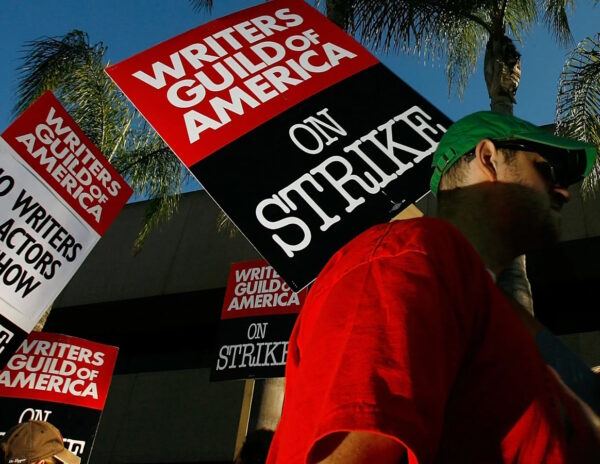
This will be the first time since May 1st that both parties will sit and talk things out. During their last meeting, the talks collapsed, leading the WGA to go on strike, followed by various other organizations.
“The AMPTP, through Carol Lombardini, reached out to the WGA today and requested a meeting this Friday to discuss negotiations,” the union stated in the message sent to members shortly before 8 p.m. PT. “We’ll be back in communication with you sometime after the meeting with further information. As we’ve said before, be wary of rumors. Whenever there is important news to share, you will hear it directly from us.” Ellen Stutzman, the WGA’s chief negotiator, recently informed this to the media outlet.
The AMPTP, which manages negotiations for the studio’s side, recently had some internal meetings in the past couple of days, trying to figure a way out. AMPTP is now approaching Stutzman, and they want to figure a way out to resume negotiations.
Previously, both parties were far apart when it came to addressing the issues, but the recent impact of the strikes by WGA and SAG-AFTRA is creating strong waves. After WGA went on strike, SAG-AFTRA followed them on July 14th, and their amplified efforts are indeed bringing change.
Amidst the speculations, WGA is making it clear that AMPTP will have to agree to negotiate on its full agenda, or the talks won’t be very productive. “We have made it clear that the things we’re asking for are absolutely necessary,” said David Goodman, who is working as co-chair of the negotiating committee. “Until they agree with that premise, there isn’t going to be a conversation that’s going to be fruitful.”
Not only WGA but also SAG-AFTRA is ready to hold talks at any point as the situation is reaching its conclusion.