India has been a place of mystery for the western world since time immemorial that ranged from conquest attempts to spices and gold and now the culture.
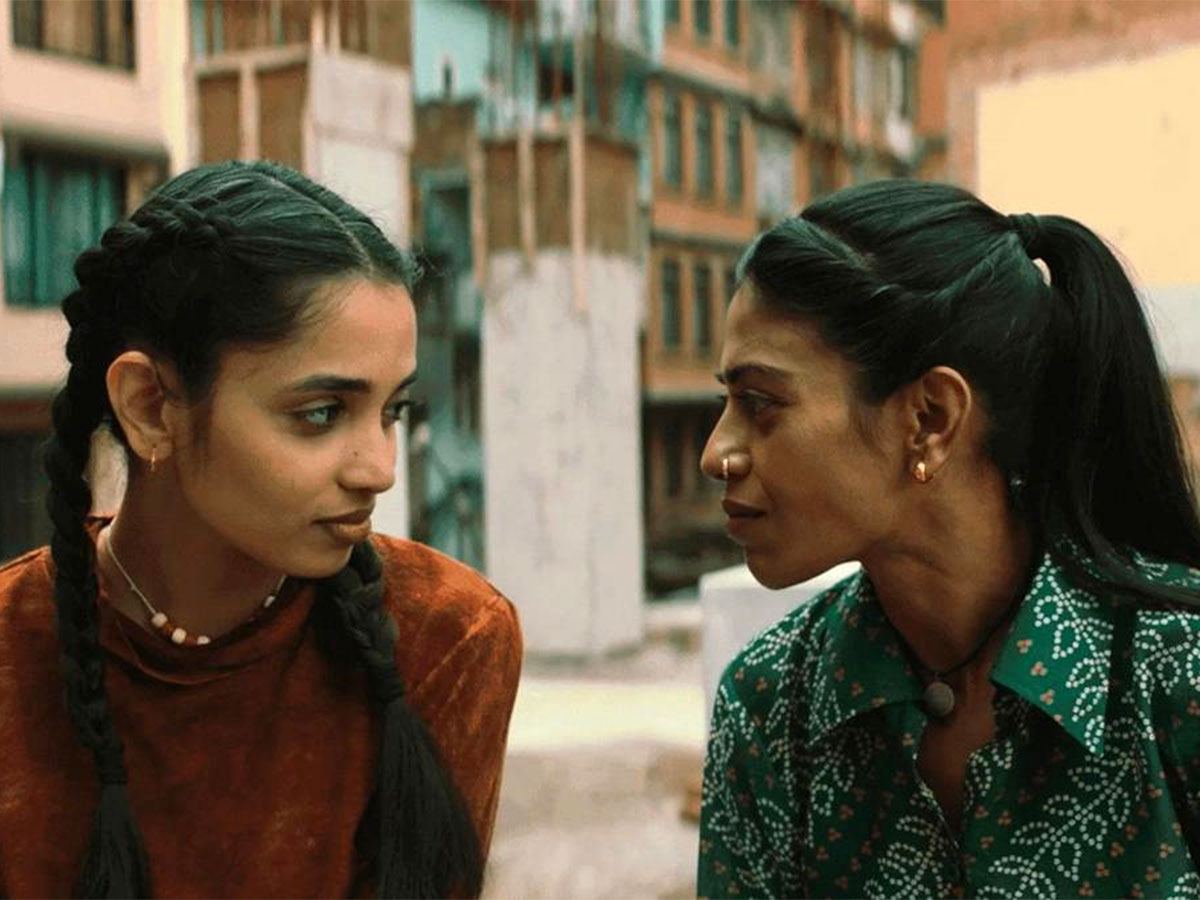
Many have tried to portray India on the big screen, some with better success than others. In another attempt to do so, Bulgarian director, Konstantin Bojanov, made ‘The Shameless’, a movie centred around lesbian love in India.
The story is simple: A sex worker, Renuka, kills a policeman and escapes to northern India, where she falls in love with a seventeen year old Devika. The rest of the movie captures all sorts of struggles and wins they went through trying to keep their love alive.
But, is ‘The Shameless’ just a movie about two women who fell in love? Ofcourse not. Similar to most of the western portrayals of India, this time too, they kept the same old prejudices that might or might not have been a part of the society in yesteryears.
The one that stood out was Devika being a devadassi, a religiously inspired sex-worker. It puts emphasis on the fact that Devika’s family pushed her to be a devadassi inspite of her wanting to be a rapper. Not only that, they looked down on Renuka for being a sex worker.
It is also filled with tons of toxic masculinity which again, might be a part of the society, but to the world outside India, could paint a picture that the entirety of India is like this. The concept of devadassi is a thing of the ancient, non-existent at present, but the director chose to base the entire movie on it.
Some may argue that the contents of the movie come under artistic freedom without any intention of being offensive. But, is it really? Because the creators chose India with specific focus on the points that carry a certain narrative.
As long as the so-called auteurs show their prejudices on screen, their works will never resonate with the locals.