In today’s digital age, it has become very difficult to tell whether the videos we see on social media are real, created with VFX, or generated using AI. Technology has advanced to such a level that even experts sometimes struggle to identify the difference. While this technological growth has benefited filmmakers in many ways, it has also created new challenges for them.
Earlier, when audiences saw stunning visuals on screen, they appreciated the makers by saying, “The VFX work is excellent.” Now the situation has completely changed. If viewers see any impressive visual moment in a film, many immediately assume, “It’s just AI.” This shift in perception has put filmmakers in an uncomfortable position. Directors and actors now feel the need to prove that their work is the result of hard effort, not artificial shortcuts.
Recently, the announcement video of a film featuring superstars Rajinikanth and Kamal Haasan, directed by Nelson, created a huge buzz on social media. Fans felt thrilled to see both legends in the same frame. However, many netizens quickly claimed that the video was created using AI. The negative comments spread rapidly. To clear the confusion, the makers released a making video to prove that they had actually shot the promo in real life. Only then did people begin to accept that it was not AI generated.
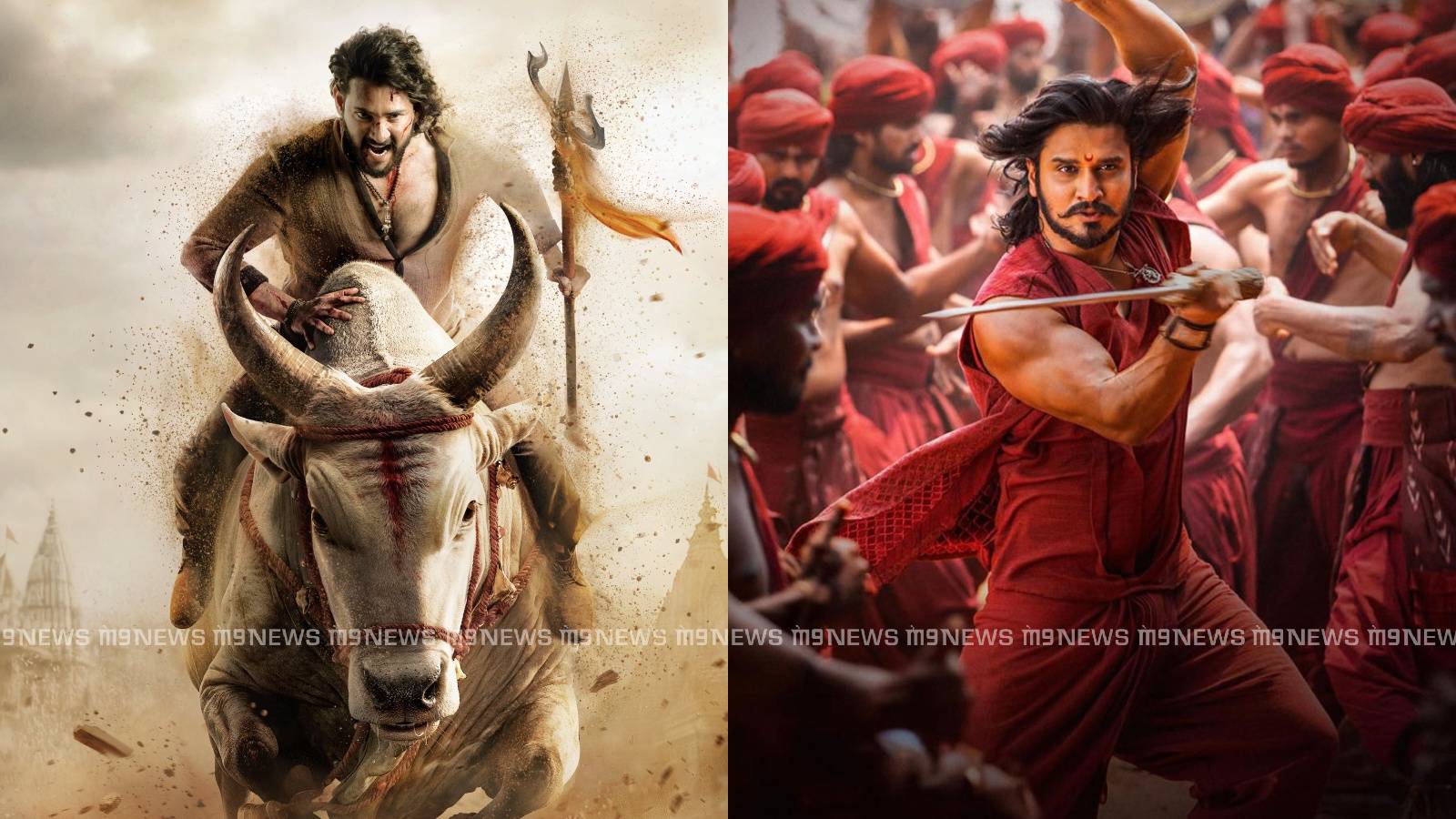
Even SS Rajamouli faced similar speculation regarding the teaser of his film Varanasi. He personally clarified that the visuals were carefully planned and created through detailed graphic work. He expressed disappointment that labeling it as AI would ignore the team’s year and a half of hard work.
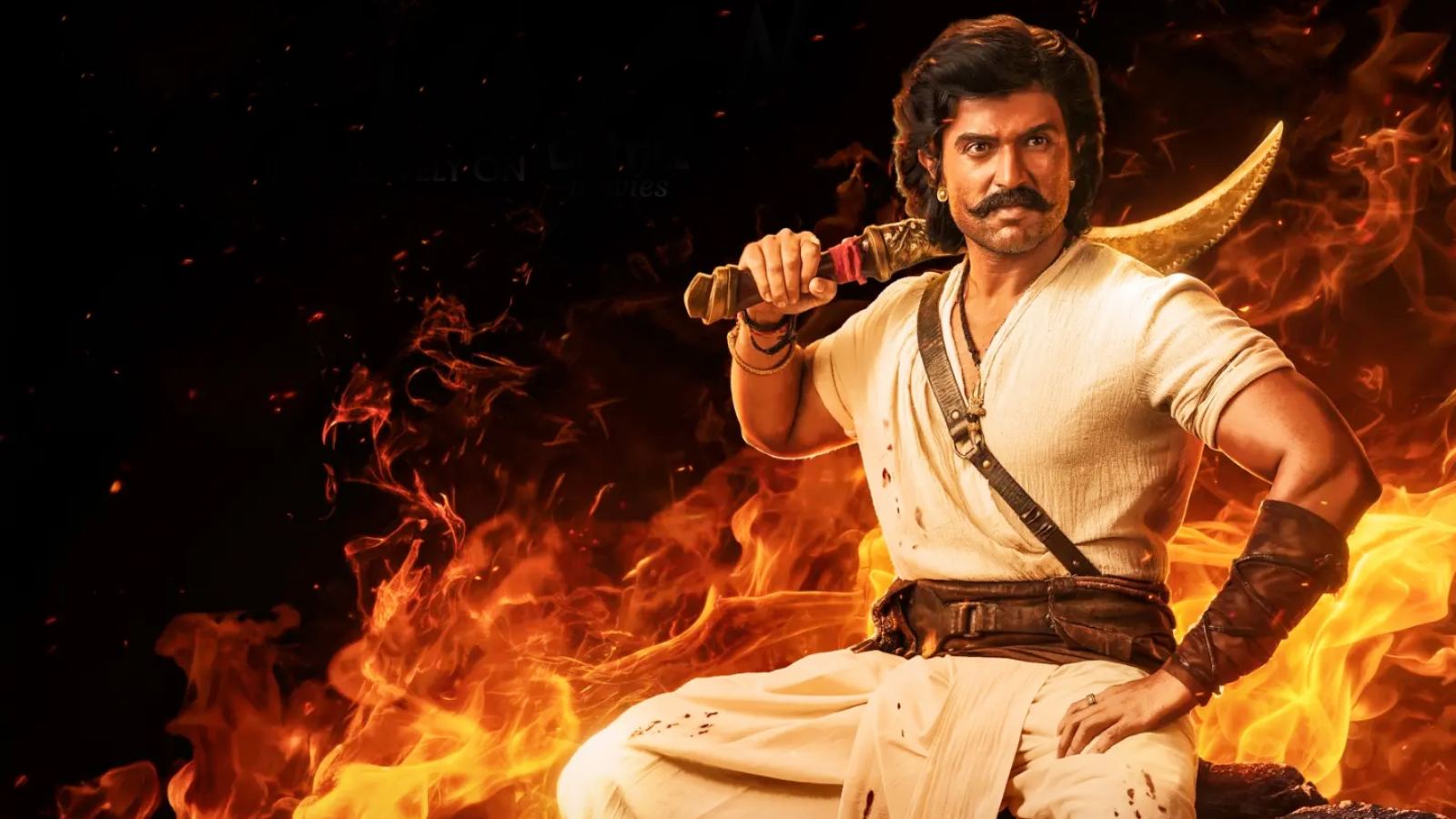
Similarly, actor Nikhil Siddhartha addressed rumors about his film Swayambhu. He clearly stated that the team did not rely on AI shortcuts and that every frame reflects the dedication and effort of hundreds of technicians. These incidents show how rapidly evolving technology has changed audience perception and forced filmmakers to defend the authenticity of their craft.