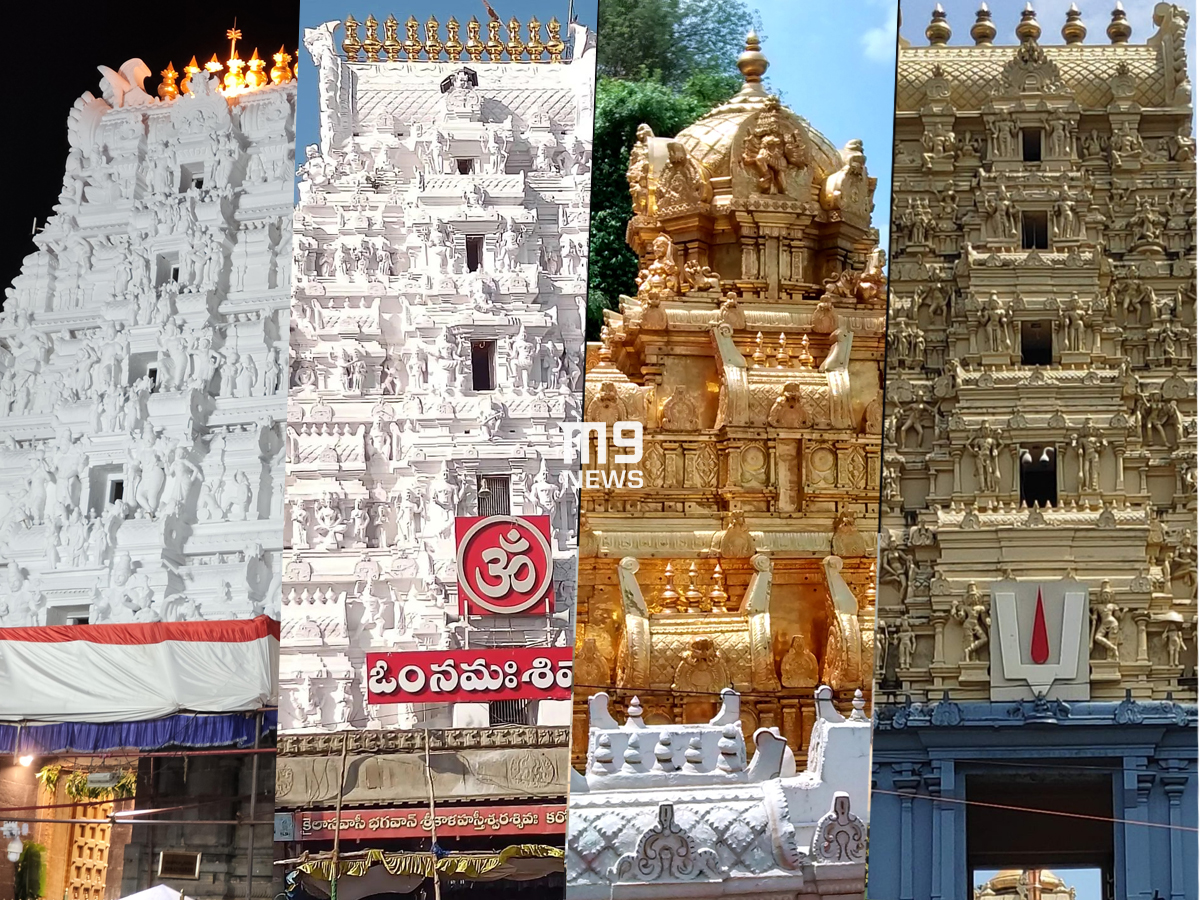
After the bifurcation of Andhra Pradesh, the state has been fortunate to retain some of the most revered temples in the region, such as Tirumala, Kalahasti, Srisailam, Kanaka Durga Temple, Simhachalam, and Annavaram. In light of recent controversies, such as the adulteration of the Tirumala laddu, the new Andhra Pradesh government has shifted its focus to reforming the management of temples across the state.
A key election manifesto promise, now fulfilled, is aimed at reducing political interference in the day-to-day and ritualistic affairs of these temples. The newly issued Government Order (GO) has introduced reforms aimed at granting autonomy to the temples. One of the significant provisions of this order is the formation of a Vedic Committee for each temple.
This committee will be responsible for advising temple management on important aspects, such as the introduction of new services, setting fees, conducting Kalyanotsavams, Yagas, Kumbhabhishekas, and Muhurta timings. Crucially, the committee’s advice will be binding on all officers, including the temple’s Executive Officer (EO), who has been instructed to refrain from interfering in these ritual matters.
Furthermore, in case of disagreements within the committee, the advice of the presiding officers or chief priests, with expertise in the relevant Agama traditions, will be followed. This is aimed at ensuring that the rituals and traditions are respected without undue external influence.
During the YSRCP regime, several issues arose, such as the alleged politicization of temple traditions. One notable incident involved the Mahakumbhabhishekam at the Srisailam temple, which was conducted during Dakshinayanam instead of Uttarayanam, reportedly violating traditional beliefs and hurting the sentiments of devotees.
These new reforms seek to restore and protect the sanctity of Vedic and Agamic traditions, ensuring that the spiritual and cultural integrity of the temples is preserved without political interference.