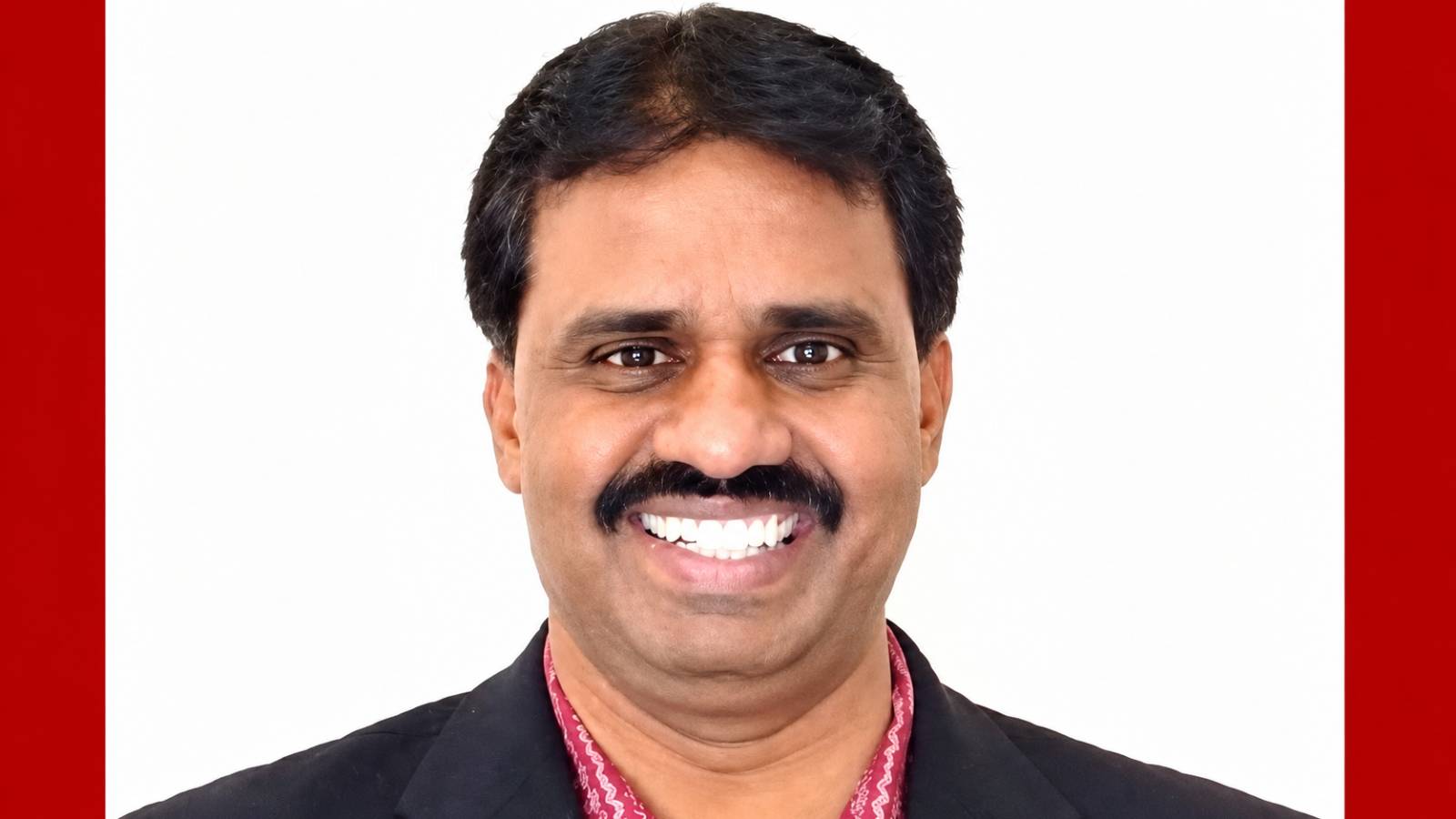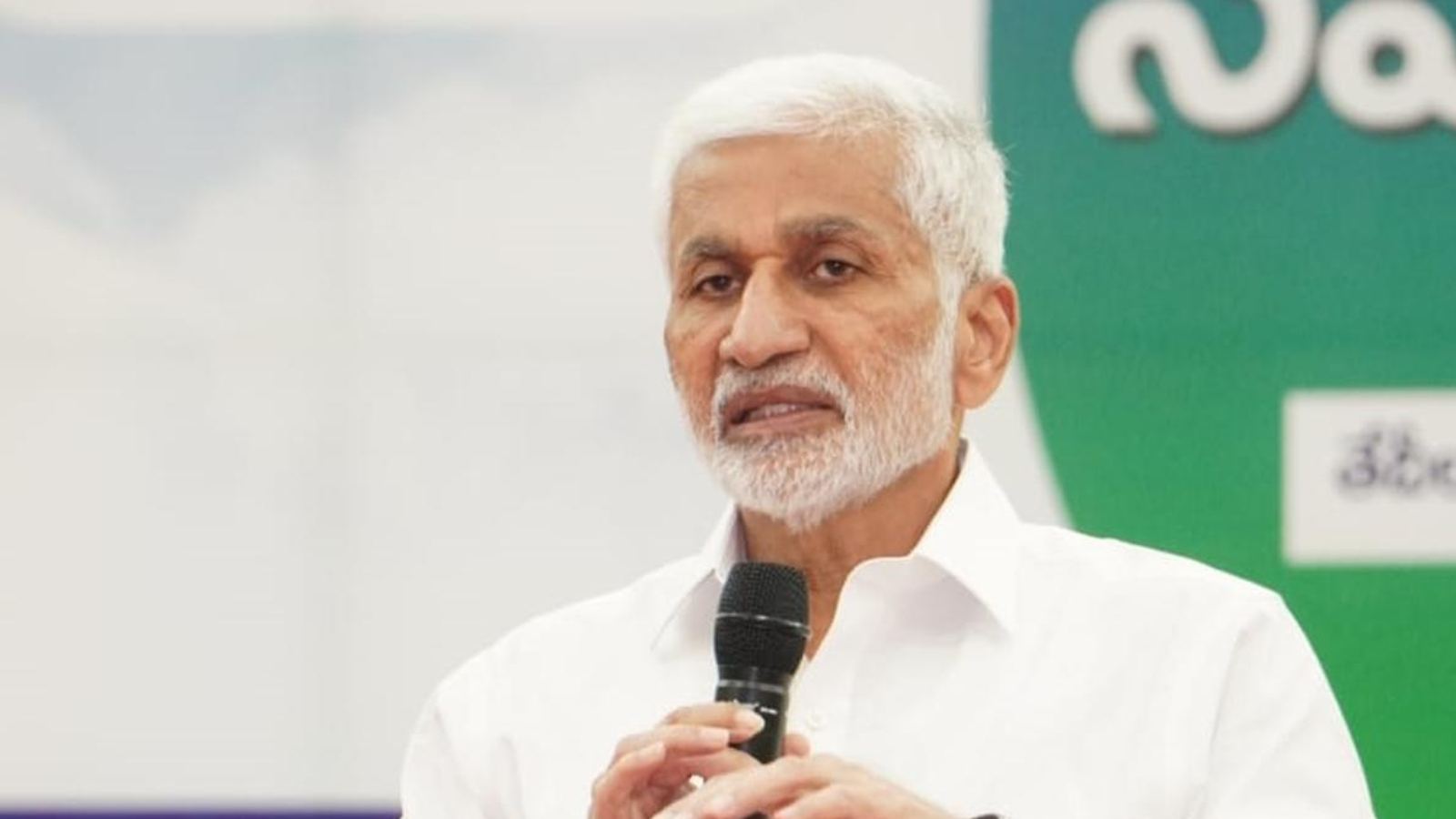
Former Rajya Sabha MP V. Vijayasai Reddy has recently made several strong statements that have shaken up politics in the Telugu states. His latest public comments have started a major debate because they are very different from how he has acted for years.
Taking to social media, the veteran leader launched a fierce attack against actor Prakash Raj and YouTuber Joseph Ravan over alleged remarks against Hindu deities, categorizing such comments as a form of religious terrorism.
However, what truly shocked political observers and long-time insiders is his explicit targeting of conversions within the prominent forward castes, specifically the Reddy and Kamma communities. He alleged that certain families from these communities adopt alternative faiths while strictly holding on to their caste tags to exploit political, financial, and administrative power.
For those who have closely followed the trajectory of undivided Andhra Pradesh and modern regional politics, this sudden ideological pivot feels remarkably unnatural. For decades, Vijayasai Reddy has been recognized not just as a prominent political figure, but as the literal shadow and backbone of the YSR family, dating back to his early association with Y.S. Raja Reddy in 1978.
As a trusted financial adviser, close confidant, and chief strategist, he has been a first-hand witness and architect of the political journeys of both the late Chief Minister Y.S. Rajasekhara Reddy and YSRCP chief Y.S. Jagan Mohan Reddy.
Given that the YSR family itself openly embraces its Christian faith while commanding immense respect and political leadership within the Reddy community, Vijayasai Reddy’s newfound aggression against Christian connections and caste-based conversions is viewed with immense skepticism.
This stark contrast has led political analysts to wonder what is driving such a significant shift in his public stance. Throughout his long career, his political identity was defined by absolute loyalty to a regime that traditionally maintained a highly inclusive, pluralistic approach to religion.
By suddenly pivoting toward an aggressive, hardline stance on religious conversions and calling for extreme legal punishments like life imprisonment for critics of Hinduism, his current rhetoric directly contradicts the very political ecosystem he helped construct and defend for over four decades.
Ultimately, this sudden shift underscores the deeply fluid and unpredictable nature of modern regional politics. Whether this strategy is an independent attempt to realign his personal political future with shifting nationalist sentiments, or a calculated re-branding exercise, the immediate reaction remains one of disbelief.
To the public and seasoned political watchers who know his past role, watching a lifelong shield of the YSR family now wave the banner of anti-conversion politics presents a massive political irony that is incredibly difficult to reconcile.