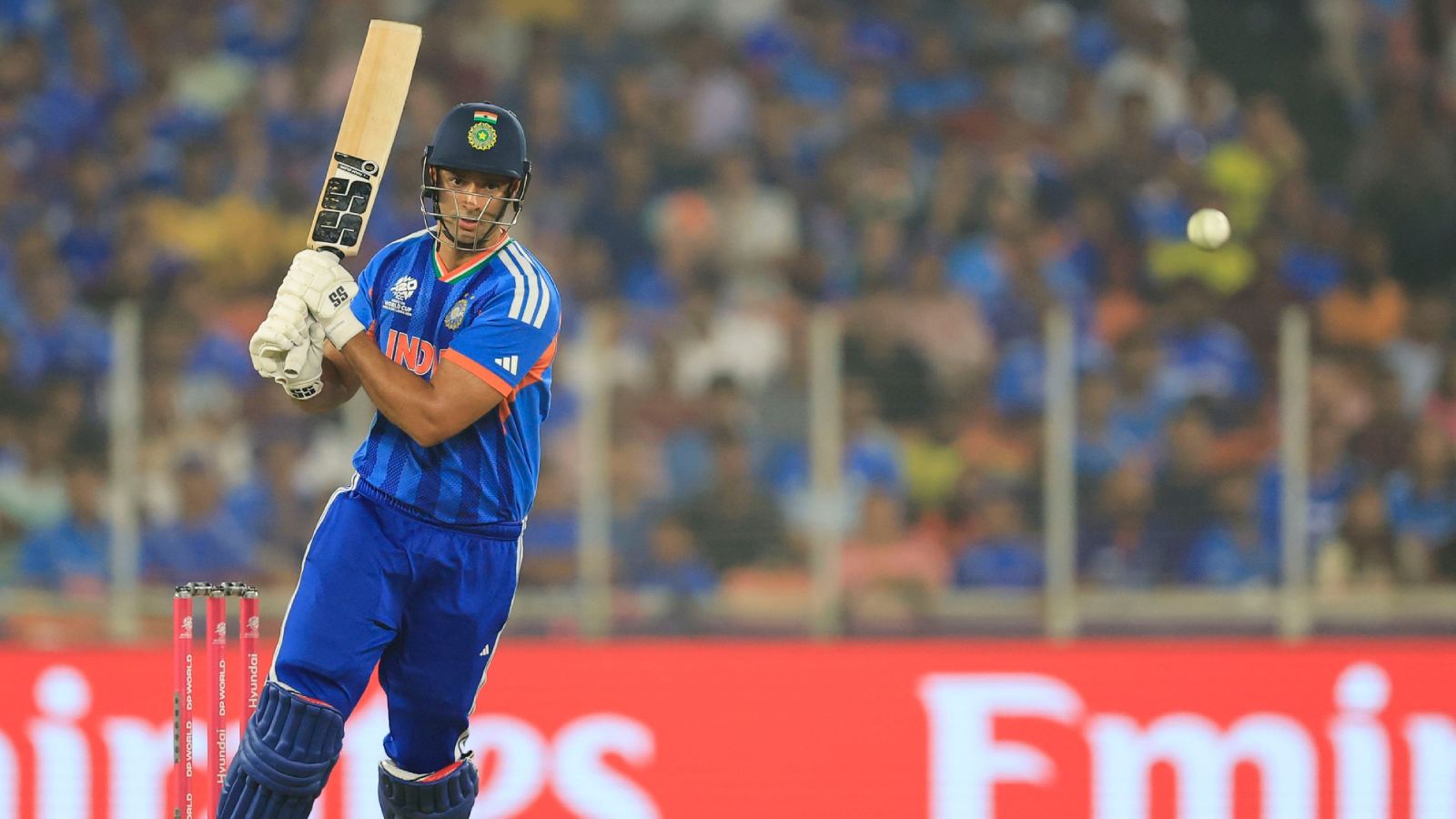
India’s heavy defeat has once again highlighted a major flaw in their batting approach. The most worrying issue is the lack of strike rotation during crucial phases of the innings.
Indian batters are repeatedly searching for boundaries instead of taking easy singles. When the big shots do not come off, the scoring rate drops sharply and pressure starts to build.
As dot balls increase, batters feel forced to attempt risky shots. This often leads to unnecessary wickets and sudden collapses, a pattern that has now become common in recent matches.
The innings against South Africa followed the same trend. India struggled to rotate strike, pressure mounted, and the batting line up failed to recover during the chase.
In T20 cricket, staying stuck at one end can damage the team’s momentum. This becomes even more costly when chasing big targets under pressure.
There was also a sense that India looked slightly too relaxed before the match. While the intent was visible, game awareness was missing at key moments.
The batters failed to adjust their approach according to the situation. This lack of flexibility ultimately proved expensive.
This defeat could still turn into a learning moment for India. Losses often remind teams of the importance of basics like rotating strike and building partnerships.
If India correct this flaw and change their approach, the setback could help them perform better in the remaining matches of the T20 World Cup.