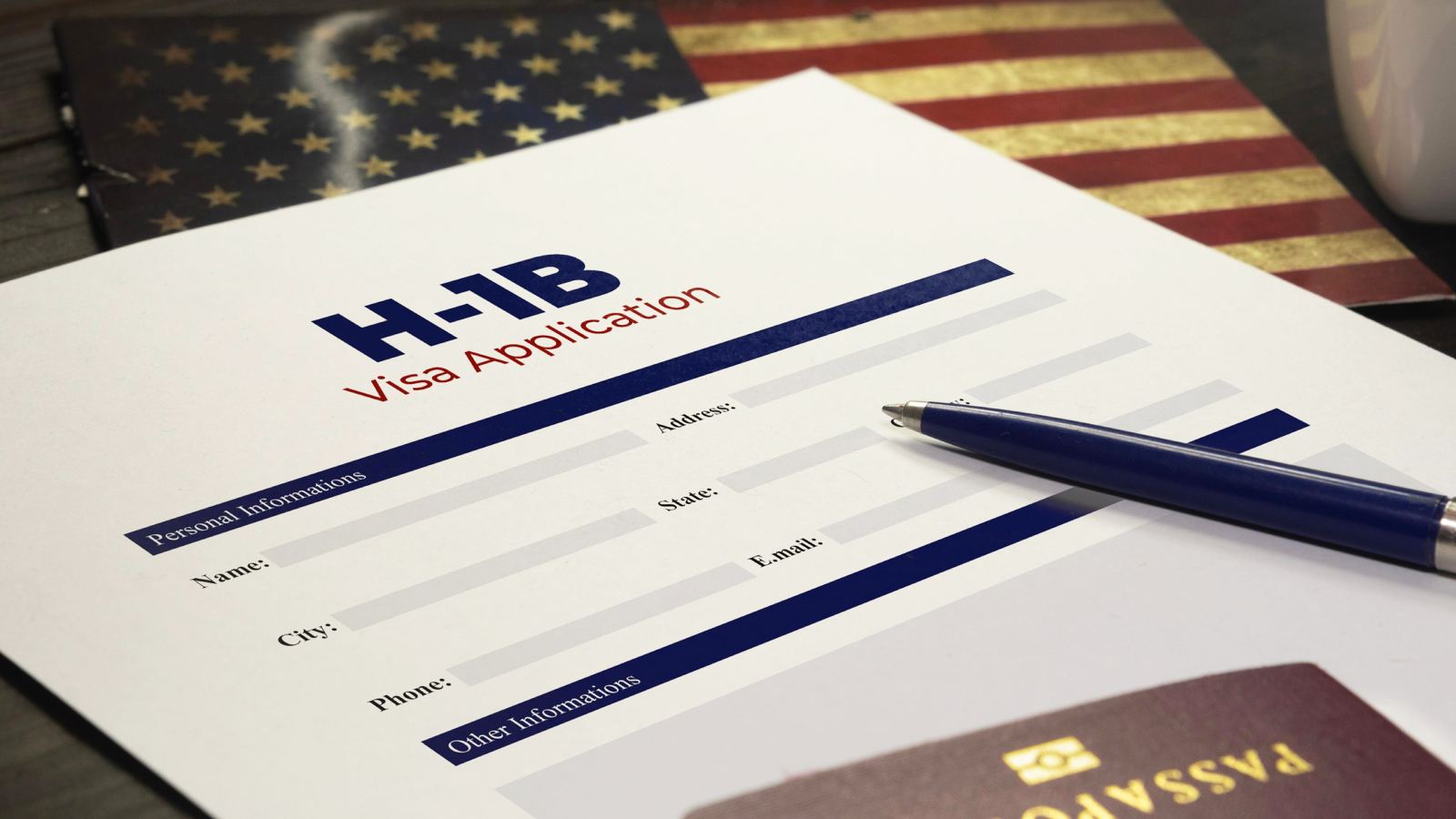
The upcoming month of August is set to bring a significant shift for Indian professionals, students, and IT firms eyeing opportunities in the United States.
According to an official regulatory roadmap, the US Department of Homeland Security (DHS) and the Department of Labor are preparing to roll out stringent modifications to H-1B, L-1, and F-1 student visas, along with employment-based Green Card processing.
Designed to tighten scrutiny and prioritize local labor protection, these impending updates are poised to increase operational costs and administrative compliance across the board.
For tech professionals and consulting firms, the proposed H-1B structural revisions introduce direct hurdles. The DHS aims to tighten rules surrounding third-party client placements, an operational model heavily utilized by Indian IT outsourcing majors.
Additionally, exemptions currently enjoyed by certain universities and research organizations regarding the H-1B cap could be scaled back. Financially, the government intends to expand the supplemental fees levied on larger firms (those with over 50 employees where more than 50% hold H-1B or L-1 status) to cover visa extensions as well, rather than just initial petitions or employer switches as seen previously.
Furthermore, wage level restructuring under PERM labor certifications could see entry-level wage requirements jump from the 17th percentile to the 34th percentile, drastically increasing the minimum salary threshold required to sponsor foreign talent.
International students and their dependent spouses face similar regulatory tightening. Moving away from the long-standing “Duration of Status” policy-which permitted F-1 students to remain in the US for the entirety of their course completion, the new rule proposes issuing student visas with fixed, strict timelines. If a student fails to complete their degree within that specified window, they must formally apply for an extension.
Additionally, restrictions on Optional Practical Training (OPT) and Curricular Practical Training (CPT) are slated for tightening by early 2027.
For dependent spouses holding H-4 visas, the convenience of automatic employment authorization document (EAD) extensions is being replaced with a strict mandatory renewal application process, risking potential employment gaps due to routine government processing delays.