The Telugu film industry has spent the last few months discussing one major concern: declining theatrical footfalls. At movie events, press meets, and promotional campaigns, producers, directors, and actors have repeatedly expressed concern that audiences are no longer coming to theatres in the same numbers as before.
However, one can’t ignore the irony here. While the industry worries about falling footfalls, one of its first demands before the release of a major star film is often a ticket price hike, which can further discourage casual moviegoers.
Movie ticket prices in Andhra Pradesh and Telangana are already among the highest in India. Despite that, additional hikes for big-budget and star-driven films have become routine. Producers argue that premium pricing is necessary to recover massive investments during the opening weekend.
Andhra Pradesh has generally been more flexible in approving ticket price revisions. Telangana, however, has become a far more complicated environment for such requests in recent years.
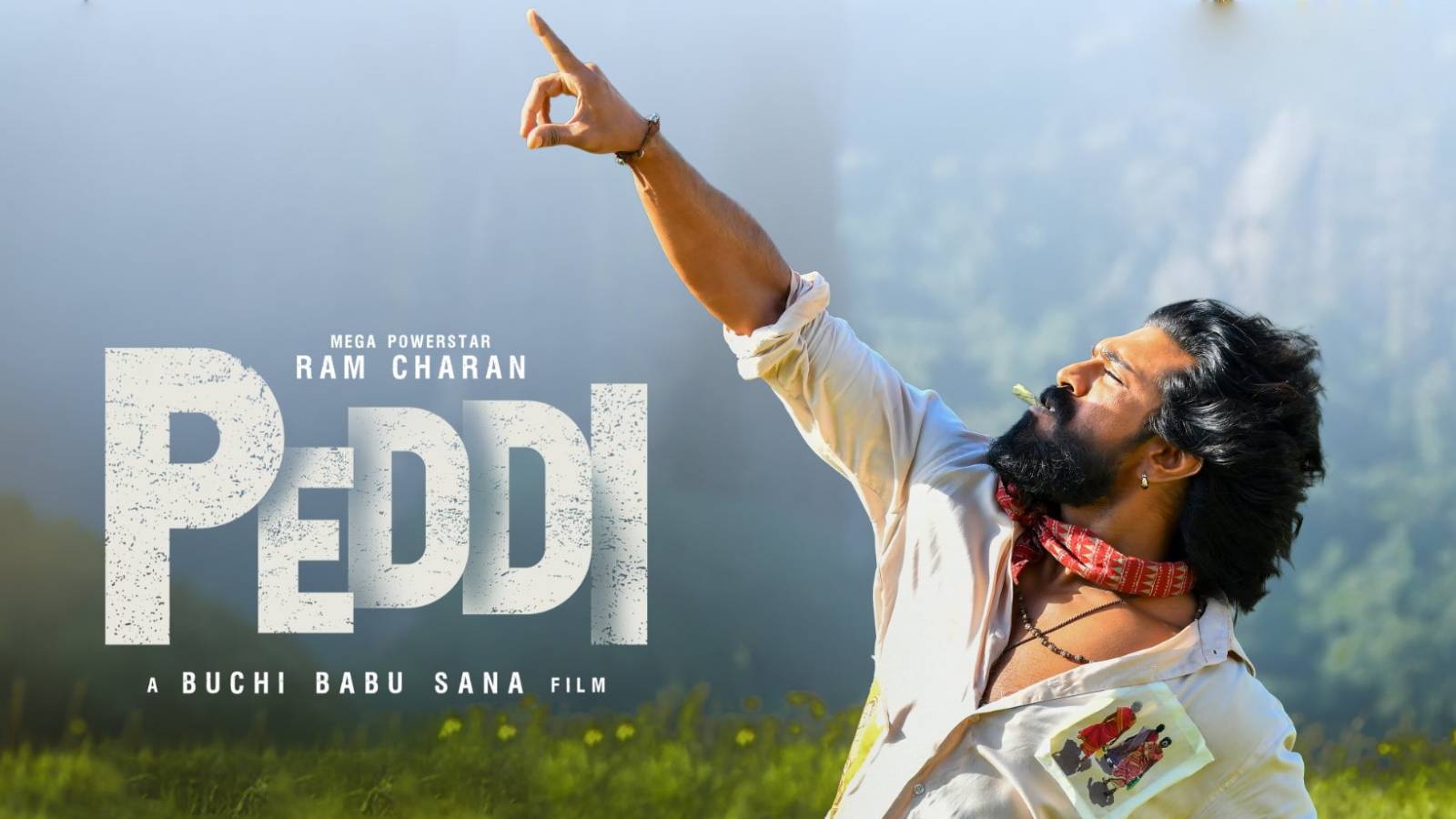
Many industry insiders believe the situation changed significantly after Allu Arjun’s Pushpa 2 Sandhya Theatre tragedy. Since then, the Telangana government has reportedly become more cautious about benefit shows, special permissions, and ticket pricing. As a result, some Ram Charan fans feel Allu Arjun is indirectly responsible for Peddi not receiving ticket hikes, though that remains more a fan perception than an established industry view.
The issue became even more complicated after legal challenges against ticket hikes. A major turning point reportedly came during the release of Mana Shankara Vara Prasad Garu, when a court case led to stricter guidelines for price revisions.
According to industry discussions, the court observed that producers seeking higher ticket prices must apply well in advance and follow a formal approval process through the government. This created a significant hurdle, as most producers traditionally seek revisions much closer to release.
Since that ruling, no major film has reportedly succeeded in obtaining a ticket hike in Telangana. Earlier this year, the makers of Ustaad Bhagat Singh reportedly tried but were unsuccessful. Now Peddi makers also explored the option, but legal complications surrounding existing court orders reportedly prevented any progress.
This has triggered a broader debate within the industry. A growing section of producers and trade analysts believes the current approach is unsustainable. Instead of seeking special permissions for every major release, they argue that the industry needs a clear, long-term policy that is legally sound.
The present system creates uncertainty before every big release. Producers spend time pursuing approvals that may never arrive, while exhibitors and distributors remain unsure about pricing until the final stages.
Interestingly, the Revanth Reddy government appears to be maintaining a largely neutral position. According to industry observers, the government is not openly opposing ticket hikes, but it is also not actively intervening to overcome the legal hurdles.
As a result, the biggest challenge today is not political resistance but the legal framework itself.
Many believe the only lasting solution is for the Telugu film industry and the government to work together on a transparent policy that clearly defines when ticket hikes are allowed, how applications should be submitted, and under what circumstances approvals can be granted.
The debate also raises a larger question. At a time when audiences are becoming increasingly selective about spending money on movie tickets, is constantly seeking higher prices the right strategy? Exhibitors argue that affordable pricing could improve occupancy and bring families back to theatres. Producers counter that rising budgets make premium pricing unavoidable.
For now, that debate remains unresolved.