Incidents on social media often move faster than verified facts. Online platforms have become powerful spaces where experiences and accusations spread instantly. While this has amplified many voices, it has also raised concerns about responsibility and real world consequences.
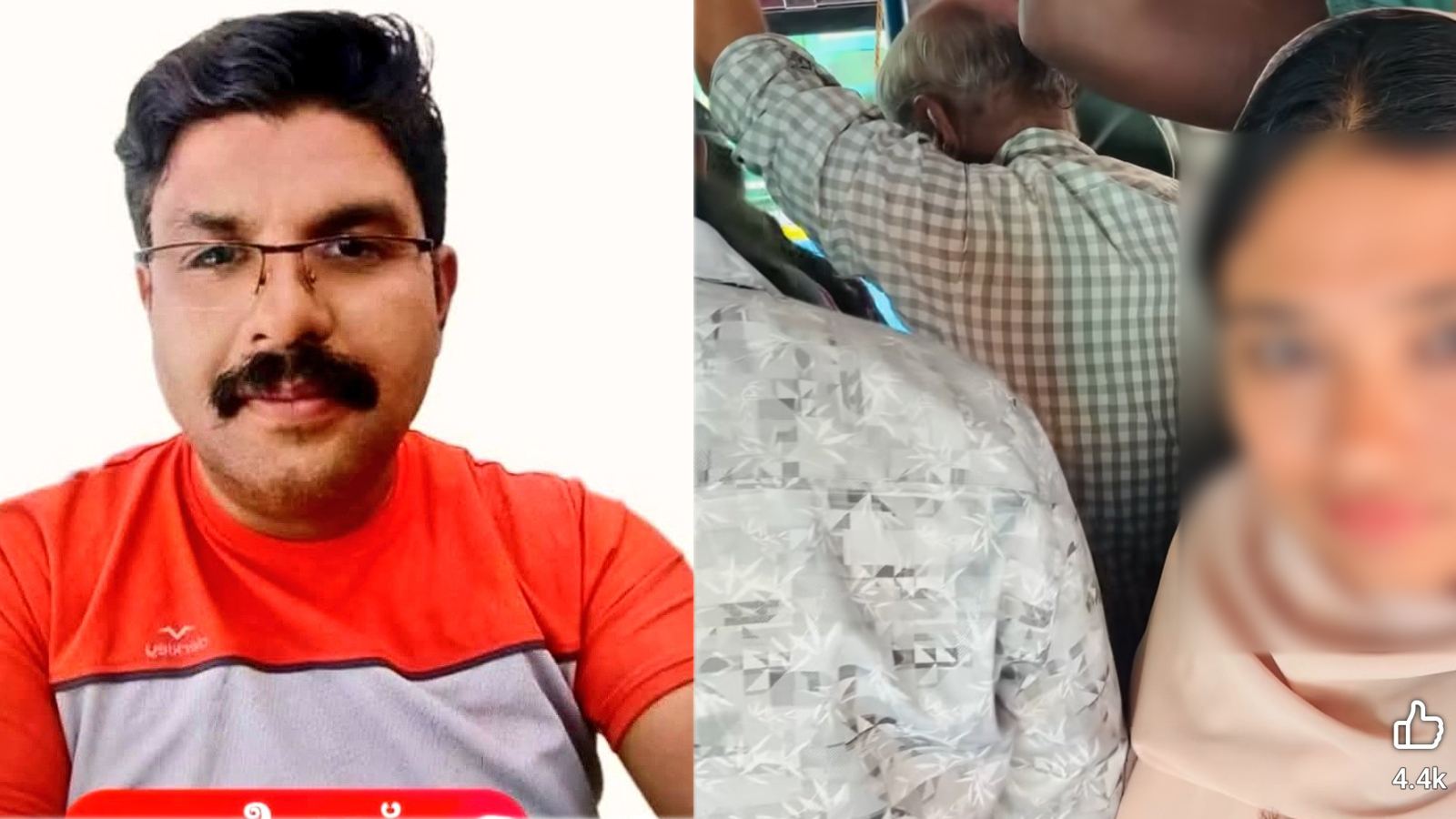
A disturbing case from Kerala has brought these issues into focus. Journalist Deepika Narayan Bhardwaj shared details of a 41 year old man named Deepak U who allegedly died by suicide after a video went viral online.
The video was uploaded by a woman named Shimjitha Musthafa. It allegedly accused Deepak U of inappropriate touching in a crowded bus. As the clip spread rapidly, he reportedly faced intense public scrutiny and social pressure.
According to his family, the allegation was false. They claimed the video was created for online attention and views. The family has maintained that Deepak U was innocent and wrongly targeted through social media outrage.
What makes the case especially troubling is the irreversible outcome before any formal investigation. Viral accusations often turn into public judgments. This leaves little space for due process or legal verification.
At the same time, genuine complaints of harassment must be taken seriously. Such matters need to be addressed through proper legal channels. Justice requires both empathy for complainants and fairness for the accused.
The incident highlights the need for caution in the digital age. Behind every viral post is a real person. Unverified claims can cause irreversible harm.
Social media platforms, institutions, and users must act responsibly. A balance is needed between listening to allegations and ensuring fairness. Justice should never come at the cost of another life.
India beat West Indies by 14 runs in the third T20I at the Holkar Stadium…
Rajinikanth's highly anticipated sequel Jailer 2 directed by Nelson Dilipkumar is all set to hit…
