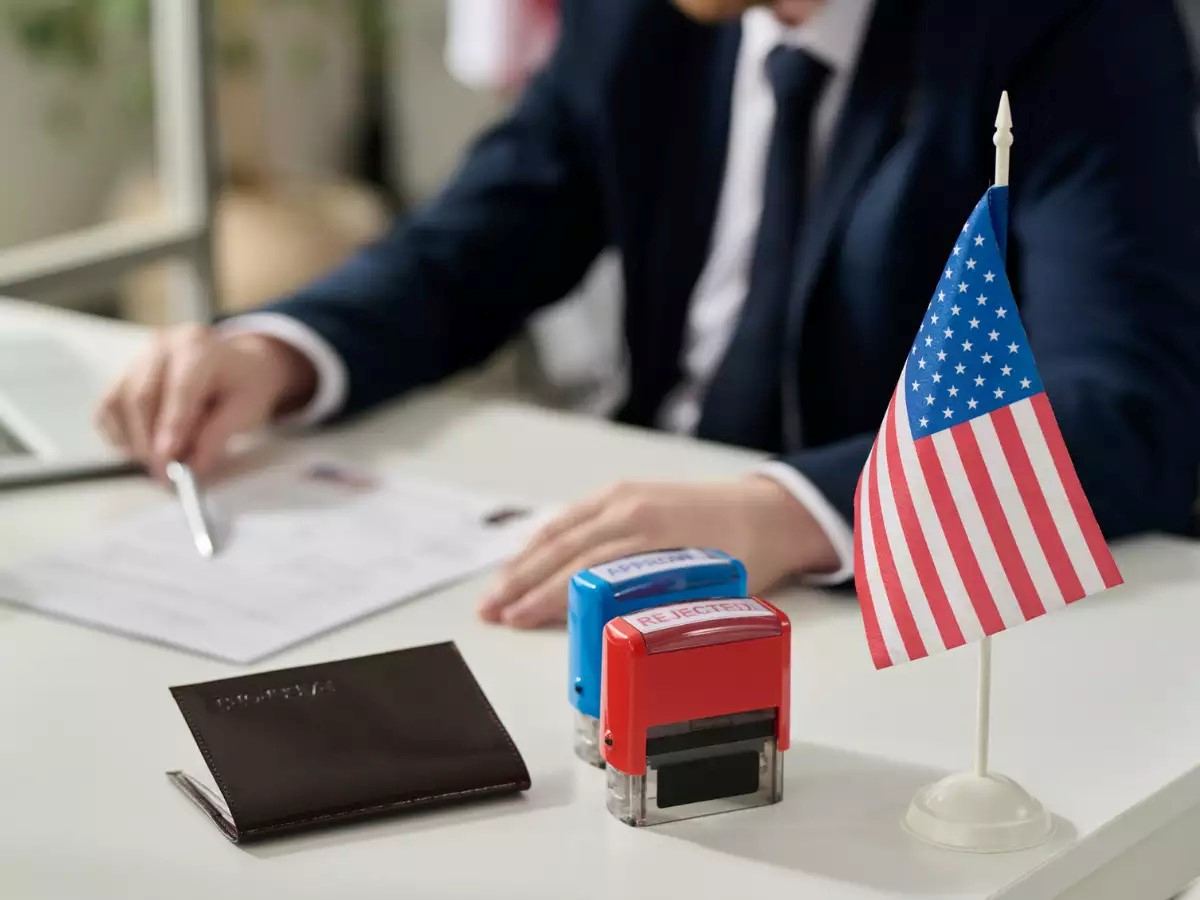
A U.S.-based tech employee received an unexpected shock when his H-1B visa was approved for just 1.5 years instead of the standard 3 years. The decision came without any clear explanation, even though he recently transitioned from an F-1 to an H-1B visa in October 2024. His visa approval ends in May 2026, and the newly issued visa stamp also reflects this shortened duration.
The individual’s passport is valid until 2030, and his Labor Condition Application (LCA) shows a valid job term through May 2027. Despite this, USCIS granted a much shorter approval, causing confusion. Speculation online suggests that the employer may have inadvertently requested the shorter duration, either through an internal document or due to a cautious legal estimate.
Typically, such shortened H-1B terms occur with consulting firms that submit petitions based on short client projects. However, in this case, the employee works directly at a Big Tech company, not on a temporary contract. The bigger issue lies in the lack of transparency—employees usually never see the paperwork their HR or legal team submits to USCIS.
Fortunately, the techie still retains the full six-year H-1B cap and can apply for an extension later to reclaim the unused time. But the process becomes more tedious with each renewal. Experts advise all H-1B applicants to confirm the requested job dates with their employer and consult an immigration lawyer to avoid unknowingly losing years of eligibility.