India’s rapid urbanization has improved access and mobility, but it has also exposed serious safety gaps, especially for young women travelling alone in cities. Everyday movement now carries risks that often go unnoticed until a tragedy brings them into focus.
Ride hailing apps promise ease and speed, yet recent incidents show how fragile that safety net can be. When systems fail, routine trips can quickly turn into life altering experiences with little warning or protection.
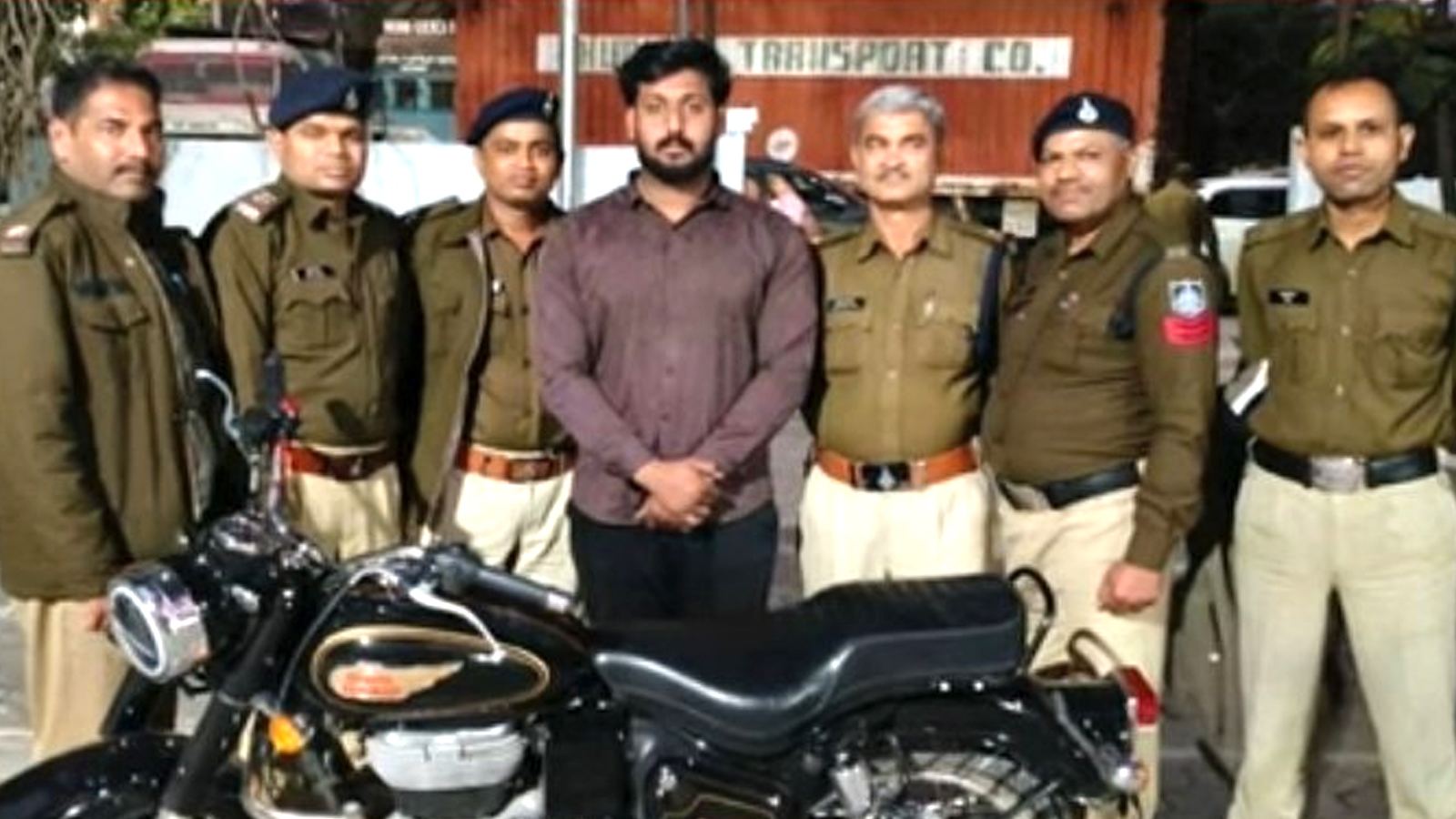
In Indore, a disturbing incident occurred on January 26 when a university student’s Rapido ride was cancelled mid journey. Left stranded, she accepted a lift from 23-year-old Tushar Verma, who instead drove her to an isolated location and raped her.
Police acted swiftly after CCTV footage helped identify the accused. The case spread rapidly on social media after being shared by @Delhiite_, drawing widespread anger and crossing 47,000 views within a short span of time.
Such incidents highlight deeper flaws in app based transport services. Ride cancellations are frequent and often leave users exposed without verified alternatives, increasing dependence on unsafe choices during vulnerable moments.
Accepting lifts from strangers reflects the lack of structured safety responses in urban transport. Stronger background checks, geo fenced monitoring, and rapid response teams are essential in high risk areas to prevent similar crimes.
Blaming the victim only diverts attention from systemic failures. Apps like Rapido need panic buttons directly linked to police, while cities must invest in better lighting and safer public infrastructure for late night commuters.
Awareness campaigns can help students and women recognise red flags such as sudden cancellations or unsolicited offers. The Indore case is not isolated. Until technology and authorities work together, urban mobility will remain a gamble.