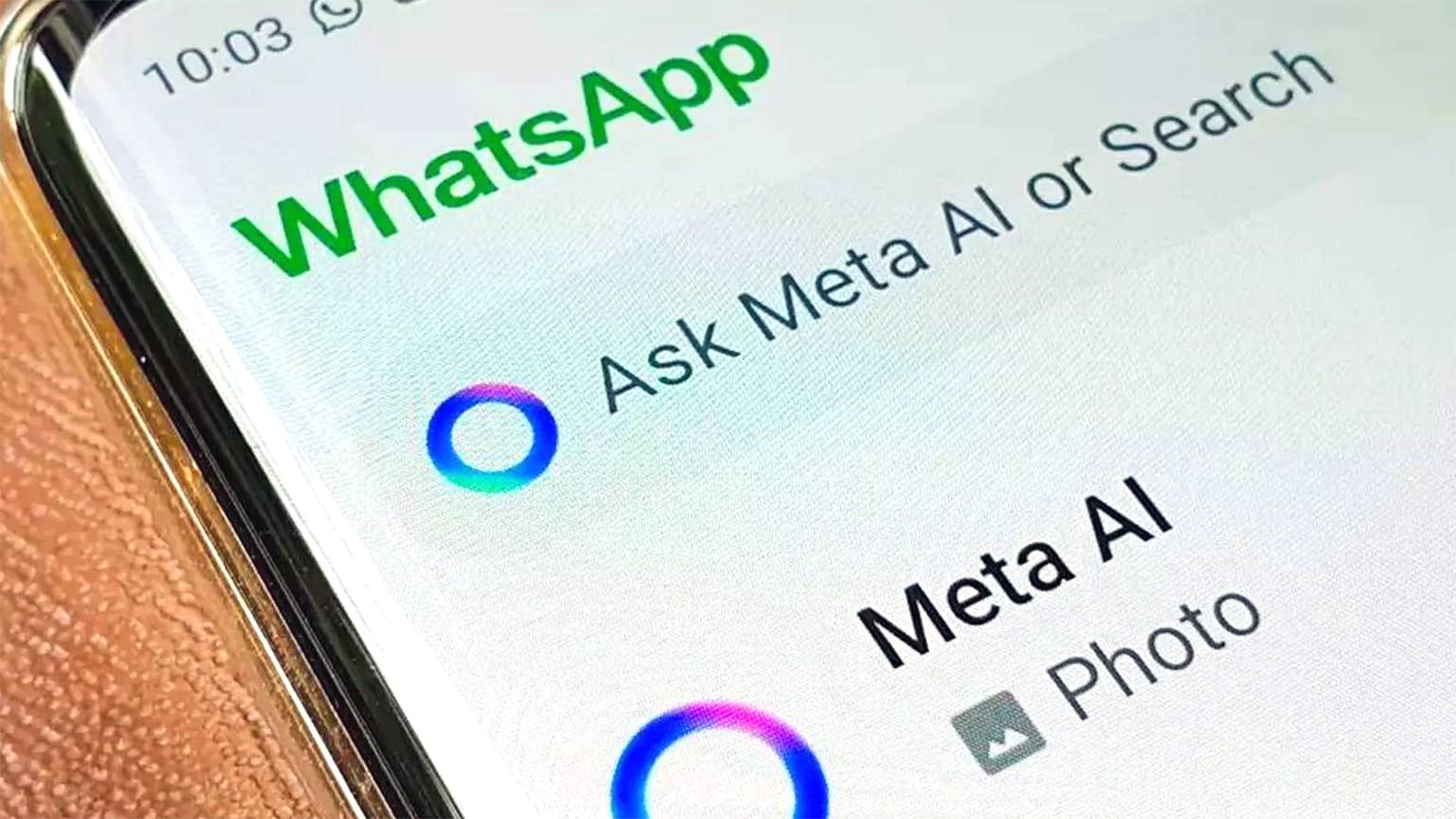
The Supreme Court’s recent ruling against WhatsApp’s data-sharing with Meta marks a major step in India’s digital privacy landscape. The court made it clear, “We will NOT permit you to share even a single piece of data,” signaling strong protection for users.
In today’s world, personal data powers targeted ads, AI models, and digital services. Protecting it is more than a legal formality; it builds trust between users and technology providers. Without safeguards, users remain vulnerable to overreach and misuse.
The ruling reflects WhatsApp’s long-standing push to link user information across its platforms. Similar controversies arose in 2021, when backlash over its privacy policy in India forced the company to pause updates amid government objections and public outcry.
Unlike India, Europe benefits from GDPR, where strict laws and heavy fines ensure companies enforce privacy rules. As Anshul Saxena notes, WhatsApp never applied the same data-sharing changes in Europe because legal frameworks there protect citizens effectively.
India still lacks a comprehensive Personal Data Protection law. Citizens rely on ad-hoc court rulings or government pushback. Today’s win against WhatsApp sets a precedent, but tomorrow could bring new challenges from apps like Instagram or emerging platforms.
NDTV reports highlight the Supreme Court’s focus on user consent and data sovereignty. Legal clarity and a strong PDP law are critical for standardising protections, preventing corporate overreach, and aligning India with international privacy norms.
Judicial interventions alone are not enough. A structured law would provide sustainable digital security, protect citizens’ rights, and support innovation without sacrificing privacy. Lawmakers now face urgent pressure to act decisively.